Coronavirus in Croatia

Coronavirus in Croatia

The world’s a very strange place at the moment due to the Coronavirus outbreak. It doesn’t seem like anyone is unaffected by the virus – whether you’ve actually fallen ill yourself, are under quarantine or self-isolation, have had travel (or other) plans cancelled or are perhaps merely inundated with the latest news on the virus coming in every day. For those that are interested in how the outbreak is affecting Croatia – perhaps you’ve had a holiday booked to the country for later this year – we thought we’d bring together some of the latest information on coronavirus in Croatia. We will also take at some of the best sources for tracking the latest news on how the virus is affecting the country.

The New York Times published a very interesting article on how Croatia and Greece have coped with the pandemic, perhaps better than some other nations, and why: Europe’s Battle-Hardened Nations Show Resilience in Virus Fight (10th May 2020).

Coronavirus in Croatia

Newest update We now have a new post detailing the latest events – Coronavirus Situation in Croatia – Autumn Update.

Coronavirus in Croatia – stats

Newest update Please see Coronavirus Situation in Croatia – Autumn Update for all the latest stats. We will no longer be updating this post.

Update We obviously haven’t been updating these coronavirus statistics that much over the past few months, so it’s about time we did. As with many other countries, case numbers have risen and fallen over the weeks and months and at the moment things seem to be rising again in Croatia. During the week beginning 5th October 2020, there were new record daily case totals posted – the most being on 8th October when 542 new cases were announced. As of today, 12th October 2020, there are presently 2,712 active cases in the country. Sadly, there have been 327 deaths. Most cases are currently located in the City of Zagreb (781 active cases), Split-Dalmatia county (270 active cases), followed by Osijek-Baranja county (199 active cases). All stats related to cases can be found on the Koronavirus.hr website (in English) which now also shows active cases by county. The CroatiaCovidInfo website also shows active cases per 100,000 by region and maps out hotspots (or not).

Updated Since our last update, new cases have remained relatively stable (between 50 to 100 each day), with active cases falling…until 13th August when cases rose sharply again. On that day, a record 180 new cases were recorded, which was surpassed the following day when 208 new cases were announced. Since then, around 150-200 (or just over) new cases have been announced each day. As of 19th August, there have been 7,074 coronavirus cases recorded in total in Croatia with 219 new cases (a new record) announced today. There are presently 1,520 active cases in the country. Sadly, there have been 168 deaths. The majority of active cases are currently located in the City of Zagreb (389 cases), Split-Dalmatia county (363 cases), followed by Osijek-Baranja county (90 cases).

Updated As of 29th July, there have been 4,993 coronavirus cases recorded in total in Croatia with 71 new cases announced today. There are presently 753 active cases in the country. Sadly, 141 people have died. The majority of active cases are in Vukovar-Srijem county (178 cases), the city of Zagreb (133 cases), followed by Split-Dalmatia county (112 cases).

Update As of 21st July, there have been 4,422 coronavirus cases recorded in total in Croatia with 49 new cases announced today. There are presently 1,150 active cases in the country. Sadly, 123 people have died. The majority of active cases are in the city of Zagreb (259 cases), followed by Vukovar-Srijem county (158 cases) and Osijek-Baranja county (142). (These two counties are in eastern Croatia, by the border with Serbia.)

Updated As of 13th July, there have been 3,775 coronavirus cases recorded in total in Croatia with 53 new cases announced today. There are presently 1,142 active cases in the country. Sadly, 119 people have died. Unfortunately, Croatia achieved a record number of new cases in one day on 10th July – 116 – which was then beaten the following day when 140 new cases were recorded. The majority of active cases are in the city of Zagreb (363 cases), followed by Osijek-Baranja county (175) and then Split-Dalmatia county (96). All stats related to cases can be found on the Koronavirus.hr website (in English) which now also shows active cases by county.

Updated In the last week or so, there has unfortunately been an increase in cases in Croatia. (As you can see, we in fact stopped updating as for several weeks there were often zero or only one new case a day.) As of 1st July, there have been 2,831 coronavirus cases recorded in Croatia, with 54 new cases today. In total, there have sadly been 108 deaths. There are currently 568 active cases in Croatia, whilst 2,155 people in the country have recovered.

Updated As of 5th June, there have been 2,247 coronavirus cases recorded in Croatia. In total, there have sadly been 103 deaths. As you can see since the last update ten days ago, there have been only three new cases but two more deaths.. There are currently only 31 active cases in Croatia, which means 2,113 people in the country have recovered.

Updated As of 27th May, there have been 2,244 coronavirus cases recorded in Croatia. In total, there have sadly been 101 deaths. 2,047 people across Croatia have recovered. For the third day in a row there have been no new recorded cases; in the last five days, there has been only one new case of coronavirus in Croatia. There are currently 96 active cases in Croatia.

Updated As of 21st May, there have been 2,237 coronavirus cases recorded in Croatia. In total, there have sadly been 97 deaths. 1,978 people across Croatia have recovered.

Updated As of 19th May, there have been 2,232 coronavirus cases recorded in Croatia. In total, there have sadly been 96 deaths. 1,967 people across Croatia have recovered.

Updated As of 15th May, there have been 2,222 coronavirus cases recorded in Croatia. In total, there have sadly been 95 deaths. 1,869 people across Croatia have recovered. Today, 15th May, only one new case in the whole of Croatia was reported.

Updated As of 10th May, there have been 2,196 coronavirus cases recorded in Croatia. In total, there have sadly been 91 deaths. 1,784 people across Croatia have recovered.

Updated As of 7th May, there have been 2,125 coronavirus cases recorded in Croatia. In the last six days (2nd to 7th May inclusive), there have been 3, 8, 5, 11, 7 and 6 new cases announced on those six days – so you can really see that the number of new cases each day is really slowing down. In total, there have sadly been 86 deaths. 1,641 people across Croatia have recovered.

Updated As of 1st May, there have been 2,085 coronavirus cases recorded in Croatia. In the last five days (Monday 27th April to 1st May inclusive), there have been 9, 8, 15, 14 and 9 new cases announced on those five days – so new case numbers are now quite low. (The most ever announced in one day was 96 on 1st April.) In total, there have sadly been 75 deaths. 1,421 people across Croatia have recovered.

Updated As of 24th April, there have been 2,009 coronavirus cases recorded in Croatia. There have been, sadly, 51 deaths. The two most affected counties in Croatia continue to be the city of Zagreb (459 cases) and Split-Dalmatia (454 cases). The next most affected county is Krapina-Zagorje county with 130 cases. 982 people across Croatia have recovered.

Updated As of 20th April, there are 1,881 coronavirus cases in Croatia. There have been, sadly, 47 deaths. The two most affected counties in Croatia are still the city of Zagreb (450 cases) and Split-Dalmatia (409 cases). The next two most affected counties are Zagreb Country and Krapina-Zagorje county, which both have 124 cases. 771 people across Croatia have recovered. The rate of new infections in Croatia is certainly slowing down – there were only 10 new cases recorded since the day before.

Update As of 14th April, there are 1,650 coronavirus cases in Croatia. There have been, sadly, 31 deaths. The two most affected counties in Croatia – by far – are still the city of Zagreb (418 cases) and Split-Dalmatia (250 cases). Zagreb Country is still the third most affected county with 114 cases. 415 people (almost 200 more since our last update) across Croatia have recovered.

Updated As of 9th April, there are 1,407 coronavirus cases in Croatia with, sadly, 20 deaths. The two most affected counties in Croatia – by far – are still the city of Zagreb (382 cases) and Split-Dalmatia (246 cases). Zagreb Country (which is different to the city; it is the county that ‘surrounds’ the city) is now third with 102 cases. 219 people across Croatia have recovered.

Updated As of 6th April, there are 1,222 coronavirus cases in Croatia and, sadly, there have been 16 deaths. The two most affected counties in Croatia continue to be the city of Zagreb (346 cases) and Split-Dalmatia (181 cases); Krapina-Zagorje county (north of Zagreb) is now third with 80 cases. 130 people across Croatia have recovered.

Updated As of 2nd April, there are now 1,011 coronavirus cases in Croatia and there have been 7 deaths. Coronavirus cases now exist in all of Croatia’s counties; by far the most cases – 279 – have been in the city of Zagreb, followed by 143 in Split-Dalmatia county and 73 in Istria. 88 people across Croatia have recovered.

Updated As of 30th March, there are now 713 coronavirus cases in Croatia and 6 deaths. There are still 2 counties in Croatia – Virovitica-Podravina and Pozega-Slavonia (both towards the north-east of the country) – that have no cases recorded. 52 people have recovered.

Updated As of 27th March, there are now 551 coronavirus cases in Croatia and, sadly, 3 deaths. Cases are now present in all but 2 of Croatia’s 20 counties (see map on koronavirus.hr) for exact numbers. 37 people have recovered.

Updated As of 24th March, there are now 382 coronavirus cases in Croatia. Cases are present in all but 3 of Croatia’s 20 counties (see map on koronavirus.hr) for exact numbers. 16 people have recovered.

Updated As of 20th March, there are now 113 coronavirus cases in Croatia. There are now cases (at present, only 1 or 2) in the Dalmatian counties.

As of the latest update provided today, 16th March, there are 56 cases of coronavirus in Croatia – a rise of 7 on the previous day. These cases only exist in the city of Zagreb and the counties of Primorje-Gorski Kotar, Osijek-Baranja, Istria, Sisak-Moslavina, Varazdin, Zagreb (different to the city of Zagreb) and Karlovac. (You can see a map of the counties of Croatia here.) There have been no deaths so far.

There have not yet been any cases in counties such as Zadar, Sibenik-Knin, Split-Dalmatia and Dubrovnik-Neretva (which together make up Dalmatia) in which many of Croatia’s most popular destinations are located.

Travel Advice – UK

Newest update We now have a new post detailing the latest events – Coronavirus Situation in Croatia – Autumn Update.

  • Update Easyjet have said they will resume some of their flights on 15th June 2020, although initially only (with a few exceptions) domestic flights in the UK and France.
  • Updated Jet2.com plan to restart their flights on 17th June 2020.
  • Updated Easyjet is apparently advising its customers that it intends its holidays in June, July and August to go ahead.
  • Updated TUI appear to expect that their holidays can resume on 12th June 2020.
  • Updated Croatia Airlines has a page (updated daily) that shows all of their flight operating for that day and the following ones.
  • Updated Ryanair has said it expects its entire fleet to be grounded from today, 24th March 2020. It has also said that it does not expect to operating any flights during April and May, indicating that it presently expects to start operating again only in June.
  • Updated Easyjet have also said that they’re grounding most of their fleet from today, 24th March 2020.
  • Updated Jet2.com have suspended all their flights until 30th April. They plan to look at commencing their flights on 1st May.
  • Updated Easyjet have now grounded their entire fleet, as of 30th March 2020.
  • Updated British Airways has temporarily suspended all of its flights to and from London Gatwick as of 31st March 2020. This of course affects its route to Dubrovnik which was due to run daily from 29th March.

Updated A number of flight routes from the UK to Croatia would normally start operating for the year at the end of March. We’ve updated our Flights to Croatia from the UK and Ireland page to show how some routes have been pushed back later. We suspect that there will be many more changes to this page to come over the next few weeks and months, so do keep checking back.

Updated Croatia has closed all of its borders as of 19th March, for a period of 30 days. Croats will be allowed to return home, and workers in certain sectors (e.g. healthcare workers, police officers) are exempt from this ruling.

Seeing as we’re a UK-based travel site, we’d absolutely suggest that you check the travel advice for Croatia from the Foreign Office first. As you will see, at present (since 12th March) Croatia is requiring all foreign nationals arriving from the UK to be placed in self-isolation for 14 days. This same requirement also applies to foreign nationals that have arrived from France, Germany, Switzerland, Sweden, Italy, Spain, Austria, Netherlands, China, the Republic of Korea, Japan, Singapore and Iran, as well as a number of other countries. The full list can be seen here on the Croatian Ministry of Foreign Affairs website.

If you did have plans to travel to Croatia in the near future, we also suggest checking with the airline you’re booked with. Some airlines are allowing changes to bookings, free of charge:

  • Ryanair have cancelled a large number of flights – check online to see the status of your flight. If you were due to fly this month (March), then you can change your flight without incurring a change fee.
  • British Airways are allowed passengers to change their destination or date of travel (or both) for free for existing travel arrangements up until 31st May.
  • Croatia Airlines are allowing a change of date on tickets for travel up until 31st May and will not charge a fee

Just today (16/03/20), news has come through stating that Ryanair and Easyjet are grounding most of their fleets, whilst TUI is to suspend the ‘majority’ of its operations. These three airlines all have a significant number of routes to Croatia. It is not yet known for how long these measures will need to last.

Advice and news from Croatia

Newest update We now have a new post detailing the latest events – Coronavirus Situation in Croatia – Autumn Update.

Updated Croatia is to open its border for citizens of the Czech Republic, Slovakia, Hungary and Austria on 29th May.

Updated The Croatian National Tourist Board has now published a Q&A page detailing useful information for visitors.

Updated It is expected that, as of 27th May, new rules in Croatia will allow indoor gatherings of up to 100 people and outdoor gatherings of up to 300 people.

Updated It is possible that each hotel may have medical professionals that would be in charge of the health of incoming tourists.

Updated The Koronavirus.hr government site has published some new information (in English) for future visitors to Croatia. These include What to Expect in Croatia [link no longer works] and Recommendations and Instructions for Crossing the Croatian Border [link no longer works]. (You may also like to read up on recommendations for hotels and renters, camps and marinas and travel agencies [links no longer work].

Updated Croatia Airlines has announced that from 25th May 2020, they will restart their Zagreb-Amsterdam-Zagreb route and also add a further daily flight to their Zagreb-Frankfurt-Zagreb route (so two daily flights to Frankfurt and back).

Updated Cafes and restaurants have been allowed to reopen in Croatia today, 11th May 2020. According to a government minister, about 50% of hospitality venues have reopened.

Updated Although cross-border travel in Europe is limited at present, the Croatian government have provided advice in English for foreign citizen and Croatian nationals entering Croatia, and what procedures they need to adhere to.

Updated The Plitvice Lakes National Park will reopen on Monday 11th May. Click on the link for details of opening hours and prices.

Updated Krka National Park (and other national and nature parks) is also to reopen on Monday 11th May. They will initially offer a special promotion price to visitors – tickets will cost 50 Kunas for adults and 25 Kunas for children.

Updated Intercity bus travel will resume on Monday 11th May. Getbybus have a very useful guide to some of the routes and companies that will start operating from that date.

Updated Croatia Airlines have released their initial timetable for domestic flights, which are to resume on 11th May. You can see details of this on our Flights in Croatia page.

Updated On 29th April, three tram routes in Zagreb commenced operation – lines 3 (on its normal route), 5 and 14 (on routes different to normal). You can see timetable/route details here on the Zagreb Transport website. The funicular in Zagreb also commenced operation again on 28th April, also passenger numbers for each journey are limited to enable social distancing.

Updated Train services in Croatia will resume on 11th May 2020. Here are details from the Croatian Railways website on which routes will (and will not) run from that date.

Updated On 23rd April, Croatia announced its plans to loosen coronavirus restrictions in three phases. Under the first phase, on 27th April 2020 local and suburban public transport will resume; catamaran lines for islands not connected to the mainland by ferry can restart; non-food shops and businesses can reopen (aside from those in shopping centres); locations such as libraries and galleries can reopen. On 4th May 2020, business services which require people to be in close contact with customers – such as hairdressers and beauty salons – can reopen. On 11th May 2020, inter-city (inter-county) transport and domestic flights will resume, gatherings of up to ten people can take place (with appropriate social distancing); national and nature parks can reopen; nurseries and schools for lower grades will reopen; outdoor terraces of cafes and restaurants can reopen; shopping centres can reopen.

Updated Despite city public transport being allowed to resume from 27th April, Zagreb will see only its bus routes resume – not trams. This is largely down to damage caused by the earthquake on 22nd March. (See information at the end of this page.)

Updated The Zadar – Ancona – Zadar ferry line is due to restart on 26th April 2020, as a freight only service to help the flow of goods between the two countries (and others close to Croatia). The reintroduction of this freight line is likely to help the reintroduction of the passenger ferry line when borders reopen.

Updated Dubrovnik Airport – due to reopen on 15th April – remains closed and may now potentially reopen on 2nd May 2020.

Updated As of 14th April, Croatia Airlines only appears to be running two flights daily – from Zagreb to Frankfurt and return.

Update If you’d like to read a run-down of all the early steps taken in Croatia to combat the spread of coronavirus, here‘s an interesting page on the government website (in English).

Updated All catamaran services in Croatia have been suspended and many, many ferry services have too. You can see which of the Jadrolinija services continue to run in this list here – this timetable is in effect from 24th March to 30th April 2020. In addition, only certain passenger types (e.g. islanders) can board ferries. You can see this info on Jadrolinija’s homepage.

Updated As of 23rd March 2020, Croats must remain in the town/city of residence.

Updated As of 23rd March 2020, long-distance car travel (which has already been limited to motorway journeys) has been prohibited.

Updated As of 22nd March 2020, all train services and intercity bus services have been suspended.

Updated There is now a new website from the Croatian government – Koronavirus.hr – which, although mostly only in Croatian, pulls together all sorts of information and news on coronavirus in Croatia. Perhaps of most interest to non-Croatian readers is the map at the top of the page showing the number of cases around the country – you can see an English version of it here: www.koronavirus.hr/en.

Updated Dubrovik Airport is closed until 29th March 2020.

The Croatian Government website does offer up some news in English – albeit brief – on a daily basis.

The news agency HINA has a relatively extensive section in English and often publishes a number of news articles daily on the virus in the country. However, again, these can sometimes be quite brief.

The Croatian Institute of Public Health does provide daily updates on coronavirus in Croatia. Unfortunately, that page is not in English but you can find it here if you’d like to take a look.

However, probably the best source of information in English is the Total Croatia News site which provides detailed, daily updates on the coronavirus situation in Croatia.

Advice if you’re a foreign visitor currently in Croatia

Updated As of 19th March 2020, is estimated that there are currently 4,600 foreign tourists in Croatia, making up around 7,500 tourists in total (when combined with domestic visitors). These tourists are mostly expected to be in Zagreb, Split and Dubrovnik. Accommodation facilities can continue to operate, and can also continue to serve food to their guests (taking into account distancing rules).

There is some information to help visitors on the Croatian National Tourist Office website. They advise contacting your country’s embassy or consulate for assistance in returning back to your home country.

Earthquake in Zagreb

Sadly – in amongst all this chaos in Croatia and across the world – Zagreb was hit by an earthquake at 6.24am on Sunday 22nd March measuring 5.3 on the Richter scale. This was the strongest earthquake there for 140 years.

Sadly, one person lost their life and around 16 people were injured. There was also some damage to a number of buildings – including Zagreb’s cathedral, which saw the top of one of its spires break off. As you can imagine, the earthquake did cause some issues with residents that had been sheltering at home due to coronavirus now evacuating buildings and heading out on the streets, but people were allowed to return to their homes relatively quickly.

Everyone – please stay safe! We would absolutely recommend the advice given by your own country’s government – which may be different from other countries – is followed.

Split Airport Catamaran

New option for transferring from Split Airport – catamaran!

Updated 28/08/19: Unfortunately, this service has stopped operation as of 20th August, despite the intention for it to run until the end of October. If you would like to transfer from the airport to Split via catamaran, there is this option which sails a couple of times a day from Split Airport to Split (as well as to Bol on Brac and Stari Grad on Hvar). Otherwise, there are regular airport transport buses. See our page on Getting to and from Split Airport for more details.

Although it’s always been relatively straightforward to transfer from Split Airport over the years (the airport transfer buses are certainly cheap, pretty quick and quite hassle-free), 2019 offers a new method of transport on this route. You’ll soon be able to transfer from Split Airport – or rather, the port close to it – to downtown Split by catamaran in only 20 minutes!

Split Airport Catamaran
You could be in Split in just 20 minutes!

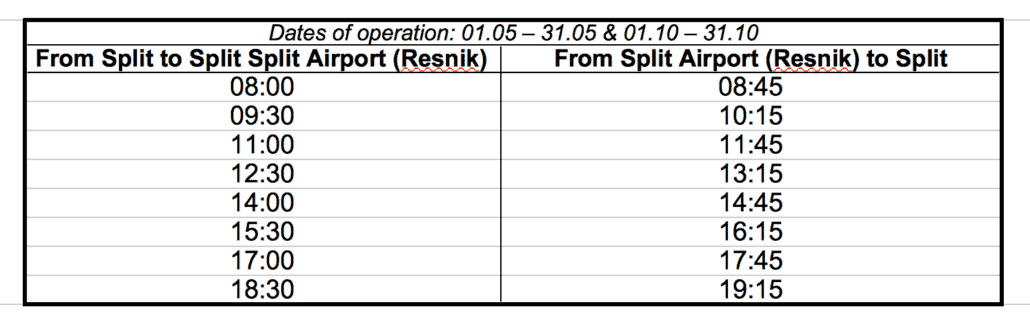
Starting on the 1st May this year, this Split Airport catamaran line – named Split Express – will operate eight times a day throughout that month (and throughout October too). From 1st June until 30th September, the catamaran will increase its frequency, operating ten times a day. You can see details of the sailings below:

Split Airport Catamaran - May and October
Source: Agencija za obalni linijski pomorski promet
Split Airport Catamaran - June to September
Source: Agencija za obalni linijski pomorski promet

Catamarans operate from the main port in Split and from the port in Kastel Stafilic, very close to Split Airport.

Journey time is only 20 minutes which of course is quicker than the bus. Another advantage is that Split Airport catamaran will take you right to the port in Split. (Although of course the bus station is right by the port as well, so it’s not too far to walk to catch a ferry or catamaran on somewhere else even if you take a transfer bus.)

The Split Express will be run by Split-based company Catamaran Line, and each catamaran will have a capacity for 150 passengers.

A one-way ticket will cost 99 Kunas (children 7 and under travel free), and can be purchased online from Catamaran Line or at the Riva Travel agency (Obala Lazareta 3) just off the Riva in Split.

By comparison, the airport transfer bus costs 40 Kuna. So the catamaran is more expensive but the journey time is less – and it’s certainly a more ‘exciting’ way of travelling in to the city.

This new Split Airport catamaran is a great addition to the summer season, and we have no doubt that it will help many travellers.

Happy transferring!

Visiting Croatia After Brexit

Visiting Croatia After Brexit

Note 2: Now that the end of the transition period has arrived and Britain is firmly out of the EU as of 1st January 2021, we have written an additional blogpost: Visit Croatia Post Brexit in 2021.

Note: Although we’re posting this on the 1st April, Brexit is not an April Fool’s. Sadly.

Ahh, Brexit. The 29th March 2019 has been and gone and the UK is still apparently in the EU. But somehow Brexit is still inching closer and closer (what date is it now…12th April? Goodie) and no one’s any the wiser with regards to what will happen with the UK. But there is some important information for travellers considering visiting Croatia after Brexit which we’ll lay out here. Whether any of this will actually come into effect and when (April? May? Never?!) we shall just have to see.

The information on this page is largely related to travellers visiting Croatia after Brexit. If you’re a British national residing in Croatia (or thinking about doing so), we’d suggest looking at the information provided on the GOV.UK website: Living in Croatia. If you live in Croatia and have any concerns, you may like to contact the British Embassy in Zagreb.

Visiting Croatia after Brexit

All of this information on this page relates to visiting Croatia as we’re an Croatian travel information website, of course. But Croatia is part of the EU, so (most of) this advice relates to visiting any other EU country as well.

Much of the information also depends on whether the UK leaves the EU with or without a deal. Really, it’s a waiting game as to what will happen.

European Health Insurance Card (EHIC)

Should the UK leave the EU on 12th April without a deal, EHIC cards will no longer be valid. If there is a deal, these cards are likely to still be valid over the next few years of transition. Beyond that, it is unclear whether UK citizens can use EHIC cards in Europe.

If you already have an EHIC card and are visiting Croatia this year, we would advise you to still take it along.

But most importantly, we would absolutely advise all travellers to arrange separate travel insurance for visiting Croatia in case any health issues arise.

More info: Healthcare for UK nationals visiting the EU (GOV.UK)

Driving Licenses

If the UK leaves the EU without a deal on 12th April, UK driving license holders will need to obtain an International Driving Permit (IDP) in order to drive in the EU (including Croatia).

An IDP is not a driving license, but a permit that can be used in addition to a British driving license. It is used in countries where using just a UK driving license is not sufficient. (Currently around 140 countries – not including the EU – require one for British drivers.)

An IDP can be easily obtained from the Post Office and costs just £5.50. If you’re planning on driving in Croatia this summer, we would recommend you obtain an IDP now (given the low cost), just to be on the safe side in case of a no deal Brexit.

More info: Driving Abroad (from Gov.uk)

Passport Requirements for Croatia and the EU

Advice here actually differs for the EU and for Croatia – most of the EU is part of the Schengen Zone whereas Croatia (and Bulgaria, Romania and Cyprus) are not (yet).

If travelling to the Schengen Zone after a possible no deal Brexit, you need to have at least 6 months left on your passport after arriving in that Schengen Zone country. That means if you currently have less than six months left on your passport, you need to renew your passport pretty much immediately.

However, for non-Schengen Zone EU countries – such as Croatia – this rule does not appear to apply. (Or rather, such countries can apply their own rules.) If you’re visiting Croatia after Brexit, it does not seem to be the case that you have to have six months left on your passport. The Croatian Ministry of Foreign Affairs website does not state anything regarding this – only saying:

** Since Brexit talks are still ongoing, the public will be informed about possible changes to the entry terms and travel regime in regard to British citizens via media and the MFEA website in timely fashion.

Croatian Ministry of Foreign Affairs website

Which is about as vague as Brexit itself. Essentially, keep your eyes peeled.

More advice: Passport rules for travel to the EU after Brexit (Gov.uk)

Visa requirements for Croatia and the EU

In future, although UK passport holders won’t require a visa to visit Croatia/the EU, they will need to apply for an ETIAS visa waiver. ETIAS (European Travel Information and Authorisation System) is essentially the European version of an ESTA, the visa waiver programme for the United States.

When it comes into effect (in ‘early 2021’), it can be applied for online and will cost €7. It will be valid for three years.

More info: A European Travel Information and Authorisation System – Questions & Answers (European Commission)

Data Roaming

These days, what’s a holiday without posting daily updates on Insta, Facebook, Twitter, Snapchat, Linkedin, Myspace and MSN Messenger? #summerhols And we all know how picturesque and photo-perfect Croatia is, right? It’s just made for sharing.

Aside from a smartphone, what’s the next most important thing you need to achieve peak social media sharing? Data roaming…and lots of it.

Brits been lucky enough to get ‘free’ data roaming (plus calls and texts, of course) in the EU for a couple of years now. However, this will very likely change post Brexit – with or without a deal.

The current suggestion is that should the UK leave the EU with a deal, British holidaymakers could still enjoy free data roaming until the end of 2020 (or until the end of the transition period, if different).

However, if the UK leaves without a deal then it is down to individual mobile operators as to whether or not they start reintroducing charges for using a phone in the EU – and they could do so almost immediately.

You may like to contact your mobile phone network to see what they say with regards to this, particularly if you’re planning on visiting Croatia or the EU soon.

More info:

Flights to Croatia and the EU

Even if there is a no deal, it is very unlikely that flights to or from Croatia would suddenly get cancelled the day after the UK leaves the EU. So if you have already bought flights to Croatia, or are thinking about it, we would say don’t worry in this regard – and look forward to your holiday!

More info: Brexit: Will flights be disrupted? (BBC News)

Visiting Croatia after Brexit – in conclusion

If you have booked your flights and holiday to Croatia this summer, we’re (almost) sure that everything will be fine and that you’ll have an amazing time.

But, overall, we’re recommend paying close attention to the news to a) see the actual Brexit outcome and b) in case there are any announcements effecting travellers to the EU!

About Croatia

Share your Croatian trip report with Visit Croatia and other travellers!

If you’re heading to Croatia this summer (or have already been), how would you like to share your Croatian trip report, experiences, tips and recommendations with other travellers?

Share your Croatian trip report!-trip-report

We’re asking you, dear travellers, to share your trip reports on Croatia with us and our readers. However long or short you’d like it to be, however many places you’d like to recommend (or perhaps you want to keep some secret!), we’d love to hear from you!

Whether you’ve enjoyed the magic of Dubrovnik, sailed to the beautiful islands such as Hvar or Vis, have partied at at a festival in Croatia, explored one of the national parks, or visited anything and everything in between, we’d certainly enjoy reading your Croatian trip report and are sure others would too.

We know that many of you are also very talented photographers (we certainly see the proof of that on our Instagram feed every day!) so we’d also love to display some of your gorgeous photos along with your trip report.

We’ll of course credit you fully – whether you’d like to see your full name up in lights…well, not literally…or something a bit more discreet!

Drop us a line at webmaster@visit-croatia.co.uk if you’d like to submit a piece, or have any questions.

Thank you for reading, and thank you if you’re considering sending in a report!

Note: The only thing that we ask is that your submission please be at least 200 words in length. Of course, we very much welcome reports longer than that! 

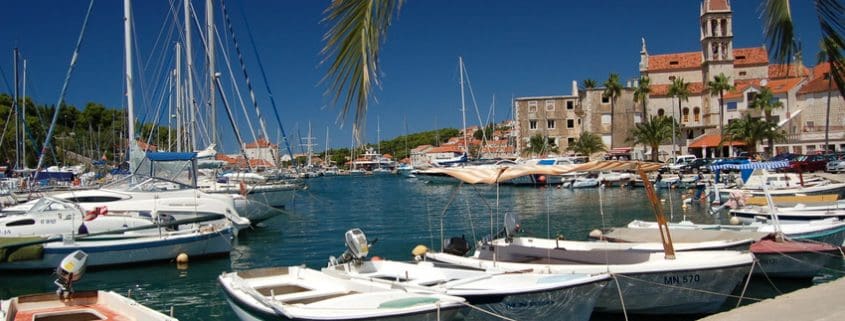
Milna, Brac

Travel question: Island day trips from Split and Dubrovnik in May

I am spending three nights Split and three nights in Dubrovnik in late May. I was wondering if you had any suggestions about possible ferry day trips to go on while in either of these two cities?

A.

Island day trips from Split in May

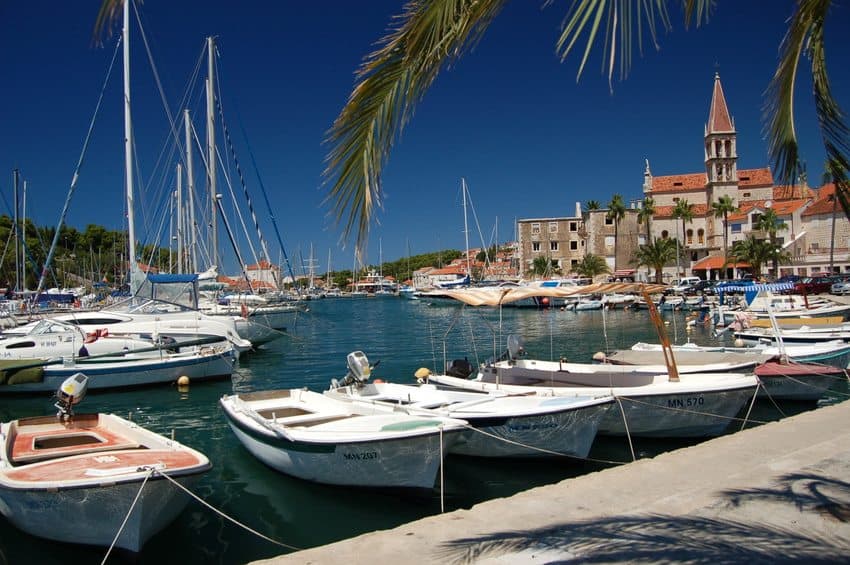
From Split, either Hvar Town or Milna on Brac (but not both on the same day!) would be most suitable locations for ferry day trips. This catamaran (which runs daily in late May) sails to both places, departing from Split quite early in the day and then making the return journey in the evening. This means you would get a full day on either Brac or Hvar.

Island day trips from Split - Milna on Brac

Milna on the island of Brac

Jadrolinija do also have sailings to Hvar Town. However, in late May they don’t yet have any in the morning (with a return in the afternoon/evening) meaning you can’t use their sailings for a day trip to Hvar at this time of year. They do, however, have a slow car ferry to Stari Grad on Hvar but at two hours sailing each way, that’s quite a lot of travel time! 

Vis is also not suitable as an island day trip by public ferry from Split.

For something closer and more ‘off the beaten track’, how about the island of Solta? Definitely possible as a day trip from Split (with Jadrolinija, sailing time 1 hour) you can find out more details about the island on the tourist office website. A tranquil place away from the crowds, it would certainly earn you brownie points as a place that not many people visit or have heard of! Travel expert Simon Calder wrote an article in the Independent on visting this island: Slavic secret Solta is steeped in history and rich in beauty.

Island day trips from Dubrovnik in May

From Dubrovnik, you can visit one (or possibly two, if you time it right!) of the Elafiti islands of Sipan, Lopud and Kolocep with Jadrolinija.

Unfortunately, there are no sailings in late May that make a day trip to the islands of Korcula or Mljet possible.

Of course, visiting the small island of Lokrum *is* possible! There are frequent sailings from Dubrovnik’s Old Town – see the timetable on the official Lokrum website.

Happy day-tripping!

Istria

Visiting Croatia in September

Although the summer holiday crowds have gone home, many travellers come to Croatia to visit this month. That’s no surprise – there’s a lot to be said for visiting the country in late summer/early Autumn. But what’s it like visiting Croatia in September?

Rovinj
Rovinj

Getting to Croatia in September

Travellers shouldn’t have any problems in reaching Croatia in September – most airlines that operate flights from the UK and the rest of Europe continue their summer schedules well into September, if not into October too. (Some even to early November!) Take a look at our Flights to Croatia from the UK & Ireland to see the full operating dates of all routes from these two countries to Croatia.

Getting around Croatia in September

Likewise, most transport options – with buses and ferries being those that travellers will most likely use when visiting Croatia – still continue with high season or special ‘summer’ schedules in this month too. For example, Jadrolinija – the largest ferry operator in Croatia – continues its high season schedule until the end of September. Kapetan Luka – operator of the very popular catamaran service that travels from Split to Brac, Hvar, Korcula, Mljet and Dubrovnik (and return too, of course!) still continues to operate this service daily in September. (Note: it changes to being a three-times a week service in October.)

Some seasonal bus routes may have stopped operating at the end of August, although most of these of are of the kind that take (domestic) holidaymakers from inland Croatia to the coast. Check out our Bus Travel in Croatia section for help in planning bus routes.

Visiting Croatia in September - Plitvice Lakes

Accommodation in Croatia in September

Not to sound like a broken record…but since absolute peak season is now over, accommodation should be slightly cheaper in Croatia in September. But seeing as it’s still a busy month, it’s not the time for bargains! Check out our Accommodation in Croatia section if you need some help with planning and booking where to stay.

Weather in September in Croatia

This is a big one – what’s the weather like during the ninth month of the year? Well, traditionally, summer temperatures and conditions normally do stretch out well into September if not beyond. This is one reason that many choose September as the month to visit Croatia – especially as the summer holidaymakers have gone. Sea temperatures will also be warm, given waters have been heating up for a number of months!

Southern and Central Europe was undergoing something of a heatwave in early September, with temperatures reaching into the 30s Celsius. However, mid-20s C is a more normal temperature for this time of year – and it looks like this sort of weather has returned to Croatia and will stay.

The Croatian Meteorological Service website is a great website to check out weather forecasts (although I’m sure you already have your own favourite weather website or app!) – but do be sure to take a look at their current sea temperatures page.

What’s on in Croatia in September

Plenty!

Korcula is the location of the 4th Korkyra Baroque Festival, 5th to 12th September.

The 20th Split Film Festival – an international festival of new film – will be taking place in Croatia’s second city from the 12th to 19th September.

The 9th Giostra Festival will take place in Porec, 9th to 11th September 2015. Over the three days of the event, around 250 participants celebrate costumes, culture and events from the 18th century.

If you’re in Istria towards the end of the month, look out for the Parenzana Bike Race (25th – 27th September), a World Cycling Federation event. Or if you’re feeling active, join in on the recreational ‘race’ on the Sunday!

The Food Film Festival will be held in Zagreb from 11th to 20th September, combining two wonderful items – food and film! Films with a gastronomic focus will be shown. Also in Zagreb is the 48th International Puppet Festival (14th – 19th September) and music and food event RujanFest (literally, ‘SeptemberFest’) from 11th to 20th of the month.

Nightlife and festivals in September in Croatia

Outlook Festival, held in Fort Punta Christo near Pula from the 2nd to 6th September concludes the festival season for Croatia for the year…so if you planned to attend one of these gatherings, you’ve kind of missed the boat!

Most of the island clubs (such as in Novalja) also normally close for the season at the end of August. But if clubbing’s your kind of thing, we’d advise sticking to one of the larger cities or towns in the country – such as Zagreb, Split and Dubrovnik.

Enjoy your September visit to Croatia!

Venice to Split

Getting from Venice to Split

One of the questions we get asked a fair amount these days concerns ferries from Venice to Split, or vice versa. We assume that many travellers’ ‘end point’ for travels in Italy is Venice, and they then want to make the leap to Croatia…by going directly to Split!

We can categorically say that there are no ferries from Venice and Split. Ferries used to operate in the past, but nothing resembling this route has operated since 2005. Back then a company sailed from Chioggia (close to Venice) to Split – a journey that took 12 hours. So if you were hoping that you could travel between the two places by ferry, with a quick 3-4 journey time…you’re out of luck! (Also, look at a map! The two cities aren’t that close!)

Venice to Split
The Grand Canal in Venice

So if you are looking to travel from Venice to Split, what are your options?

Flights from Venice to Split

By far the quickest way is flying…of course. Volotea operate early morning flights twice a week (Monday and Thursdays until 1st October 2015), with a flight time of just one hour. You can take advantage of some pretty cheap flight deals if you book early enough.

In case this helps some of you (depending on your other travel plans in Croatia), there are also flights from Venice to Dubrovnik in summer. Croatia Airlines fly on Thursdays and Sundays (flights operate in the early evening), with a flight time of 1 hour 20 minutes.

Travel down the Italian side of the Adriatic

The alternative would be to travel down one side of the Adriatic to get to Split. We normally suggest doing so on the Italian side, as you can travel by train from Venice to Ancona and then get one of the overnight ferries from there to Split. Check out train timetables – and ticket booking – on the Trenitalia website; train journey time is around 4 hours, including a change in Bologna, or there are also a couple of direct trains a day between Venice and Ancona that take 3 hours 30 minutes. (So, not much difference!)

There are several companies that run ferry services between Ancona and Split, and the journey time is 10/11 hours. See more details on our Travelling from Ancona to Croatia page.

In peak season (July/August), some of the ferries stop off at Stari Grad on Hvar en route to Split.

Travel down the Croatian side of the Adriatic

There are no direct public transport options from Venice to Split, so the best way is to take a train from Venice to Trieste (journey time approximately 2 hours; many trains per day – again, see timetables at Trenitalia) and then a bus from here to Split.

There’s a daily bus that departs at Trieste at 1.45pm and arrives in Split at 10.30pm. Some days, there’s also an overnight bus that gets into Split just before 4am. Both of these buses are operated by Autotrans – you can look up full details on their website, which also offers online ticket booking.

Driving from Venice to Split

You can of course rent a car in Venice and drive all the way to Split. However, we’d recommend against trying to do this as a one-way rental – one-way car hire across a border in Europe is ridiculously expensive!

If you do fancy driving most of the way, we would recommend taking a bus (or possibly catamaran) into Croatia and then picking up your hire car here. One-way car hire within Croatia is certainly possible and not all that more expensive (if at all).

Take a look at our Travelling from Venice to Croatia page for details of buses. We’d suggest taking a bus to Pula to pick up a car as that’s the nearest large town; however, you can also find car hire offices in Porec and Rovinj.

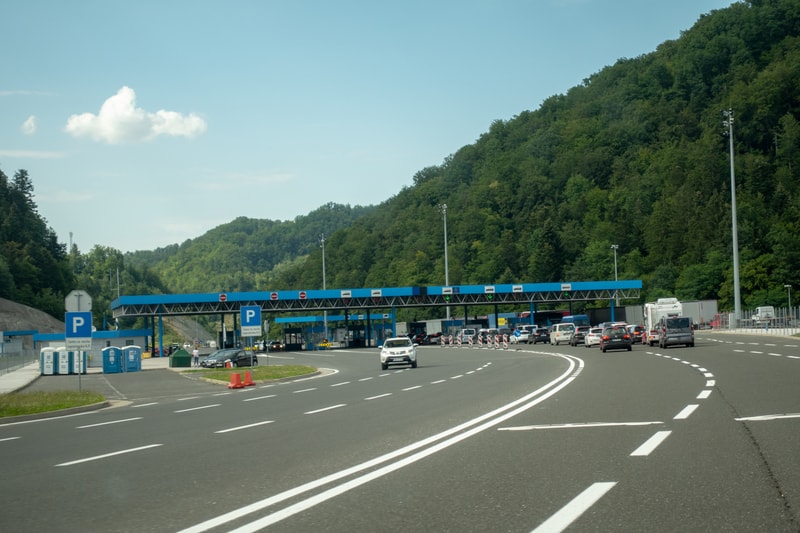
If you do end up driving from Venice to Split (perhaps you’re returning to Italy after Croatia), the distance is about 650km. Factoring in what may be a busy border crossing (Slovenia – Croatia) in summer we wouldn’t recommend you attempt the journey in one day!

Note: Don’t forget that a vignette is need to drive on motorways in Slovenia.

Pula to Split is around a 5-6 hour drive if you take the inland motorway route; if you drive the scenic coastal route, the journey will be longer.

Trains from Venice to Split

Errr…don’t bother! There are most definitely no direct trains between the two cities; if you did attempt the journey, you’d find yourself having to travel via Zagreb (which, geographically, is quite a detour). There’s also not even any direct trains from Venice to Zagreb, adding to the pointlessness of this option.

Other options for getting from Venice to Croatia

Don’t forget that catamarans from Venice do operate to locations in Istria – Pula, Rovinj and Porec. There are also several bus options from Venice to places in Istria too.

Take a look at our Travelling from Venice to Croatia page for full details of these.

Split Photos - View from the Belltower

Travelling from Zagreb to Split

Are you planning on travelling from Zagreb to Split (or vice versa) this summer, taking in Croatia’s two largest cities? Read our guide below for how best to travel between the two!

History of Zagreb

Travelling from Zagreb to Split by train

Unusually for Croatia train is one of the methods of transport you can use in travelling between Zagreb and Split. (We say this because many travellers expect to travel around by coast…and then discover the lack of train services along the coast!)

There are several trains per day between Zagreb and Split, and journey time is either 6 hours or 8 hours (the latter being an overnight train).

Daytime trains take around six hours, and a one-way, second-class ticket costs 208 Kunas. There’s a train that departs early in the morning, and another departing mid-afternoon.

The 8-hour train has a couchettes for sleeping – if that’s your kind of thing – and there’s also a special bicycle car…plus space to transport vehicles! The cost of this train is 190 Kunas for a regular, single-ticket journey in second class.

Look up timetables on the Croatian Railways or Die Bahn websites. Look for Zagreb Gl. Kol. or Zagreb Glavni Kol. (Zagreb Glavni Kolodvor meaning Zagreb Main Terminal, the main station in the capital.)

Note: During summer, twice a week (Tuesdays and Fridays) these trains actually start in Budapest – so if you’re travelling from Hungary, you can make it direct all the way to the Croatian coast (well, as long as it’s Split!). Journey time is 14 hours.

Travelling from Zagreb to Split by Bus

There are many buses per day between Zagreb and Split…as befitting a route connecting Croatia’s two largest cities! It’s best to look up timetables on the Zagreb Bus Terminal website.

The thing to note about bus services is that some are much faster than others – this depends on whether buses take the fast, motorway route to Split or the slower ‘road’. (The latter most likely meaning plenty of stops en route.)

You can work out journey time length on the Zagreb Bus Terminal website; it also shows how many stops (and where) will be made. This will give you an idea of which are the faster buses! Journey times vary between 5 hours and about 7 and a half hours.

The Zagreb Bus Terminal website also offers online booking of tickets, although you will need to physically pick up tickets from the Terminal before departure. (But seeing as you’re leaving from there anyway…that’s no big deal.)

Flights from Zagreb to Split

There are also daily flights, year-round, between these two cities operated by Croatia Airlines. With a flight time of only 45 minutes and with cheap tickets available if you book early enough, this is obviously a very fast way of travelling that can actually be cheaper than expected.

You do, of course, have to factor in travel between each city centre and airport but with regular transfer buses at both ends that’s easy enough. Check out our Zagreb Public Transport and Getting to and from Split Airport pages for help.

Driving from Zagreb to Split

If you’ve hired a car for your stay in Croatia, driving from Zagreb to Split is also very easy these days due to the A1 motorway. The journey time can be as quick as 4 hours, assuming no bad traffic situations. The motorway is of course tolled so do factor this in – you’ll pick up a ticket when entering the start of the motorway just outside Zagreb, and then need to pay when you exit at Dugopolje outside Split. If you’re in a standard car, this will cost 174 Kunas (2015 price) – prices of other vehicles can be seen here: A1 motorway toll prices.

Dubrovnik to Novalja

Travel question: Getting from Dubrovnik to Novalja

Question: Myself and a friend are arriving in Dubrovnik and need to travel to Novalja. Is there any direct transport from Dubrovnik to Novalja? If not, what’s the easiest, shortest and cheapest way to get there? Train? Bus?

Answer: Some of you who are heading to Novalja this summer for one of the many festivals held there may have booked flights to Dubrovnik. It’s not the closest airport to Novalja on the island of Pag (Zadar is; Split is second), but there’s certainly plenty of flights from the UK and Europe to Dubrovnik and you may well have found it cheapest to fly there.

Dubrovnik to Novalja

So, if you’re looking for public transport options from Dubrovnik to Novalja, here’s what we’d recommend…if you’re trying to get between the two as quickly as possible. There is no direct transport from one to the other, so:

Option 1: Dubrovnik to Zadar to Novalja

Travel Dubrovnik to Zadar by bus (8 buses per day, with most in the morning; journey time 6-7 hours) and then Zadar to Novalja by bus (3 buses per day; journey time 2 hours).

Look up timetables on the Zadar Bus Terminal website.

The approximate one-way cost is 280 Kunas (200 Kunas Dubrovnik – Zadar; 80 Kunas Zadar – Novalja).

Option 2: Dubrovnik to Split to Novalja

Travel Dubrovnik to Split by bus (many per day; journey time 4.5 hours) and then Split to Novalja by bus (one per day; journey time 5 hours).

However, the Split – Novalja bus operates in the morning, so you’d most likely have to split this journey up into two days with a night in Split. (No bad thing.)

Look up timetables on the Split Bus Terminal website.

The approximate one-way cost is 340 Kunas (120 Kunas Dubrovnik – Split; 220 Kunas Split – Novalja).

TIP: If you’re keen to secure a seat on the Split – Novalja bus, tickets can be bought online (with a 5% discount!) on the Autotrans website.

Technically you could also do Dubrovnik – Split (4.5 hours); Split – Zadar (lots of buses on this route; 2.5-3 hours; approx. 95 Kunas) and Zadar – Novalja (2 hours) but then that does involve two stops!

Happy festival going!

Croatia Travel Checklist

Croatia Travel Checklist – are you ready?

Are you travelling to Croatia this summer? Here’s our guide to some things you might like to consider before you go!

Croatia Travel Checklist

Do I need a visa for Croatia?

Citizens of EU countries, the U.S., Canada, Australia and New Zealand DON’T need a visa to visit Croatia. There are also many other countries whose citizens don’t need a visa for Croatia – we won’t list them all here, so please do check against the information on Croatian Ministry of Foreign Affairs website.

It is also possible to visit Croatia using a double- or multiple-entry Schengen visa – which is useful if you’re doing a fair amount of travelling around Europe this summer. Again, please check the information on the above website.

What if I do need a visa?!

If you need a visa for Croatia, please contact the Croatian Embassy in the country you’re based in – or the Embassy as advised in this list: Diplomatic Missions and Consular Offices of Croatia.

If you want to obtain a Schengen visa, you would obviously have to do this at the Embassy of a Schengen area country. Normally this would be the country in which you are spending the majority of your time when on your holiday.

What about money – what’s the currency in Croatia?

The currency is the Kuna. Plural in Croatian is Kune, but it’s fine to says Kunas. On signs, the currency is abbreviated to Kn; in foreign exchange places (outside of Croatia) it will be listed as HRK.

The currency in Croatia is not the Euro. Euros are not accepted. Croatia will not be joining the Euro anytime soon.

(Slight disclaimer: Some private accommodation places might accept payment in Euros…but really, work on the basis of the currency being the Kuna!)

See more on our Money in Croatia section.

Should I obtain Kunas before I go?

We know that travellers have many preferences when it comes to foreign currency. Our preference is to travel with debit (cash) cards and withdraw money from ATMs/cash machines as we travel. These are readily available in Croatia (even at airports) and exchange rates are normally very good. Of course, your home bank will charge fees – but these can often be quite low. (Check before you travel!)

Otherwise, there are many places to exchange money – bureau de change and banks – practically everywhere. Simply take along your home currency (Pounds, Euros, Dollars) to Croatia if you’re planning on changing money in the country. Avoid changing money in hotels as exchange rates are normally pretty bad.

You can also obtain Kunas before you go to Croatia if you like – for example, in the UK many high street banks, Travelex.co.uk, the Post Office and M&S Money all sell Kunas these days. However, the exchange rate that you get will be a bit better in Croatia than in your home country.

How much money should I take to Croatia?

For those that do prefer taking cash on holiday, this is the $64,000 question! (Although, please don’t actually take $64,000 along with you.) It’s difficult to answer because – what are your typical spending habits? Do you like to splurge for every meal and on drinks? Or will you mainly be having low-key meals? Will you be signing up for daily organised excursions? Or relying on local buses and ferries to get you to other places?

Below is an idea of some prices in Croatia during peak season. Do note that some locations (e.g. Dubrovnik and Hvar) can be pretty pricey during summer! These are all approximate prices, only to be used as a guide – please do note

  • Relatively simple meal for two (pizza/pasta) with a drink each (beer/soft drink): 150 Kunas
  • Push-the-boat meal for two with a nice bottle of wine: 500 Kunas (or more!)
  • Local beer: 15-20 Kunas
  • Glass of wine: 15-20 Kunas
  • Soft drink: 15 Kunas
  • Bottle of water (at a restaurant/cafe): 10-12 Kunas
  • Coffee: 10-15 Kunas
  • Ice cream: 9/10 Kunas
  • Buses journey – Split to Dubrovnik: 125 Kunas (Obviously, bus prices vary depending on the journey! See Bus Ticket Prices in Croatia)
  • Catamarans – Split to Hvar: 55-70 Kunas (As above!)
  • National park entrance fees e.g. Krka National Park: 110 Kunas (summer price)
  • Excursion e.g. Split to Plitvice Lakes: 500 – 600 Kunas

You can save money by buying your own food/snacks at markets and supermarkets – which are pretty cheap – ideal for a picnic-style lunch; drugstores/pharmacies usually stock a small range of snacks as well.

What cards are accepted in Croatia?

Visa and Mastercard are readily accepted in Croatia. However, you may find that some places – such as smaller, family-run restaurants – don’t accept cards at all, so do always have some cash to hand!

What electrical travel adapters do I need?

Croatia uses the standard European 2-pin electric plug. It’s best to bring one (or a few!) along with you – don’t rely on buying them in Croatia! (Technically, they’re available, but you don’t want to spend all day hunting around for one.) Or, better still, take one and a 4-way plug adapter – so you can charge a few things at once!

Travel Insurance/EHIC

As with travelling anywhere, you really should arrange travel insurance before your visit to Croatia. Shop around for the best deal.

As Croatia is now in the EU, the European Health Insurance Card (EHIC) is recommended for EU citizens as this will help you get state medical healthcare for free/reduced rates. An EHIC card is free – apply for one (or renew one) online.

Phones/Internet

If you’re travelling from the EU, many mobile phone providers now offer rather cheap data and phone plans if you plan on using your phone abroad. For example, UK-operator o2 let you use your phone in other EU countries for £1.99 a day which includes unlimited data (upper restrictions apply); you can making/receive calls for 50p then no more for the first hour, and send texts for just 5p. Contact your own network to find out how much it’ll cost you to use your phone – it may be cheaper than you think. (But it’s always best to double-check!)

Wifi is readily available in Croatia these days – almost all accommodation places offer it (normally for free), as do many cafes/restaurants. You may also find free hotspots in some towns and cities.

Guidebooks on Croatia

Why do you need a guidebook when you have Visit Croatia?!

We’re just kidding, of course, for we also love travelling abroad with a trusty travel guide! (Although Visit Croatia is now fully mobile-optimised!)

Check out our Books on Croatia section to see what’s available.

Accommodation in Croatia

We’ll assume many of you have already sorted out your accommodation for Croatia. If not, head to our Accommodation section!

If you’re planning on leaving until you get to Croatia – wanting to go the ‘private accommodation’ route – that’s fine too. However, because summer is peak season, availability is low – though you should still be able to find a bed for the night somewhere. If you’re not that bothered about accommodation amenities or how basic a place is (although everywhere should be clean and safe – don’t worry about that kind of thing), that’s fine. If you have specific requirements/wants, or wouldn’t be best pleased to stay somewhere basic and with a 80s-style bathroom, then think about booking ahead!

If you ever get stuck looking for accommodation, head to the local tourist office. They should be able to help you find somewhere.

Should I learn some Croatian before I go?

Pretty much everyone that works in the tourist industry – hotel staff, waiters, tourist office works – speaks English, with the younger generation speaking it excellently. (Older waiters, for example, probably speak better German, but they’ll still understand you!)

It wouldn’t hurt to learn a few basic phrases – see our Croatian for Travellers guide and below – but don’t worry too much about learning Croatian!

Basic phrases in Croatian

  • Good morning – Dobro jutro (doh-broh you-trow)
  • Good day – Dobar dan (doh-bar dan)
  • Good evening – Dobra vecer (doh-bra veh-cher)
  • Hi! – Bok! (bok!) Note: quite informal – use one of the above, normally!
  • Goodbye – Dovidenja (doh-vee-jen-ya)
  • Yes – Da
  • No – Ne
  • Thanks – Hvala (Hva-lah)
  • Please – Molim (Mo-leem)