Risnjak summit

There is amazing hiking around Rijeka, even without a car!

Regular contributor John from Rijeka recently shared a highly entertaining account of climbing the Via Ferrata Bat in Dalmatia. A keen adventurer, here John shares with us the many options for hiking around Rijeka, including on the nearby islands. Very helpfully, John recommends (and includes transport information for) many hikes that are possible without a car. (All photos in this post have been provided by John.)

Despite its reputation for cool beaches, Rijeka is surrounded by amazing possibilities for hiking, most obviously in Gorski Kotar but also on the islands. Reading the limited tourist information available, it would appear that all these hiking options can only be accessed by car. This is certainly not true! There are plenty of options accessible by public transportation, and in many cases, they allow better point-to-point routes without the need to always loop back to a car.

The website of the local bus company Autotrolej is your friend, but even the limited train service provides a few options.

Hike right from the centre of Rijeka

However, before considering buses and trains, there is an even easier option that does not involve public transportation. A dramatic canyon following the Rjecina River starting almost in the centre of Rijeka provides surprisingly adventurous hiking. Find Titov Trg (Tito’s Square) and follow the right-hand side of the river inland through an industrial area which leads to a short steep climb into the canyon. This can be followed for an hour to the first road bridge and back, or followed all the way to the source where the river bursts out of the base of a huge cliff, and then returning on the bus from Kukuljani (zone 4, route 12).

Get the mountain feel near Hahlić and Platak

The Hahlić area has a real mountain feel and is easily accessible from Rijeka – get off where the bus turns around at Podkilavac, which can be reached every two hours on route 16 (zone 4). You may have to change buses in Dražice, but this is very easy and straightforward. There are at least three different paths up to the hut of Hahlić, and there are several peaks to climb in the immediate surrounding area. The most dramatic and challenging path to Hahlić is up Mudna Dol. This demands some basic climbing skills and is a great adventurous day out.
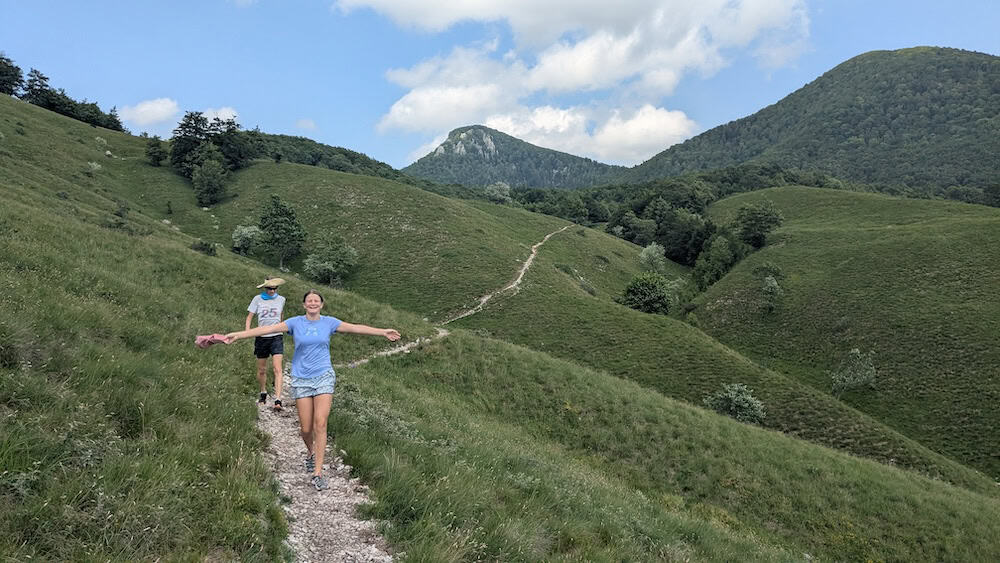
Hiking around Rijeka - Descending-from-Hahlic
Descending-from-Hahlic

At weekends, there is a secret bus (zone 4, route 12B) to the mountain resort of Platak. This is an excellent way to climb Risnjak, the most spectacular mountain peak in the region. This bus can also be used for one-way hikes from Platak to Podkilavac. There are several options; the shortest, going directly between the two, is about 13 kilometres in length, whilst going via Hahlić hut is about 20 kilometres. The advantage of starting at Platak is that there is more down than up.
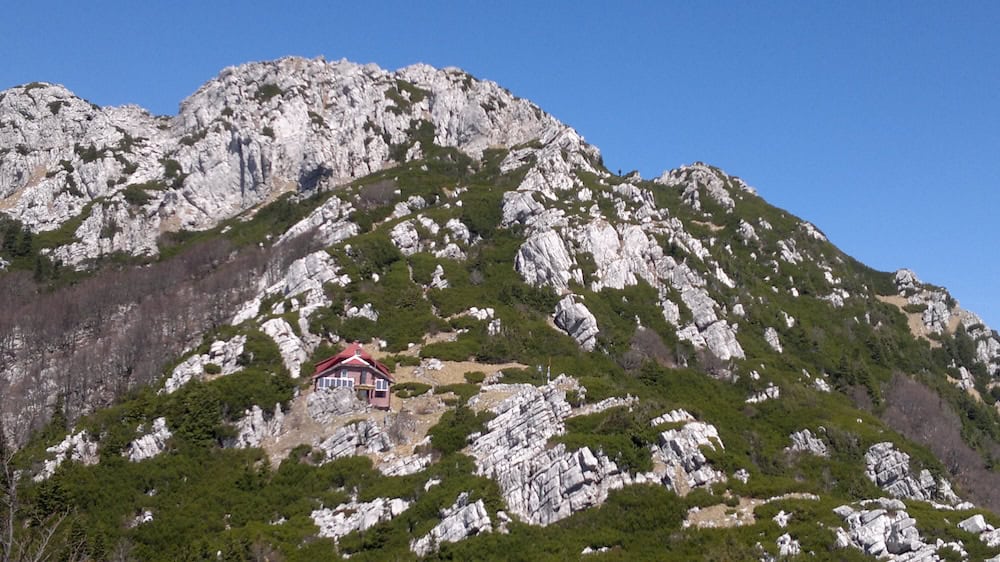
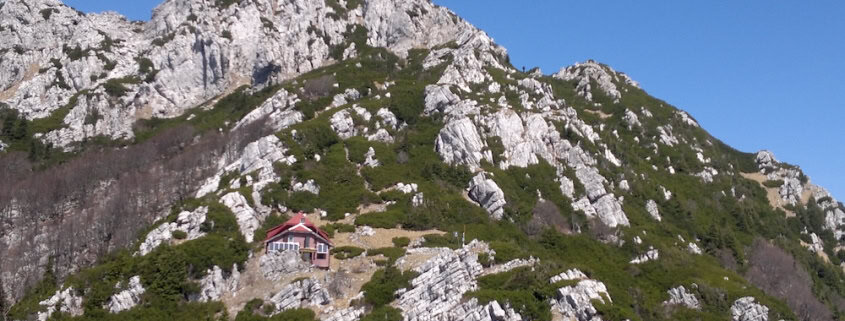
Risnjak summit
Risnjak summit

Head to Kastav for spectacular views

Bus number 19 runs up to the historical and very cute town of Kastav (zone 3), which is worth a visit in its own right with fantastic views across the whole Kvarner Bay and Gorski Kotar. There are several easy circular hikes, marked as Snail Rabbit, and Deer (puž, zec and srna).  On the official tourism website, the lengths aren’t given, but they are about 4, 10, and 18 kilometres respectively. They are also excellent for trail running.

Hikes close to Opatija

For those wanting a true hiking challenge, the no.32 bus runs about every 40 minutes from Rijeka to Opatija (zone 3) and Lovran (zone 4). From Lovran, there is a steep path from the sea to the summit of Učka – make sure you take plenty of water with you! An easier but not easy option is to stay on the bus to Brseč, which is another amazing clifftop village, and hike up Sisol.
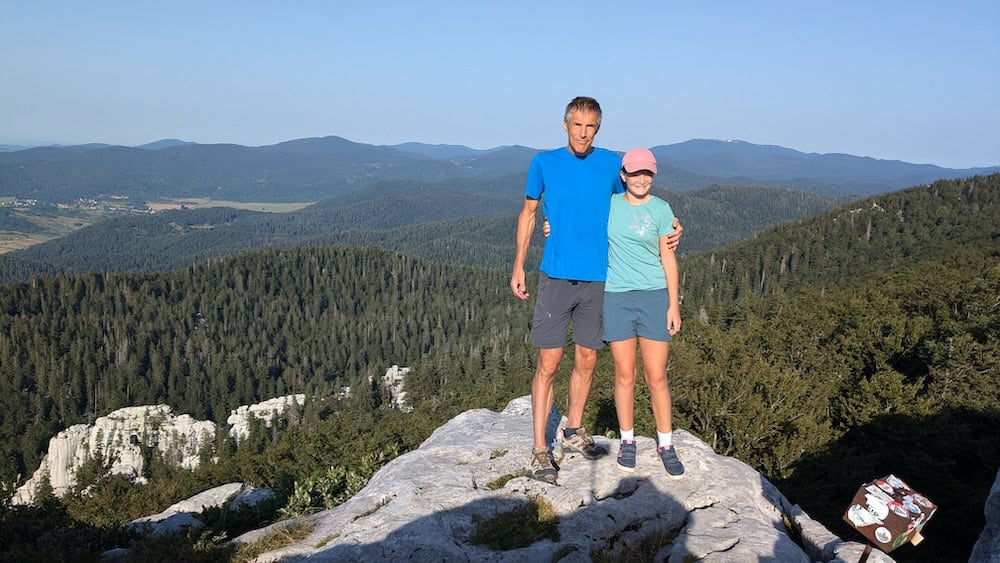
The summit of Bitoraj

The train (see schedules on the Croatia Railways website) towards Zagreb runs irregularly to Fužine, and it is possible to visit this famous mountain village for the day and take a gentle walk around the lake. However, one of my favourite options is to take the train for another 5 minutes to Vrata and to hike up the mountain of Bitoraj. There is a beautiful, well-maintained hut just ten minutes below the summit if you want an overnight adventure. The hut is unmanned but always open. There is solar lighting and a rainwater collection system; perhaps bring purification tablets or a filter, or boil it before drinking.
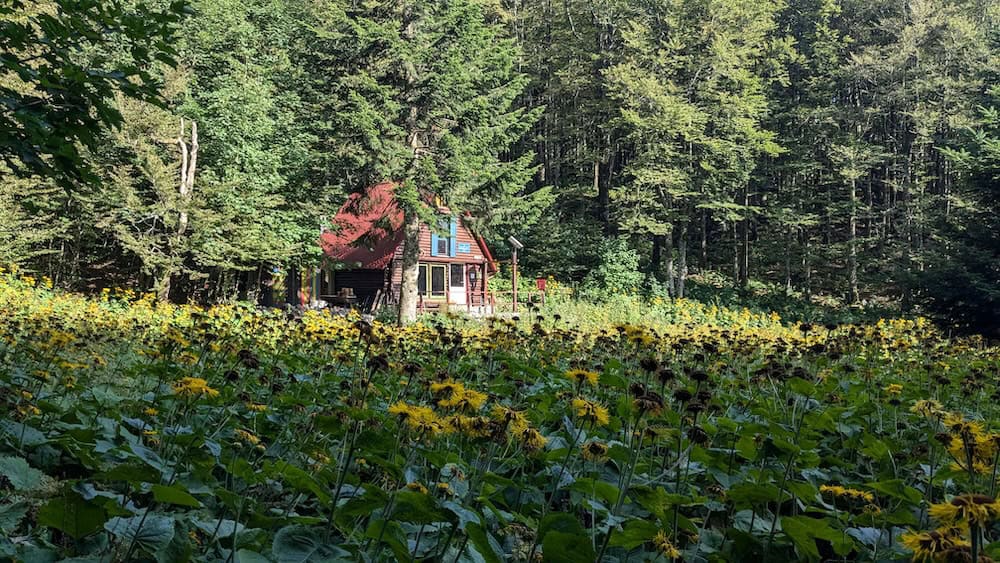
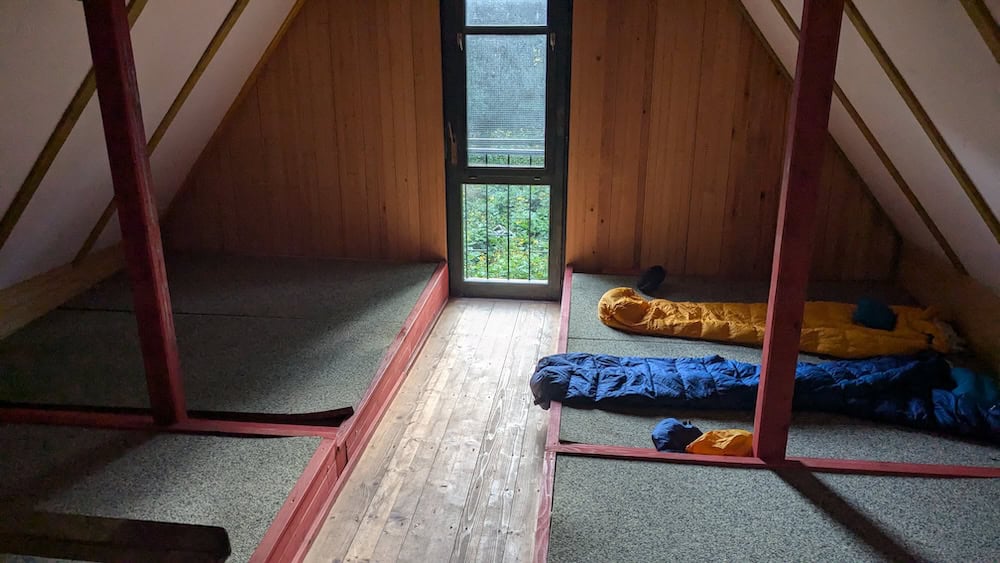
Bitoraj hut
Bitoraj hut
The sleeping area in Bitoraj hut

Hiking around Rijeka – on the islands

For those wanting to mix hiking and swimming, there are plenty of options on the islands. One great hike is to take the bus to Nezerine or Ćunski on the island of Lošinj and hike up to the peak of Laća, carrying on along the ridge and dropping down to Osor to get the bus back. This can just as easily be done from the towns of Mali and Veli Lošinj.
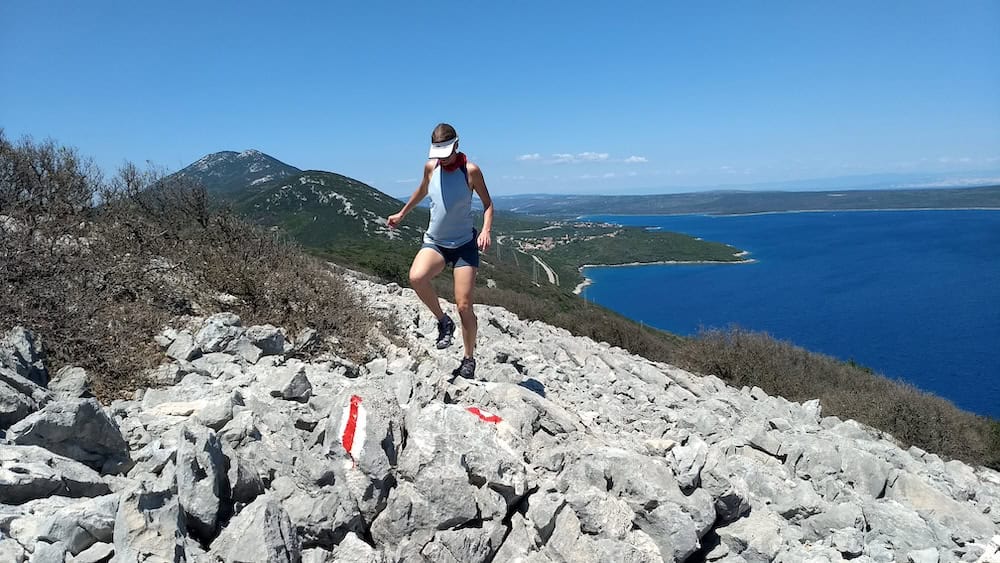
Hiking around Rijeka - High on Losinj island
High on Losinj island

From Cres Town, most easily reached by catamaran from Rijeka, there is a two-hour hike each way to the almost too beautiful to be real beach at Sveti Blaž. Bring your swimming costume and plenty of water!

For the more ambitious, there is a hiking trail that exists along the whole length of Cres and Lošinj islands, called the Via Apsyrtides. I have absolutely no idea how to pronounce this, but individual stages can be accessed by bus (check out the Arriva website for timetables) from Cres, usually departing early in the morning, returning mid-afternoon.
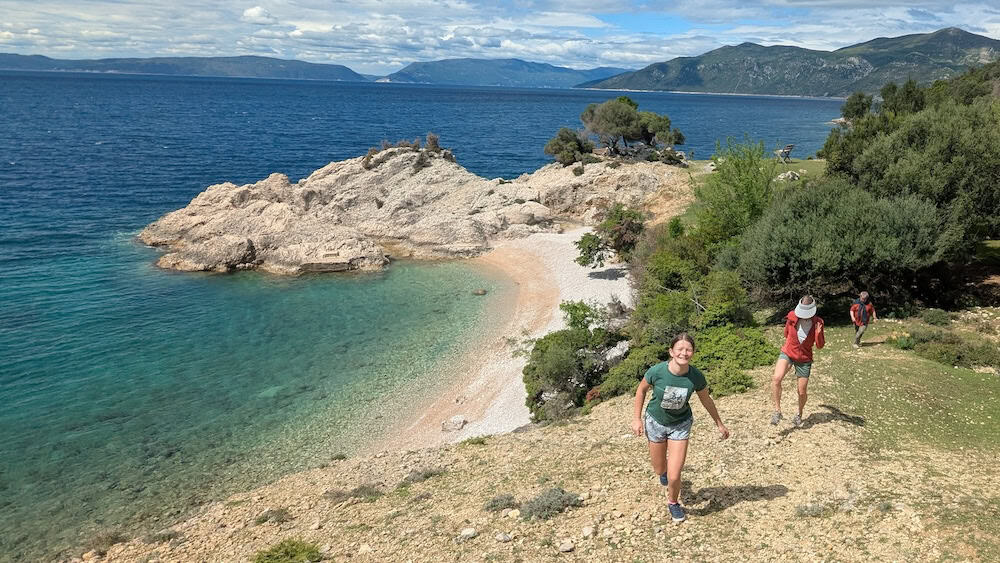
The catamaran from Rijeka runs daily to Cres and Mali Lošinj; other than these towns, it stops at different towns and islands depending on the day. With a little planning, it is possible to disembark at Martinšćica (again, don’t even try to pronounce it – I can, but it took me 5 years to get it right!). The 28-kilometre hike from there back to Cres over Lubenice is truly spectacular. It might be worth taking it slowly over two days, sleeping in Lubenica or Valun, which would allow for the strenuous but worthwhile descent for a swim at the stunning Lubenice beach.

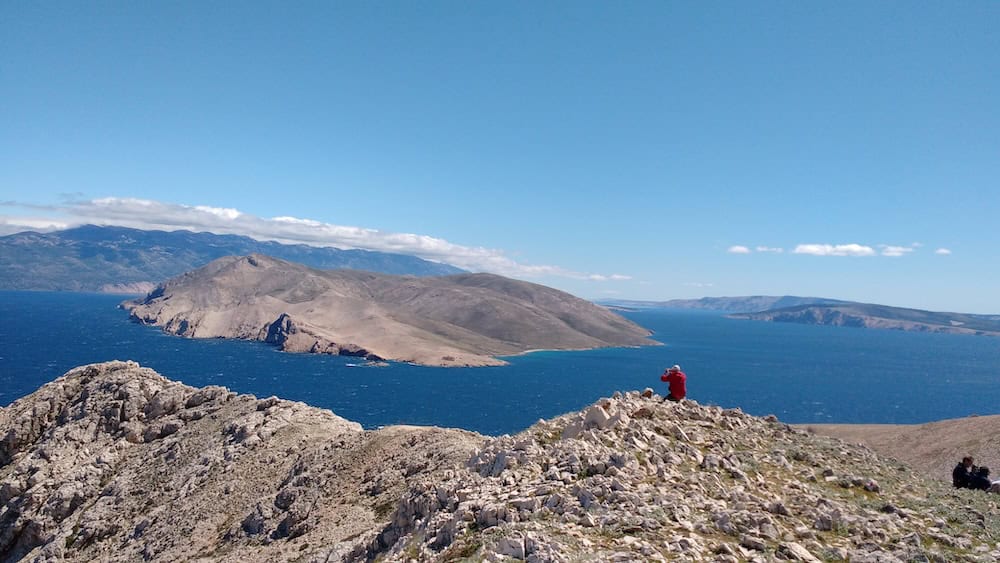
On Krk, my favourite hike involves taking the bus from Rijeka to Baška, but getting off at the top of the pass before the final descent – near the peak of Straževnik, which is also easily accessible by bus from Baška itself. The beautiful, if rocky, path leads along the ridge top to the southern tip of the island with numerous options to drop down the Baška for a swim and the bus back to Rijeka. The Vrženica Canyon is another fun favourite in Baška.
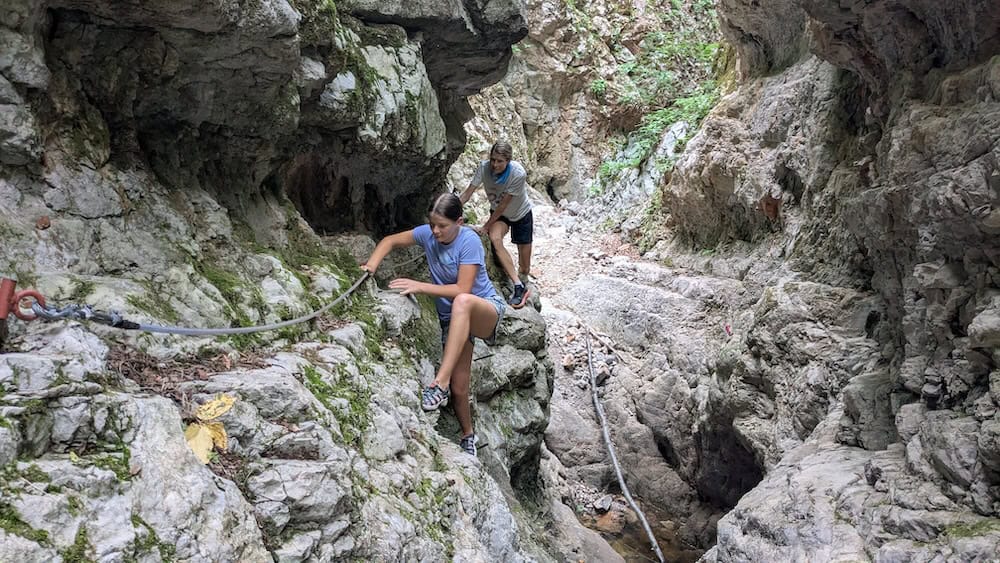
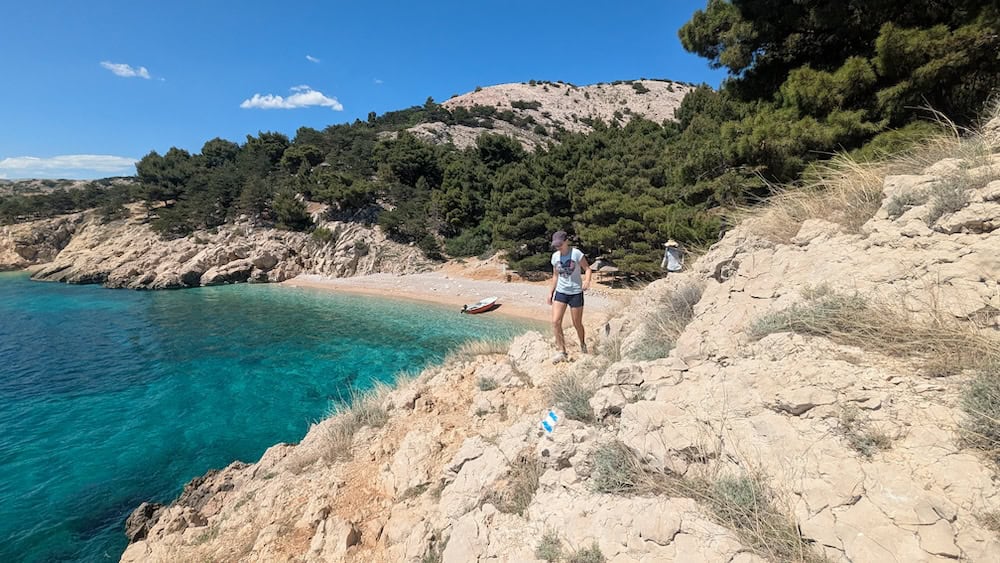
In Vrzenica canyon
In Vrzenica Canyon
Hiking near Baska
Hiking near Baska
Looking south from Baska

More hiking options

I’ve listed some of my favourite hiking routes here; there are, of course, many, many more. It is unfortunate that the local tourist boards do not cater for those without cars, but it can be done. The local bus network is surprisingly comprehensive and useful, even if timetables and ticketing are not so easy to understand. I know that Zadar (check out Velebit, the Dolomites without the crowds) and Split also have many similar options.

Thank you once again, John, for this highly informative guide to hiking around Rijeka!

Read more of John’s excellent reports below:
Discover Šimuni: A Local’s Guide to a Croatian Hidden Gem

By Aleksandra B. Fabijanić

Aleksandra is a social scientist and an academic in entrepreneurship at the University of Glasgow, where she teaches and mentors students and startups on a daily basis. Alongside academia, her entrepreneurship work focuses on the intersection of the space sector, big data, and environmental intelligence, particularly across fisheries, ports, and coastal ecosystems connected to marine systems around the world. Through her husband and her many years spent on Pag, Šimuni has become a place she feels very connected to personally.

Šimuni, on the western side of Pag, is the kind of place visitors return to year after year.

For more than 100 years, this small fishing village has been shaped by the sea and by generations of local families living from fishing, farming and hospitality. Today, Šimuni is known for its calm beaches, fresh local food and relaxed pace of life.

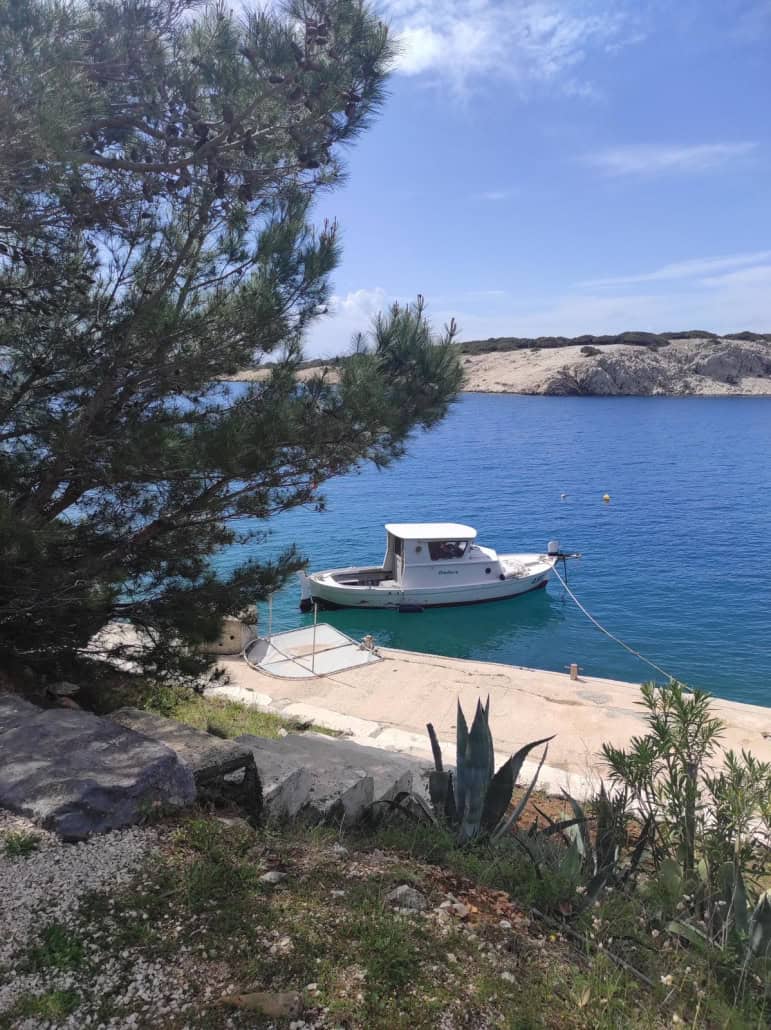
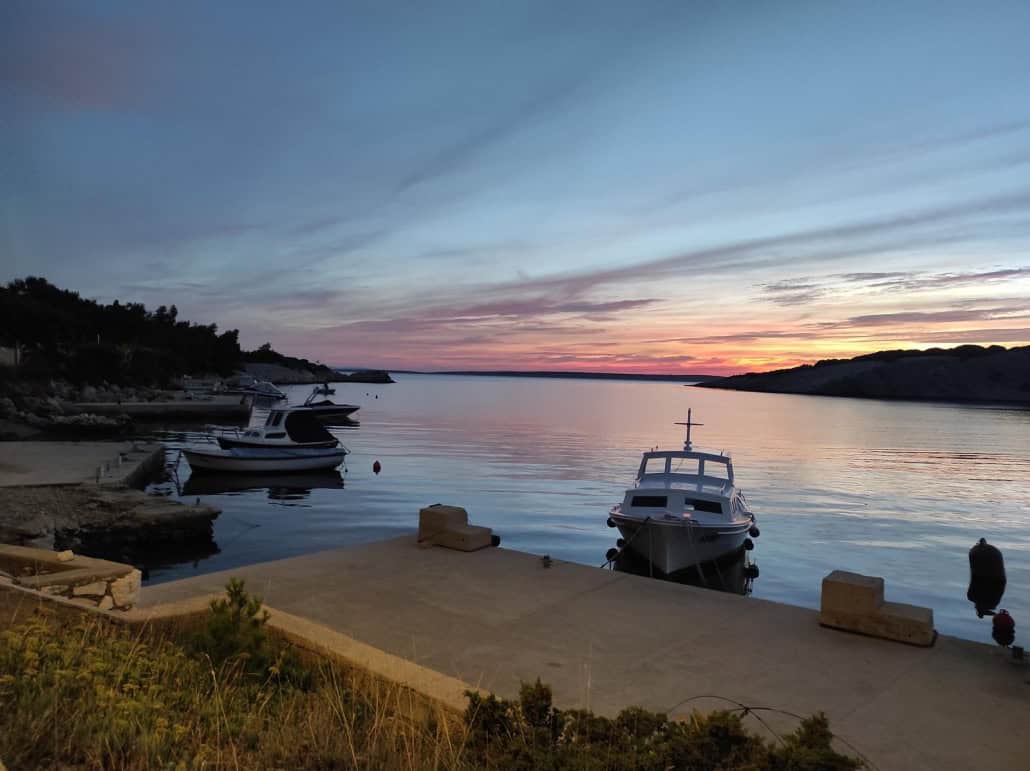
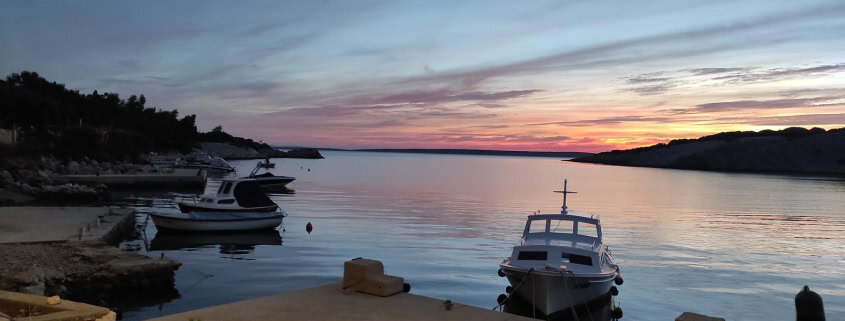
Šimuni Harbour and the relaxed seaside spirit of Pag

If you are planning a visit, here are a few local tips on where to eat, stay and make the most of your time in Šimuni.

Where to Eat

Food is central to life here, shaped by the rich produce of the island. Fresh seafood, island lamb, fragrant olive oil, local wine and the famous Pag cheese (Paška sirana), one of the island’s proudest culinary traditions and an internationally award-winning Croatian cheese, all reflect the distinctive flavours of this part of Croatia.

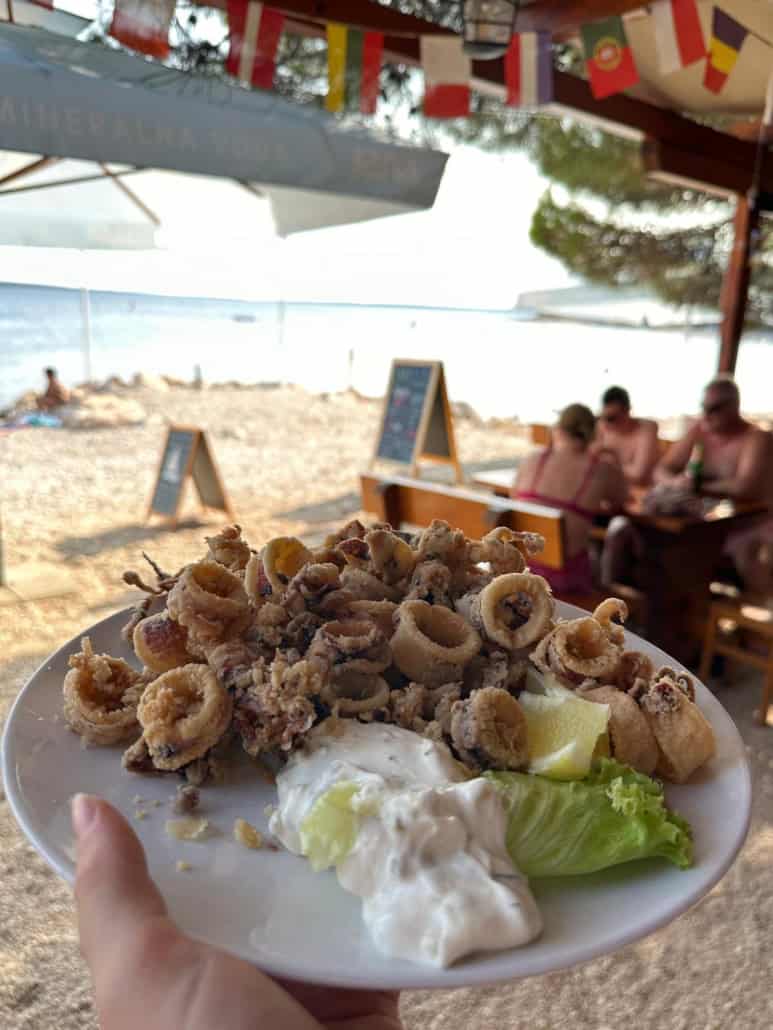
One place to enjoy that local flavour is Leut Beach Restaurant Šimuni, a relaxed waterfront restaurant known for fresh seafood, simple Mediterranean dishes and beautiful sea views.

Seaside dining at Leut Beach Restaurant Šimuni
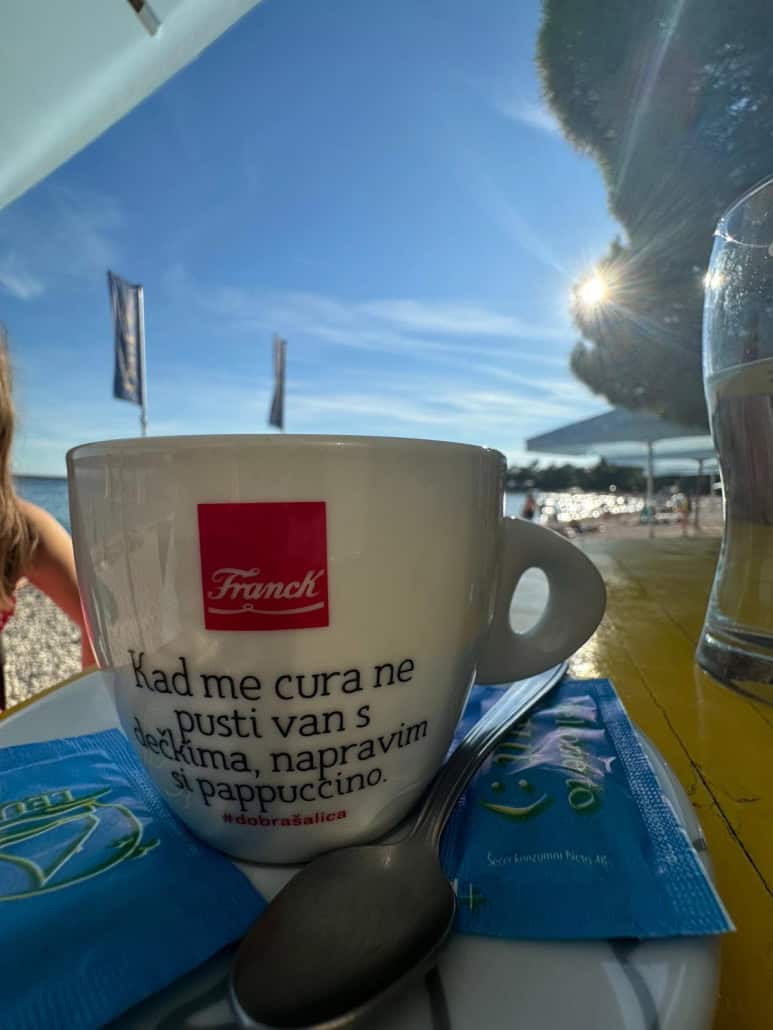
Coffee by the sea - Leut Beach Restaurant Šimuni
Coffee by the sea – Leut Beach Restaurant Šimuni

Where to Swim and Sunbathe

With crystal-clear waters and a beautiful coastline, the village’s beaches are ideal for families, offering calm sea, plenty of space and welcome shade from pine trees during the warmer months. Whether you are planning a full beach day or a quick morning swim, it offers a relaxed seaside experience away from Croatia’s busier summer crowds.

Crystal-clear waters and family-friendly beaches

Where to Walk

The village is also easy to explore on foot. A walk along the harbour, an evening stroll by the water or a wander through quiet village paths are all part of daily life here. Coastal paths lead through rocky landscapes and pine-covered trails, with beautiful views out to sea.

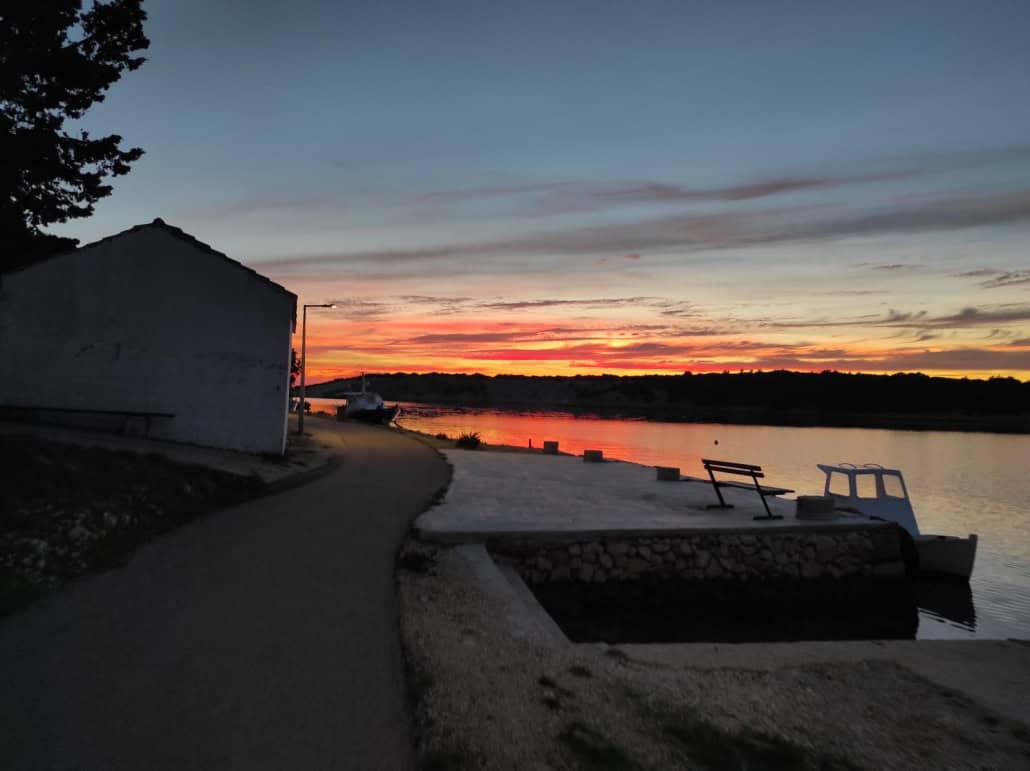
Evening walks along the coast

Where to Stay

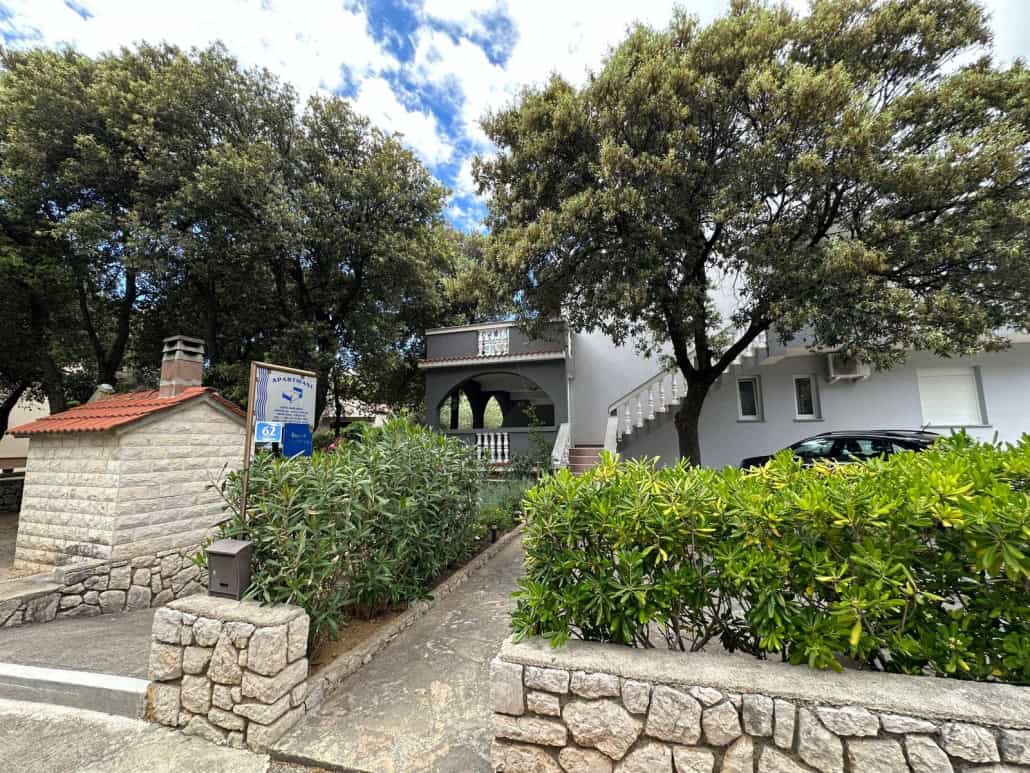
Šimuni is known for its warm, family-run accommodation, from small apartments overlooking the sea to welcoming guesthouses that offer a much more personal feel than larger resort destinations. Places such as Apartmani Brankica reflect that spirit well – simple, comfortable and closely connected to the relaxed local way of life.

Staying here means enjoying sea views, shaded terraces and the kind of local hospitality that makes visitors feel at home.

Family-run accommodation in Šimuni at Apartmani Brankica Šimuni

Taste Local Life

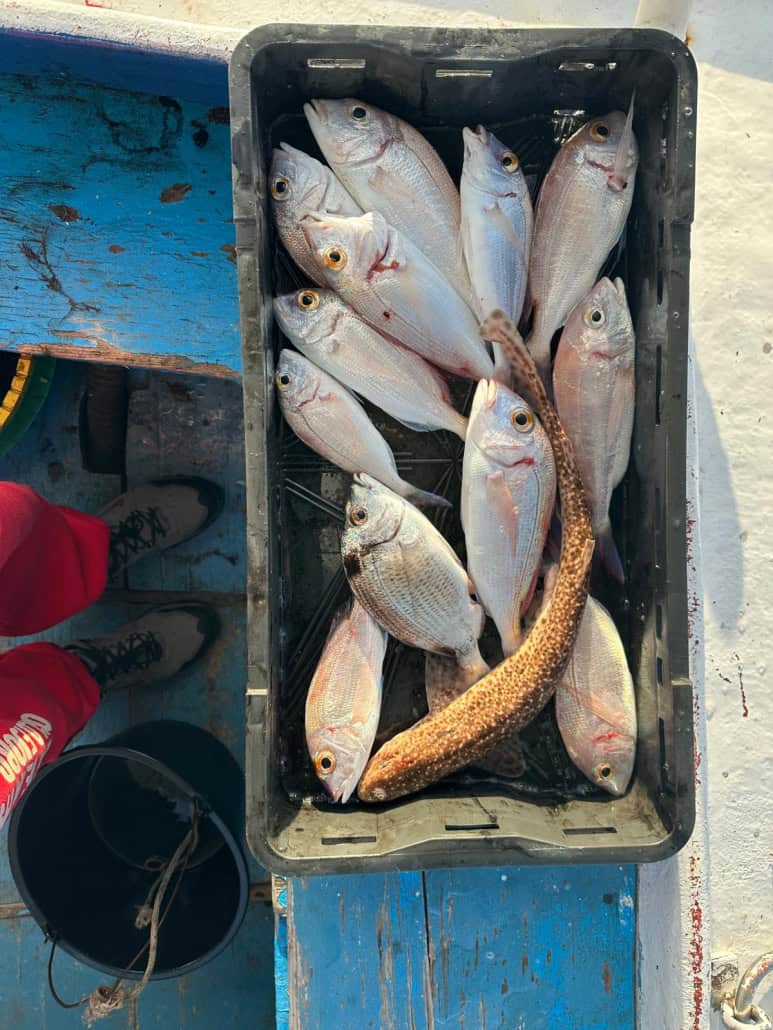
The sea remains at the heart of Šimuni. Small family fishing boats head out each day, returning with fresh catch that soon reaches local kitchens and local fishmongers (Ribara dva), centrally located in the village and, like most places here, only a short five-minute walk from wherever you stay. Fresh seafood remains an important part of everyday life here, reflecting the area’s long connection to the sea.

Fresh catch from local waters
Fishing trips in the local waters of Šimuni
Fishing trips in the local waters

Why Visit Šimuni

Šimuni offers a quieter side of Pag, with calm beaches, fresh local food and a warm village atmosphere. While summer is a wonderful time to visit, April, May, September and October are equally enjoyable, with pleasant weather, quieter beaches and a more relaxed pace. It is a place that has welcomed visitors for many years while keeping its strong family character.

Summer moments by the sea in Šimuni

Thank you for your wonderful write-up on this magical place!

Spotlight on: Galesnjak, Croatia’s heart-shaped island

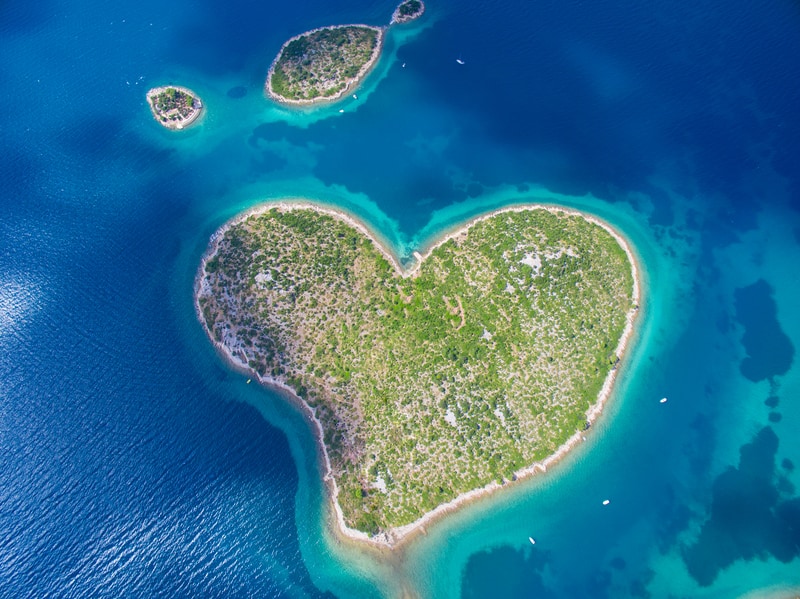
What could be better for Valentine’s Day than an actual island in the shape of a heart? I mean, imagine gifting that to someone! Technically you could, for a heart-shaped island exists in Croatia – the island of Galesnjak. And what’s even more impressive is that this island is naturally heart-shaped – no man-made interference here. Let’s learn more about Galesnjak, where it is and whether it’s possible to visit it.

The heart-shaped Galesnjak island in Croatia
Aerial view of the heart shaped Galesnjak island

The island has of course existed for a long, long time – but it was in 2008 when it became famous, “discovered” as it was by Google Earth and subsequently quite a bit of fanfare in the global press. And fair enough – it’s a good looking island, and what could be more charming than one in the shape of a heart?

About Galesnjak

Also referred to as the Island of Love or Lover’s Island, Galesnjak is actually located very close to the mainland in North Dalmatia. It lies in the Pasman channel, only 600 metres away from the mainland, in front of Pasman island and slightly north of the popular holiday town Biograd na moru. It has a total size of 132,000 square metres.

It is a privately-owned island and there is, essentially, nothing on the island by way of visitor facilities, amenities or similar. The island is largely covered by shrubs which gives it its appearance. A few years ago, part of the plant life was raised with the aim of beautiful olive trees being planted to improve the general romantic nature of Galesnjak.

The island has of course existed for a long, long time, and there is even evidence of life having existed on the island many centuries ago. It was first recorded on maps in the 19th century; however, it was in 2008 when it became famous, “discovered” as it was by Google Earth and subsequently quite a bit of fanfare in the global press. And fair enough – it’s a good looking island, and what could be more charming than one in the shape of a heart?

Here is what Galesnjak looks like on Google Earth now:

g

Visiting Galesnjak

As a privately-owned island, Galesnjak is closed to visitors generally…unless you are able to organise a private (in other words, rather expensive) trip of some sort. There have been rumours that celebrities such as Beyonce and Jeff Bezos have visited and held parties on Galesnjak because…well, if you have that level wealth, why wouldn’t you?

You are of course permitted to sail near to the island to view it – although, again, you would need to do so on a private tour which would also see you visiting other small islands and nearby locations. Take a look at some of the following private boat tours from Zadar that are available:

Powered by GetYourGuide

Okay, what about…owning Galesnjak?

Part of Galesnjak was up for sale a few years ago. You could have bought 40,000 square metres of the island for a cool €13 million. Understandably, it’s unknown whether the sale went through or not.

Location of Galesnjak, the heart-shaped island in Croatia
A view of Galesnjak (you can see where parts of the island have been razed) and its location close to the mainland

More info

You can discover more about Croatia’s heart-shaped island on the website of Pasman Tourist Board

Given its shape, Galesnjak gets a fair amount of press. Have a read of some articles: Is This the World’s Most Adorable Island? (Conde Nast Traveler, September 2014); Perfect Valentine: Part of Croatia’s heart-shaped island up for sale (Reuters, February 2023)