
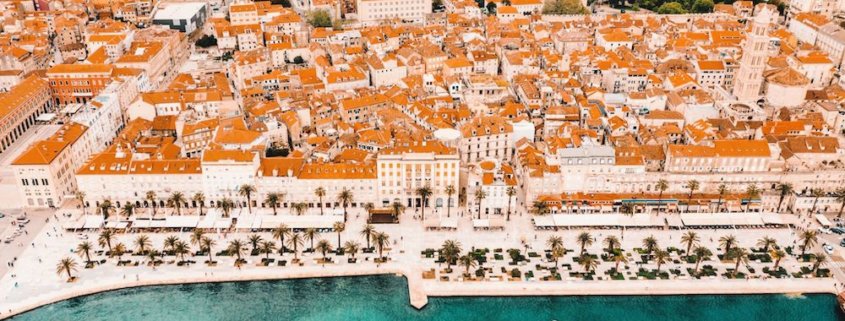
Split is the second largest city in Croatia, with just over 200,000 inhabitants, and is the largest city on the Adriatic coast. Once merely considered by some as just transit point – with excellent transport connections by bus, sea, air and train, it’s easy to travel to and from the city – it is deservedly becoming a destination in its own right.
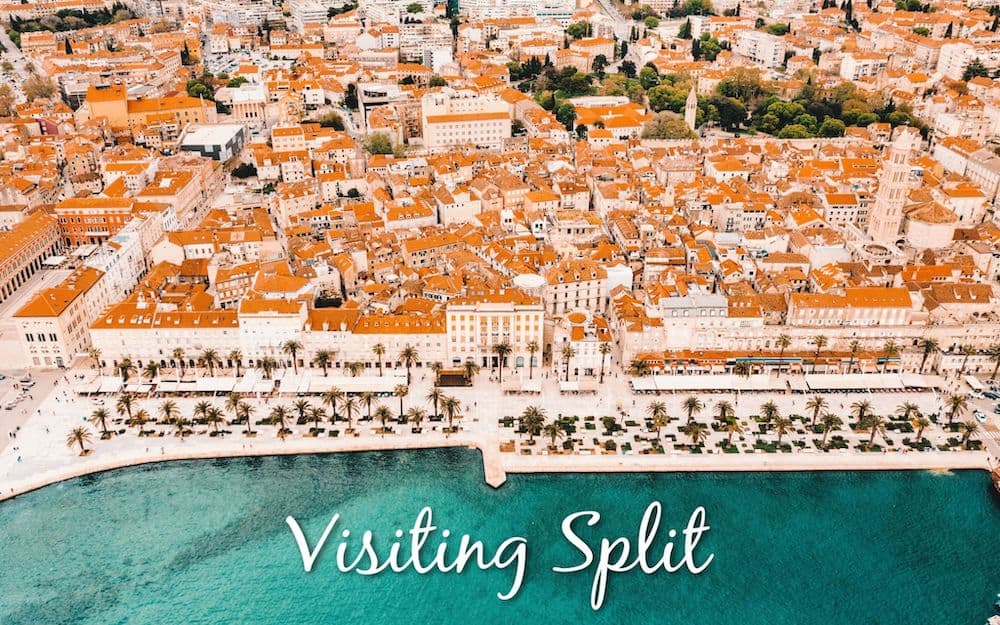
There are some fantastic sights in the city, both Roman and more modern, excellent options for dining, drinking and nightlife, plenty of beach opportunities and lots of choice for those wanting day trips. Split is much loved by visitors these days!
Here’s a great video guide to 36 Hours in Split from the New York Times – this really gives a feel for the city, as well as providing great tips on what to see and do!
Information on Split
Here are our pages on Croatia’s second largest city:
- Getting to Split
By air from the UK and Europe, and other travel possibilities by bus, train and ferry - Getting to and from Split Airport
Transferring between the airport and the city by airport bus, local bus and taxi - Public Transport in Split
Getting around the city (and nearby) by bus, train, boat and other options - Sightseeing
The top sights, including Diocletian’s Palace - Eating and Drinking
Tips for the best place to grab a bite or get a cold beer at - Two Days in Split
Spending 48 hours in this fine city! We’ve planned your whole trip for you! - Guided Tours of Split
Sightseeing, walking and activity tours – kayaking, white-water rafting, and sailing – in and near the city - Day Trips from Split
Options for visiting areas and towns close by, such as Trogir, Solin, and the islands of Solta and Brac - Day Trips from Split to Bosnia and Hercegovina
How and why to visit Mostar, Medjugorje and Sarajevo in Bosnia - Events
Annual events and festivals - Useful Tips
Sightseeing, money exchange, free wifi, left luggage and more… - The People of Split
Read up about the city’s fun-loving inhabitants, as well as the city’s famous sons! There’s also details about the intriguing beach game, picigin - History
The city’s had quite a history, with its main beginnings as a Roman Emperor’s palace - Map of Split
Scrollable and searchable map
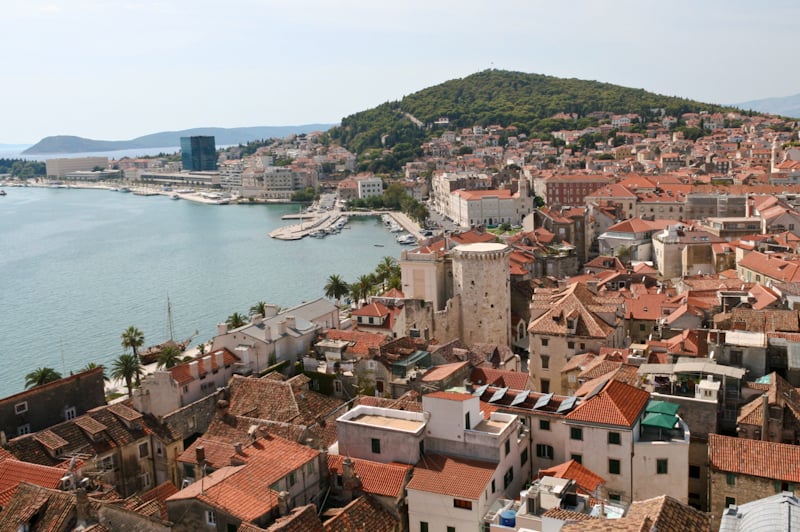
Accommodation in Split
All types of accommodation – hostels, hotels, apartments and private accommodation – are plentiful in the city, with something for all budgets and tastes. See our Accommodation guide or search using the map below:
General info
The area code is 021.
The tourist office is located at Obala hrvatskog narodnog preporoda 7, 21000 Split, Email: info@visitsplit.com, website: www.visitsplit.com.
Additional info
More info can be found at the Tourist Office website.
Travel Agencies
Explorer Club offer weeklong itineraries taking in the best sights, activities and tastes this part of Croatia has to offer. They also arrange luxury sailing holidays, bike & yacht cruises of the Dalmatian islands, plus a Plitvice Lakes Escape.
Split Sea Tours Highly rated agency run by locals with years of experience, they offer lots of boat tours to local islands (including the very popular ‘five island’ tour which visits the Blue Cave) as well as excursions on the mainland and adventure options.
Split Tours Accommodation, catamaran & ferry lines and more!