Posts

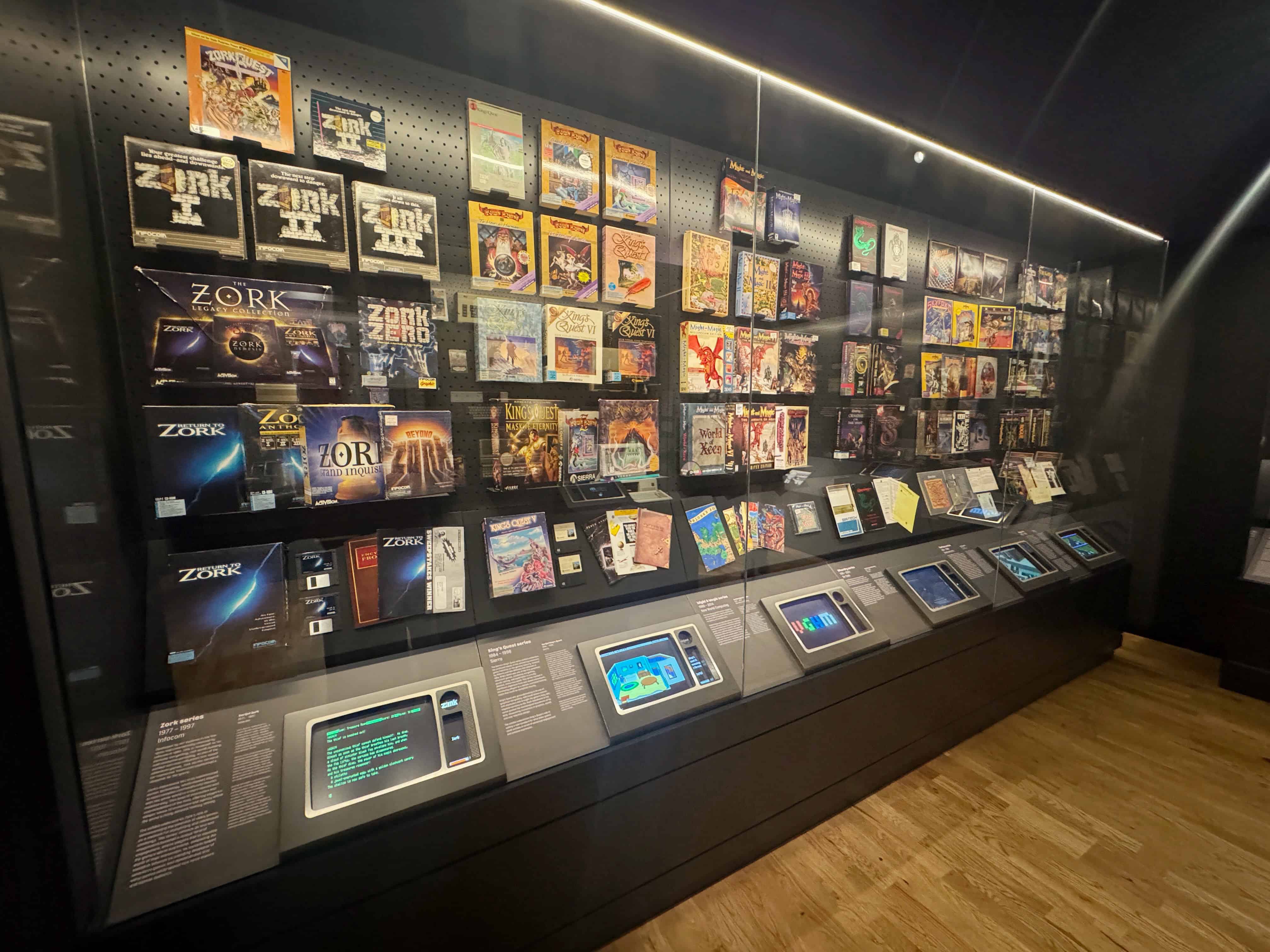
A display of games from the 1980s in the Video Game History Museum in Zagreb, Croatia

Visit Croatia Review: Video Game History Museum, Zagreb

I’ve written many times about how Zagreb has a very extensive and fun museum offering. The city offers visitors and locals alike everything from more traditional venues (concentrating on history and art, for example) to more modern museums covering heartbreak, hangovers and errr…selfies. A new kid on the Zagreb festival scene is the Video Game History Museum, which opened last year. I was lucky enough to pay this fine museum a visit recently – see what I thought here!

A display of games from the 1980s in the Video Game History Museum in Zagreb, Croatia
Some of the video games from the 1980s

First impressions

Located very centrally on Draskovic Street, a short walk from the main square, this museum is on multiple floors and flows through the decades of video gaming history.

The two main floors cover multiple viewpoints on the history of video games, with impressive timeline displays, many games and consoles, and even little “rooms” showing a typical teenager’s room from the 1980s, 1990s and 2000s – each “in” a different city.

What’s important to remember is that this museum hasn’t suddenly been magicked up in the last year. All of the items presented here are part of a private collection by museum owner Damir Šlogar, himself a video game pioneer. As such, it’s a seriously impressive series of items. Read more about how the museum came to be here: New in Zagreb – The Video Game History Museum.

The focus of the museum is to tell the story of gaming, of course, but also the story of gaming publishers and designers and gaming hardware through the ages. And that it certainly does.

Let’s go back in time

Now, when did video games first emerge? The 1970s, right? Before they really burst into the mainstream with home gaming in the early 1980s?

Not quite! Thanks to the museum, I learned that one of the very first video games ever created was Tennis for Two, which launched in 1958. Yes, 1958! There’s a replica version of the game in the museum, comprising of an analogue computer with multiple dials as controls and an oscilloscope for a display. This game is both far removed from what we know, but also vaguely familiar!
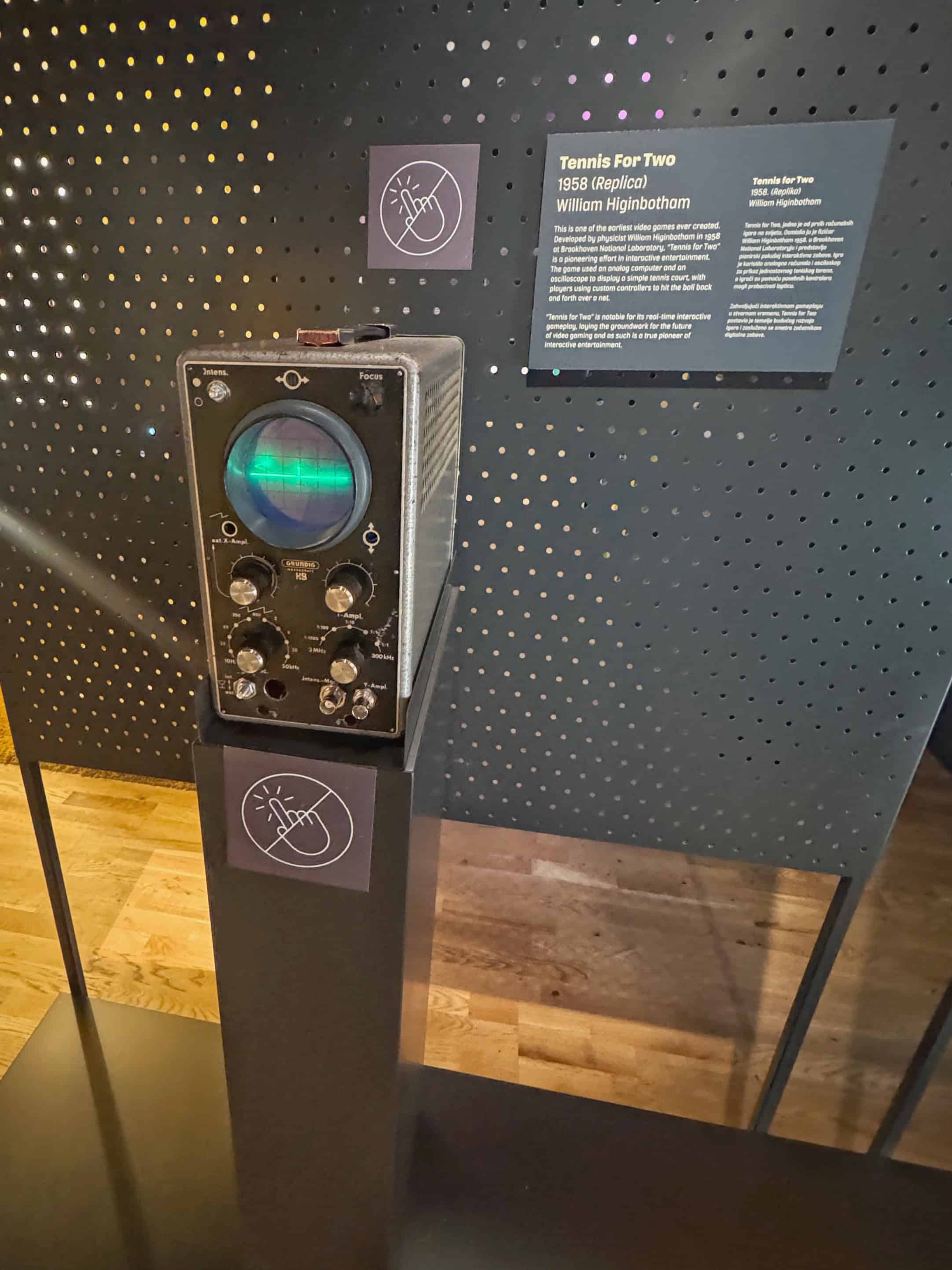
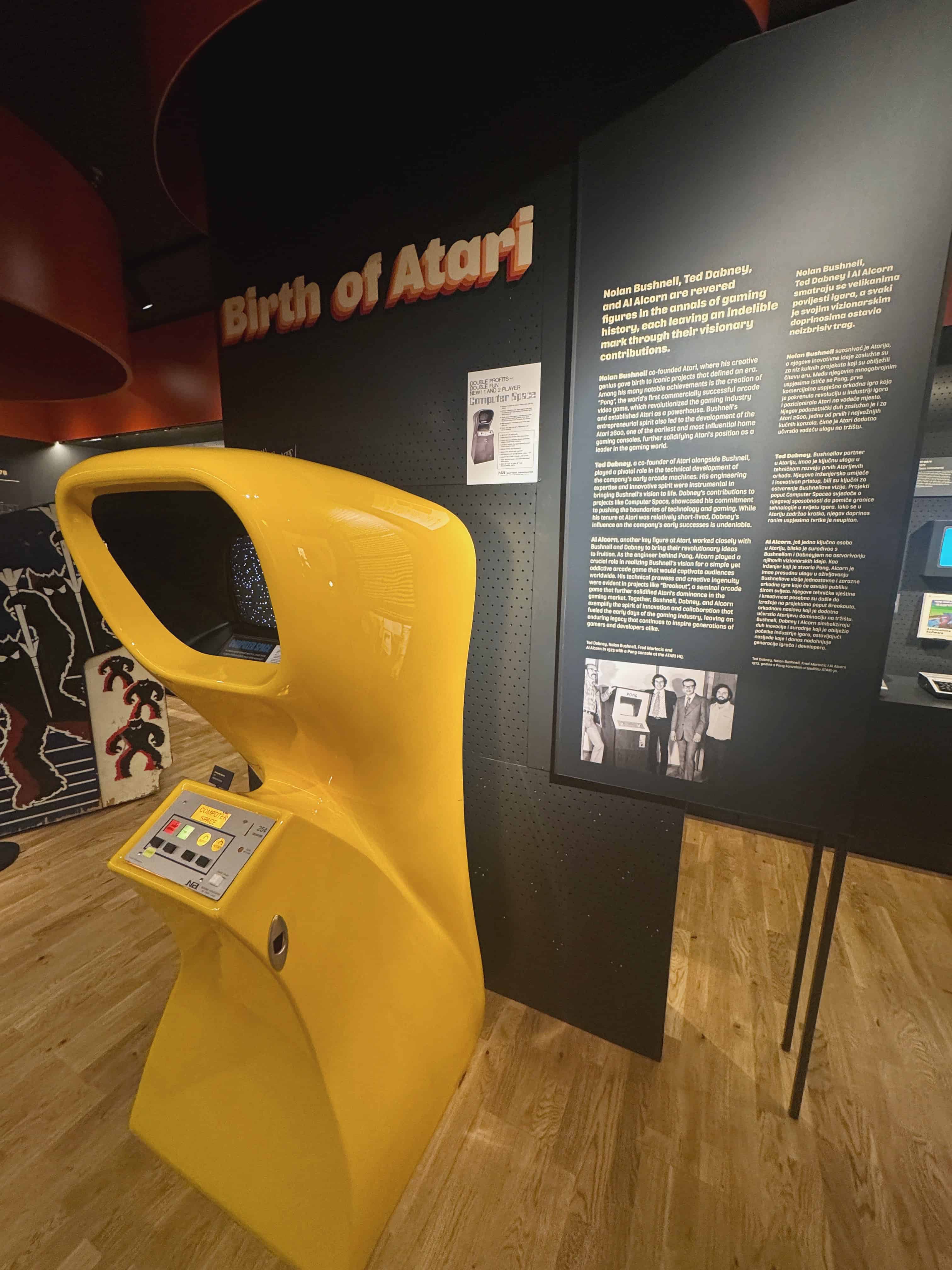
But there are also other early games before something like Pong came out, namely Spacewar! (1961) or Computer Space (1971). Know of them? I didn’t, and was surprised to see the familiar but also strange shape of Computer Space, the very first arcade machine.

But this museum, of course, devotes much of its displays to very well-known games and hardware. From Atari, BBC Micro, Sinclair’s ZX Spectrum, Apple Computers, Commodore machines and Space Invaders, Donkey Kong, Breakout, Lemmings in the early days to Nintendo, Sega, PlayStation, Xbox, Snake on mobile phones… I mean, I’m barely scratching the surface of what the museum is home to. You’ll just have to pay a visit yourself to find out!

Game away, friends

Of course, a museum dedicated to gaming history wouldn’t be particularly exciting if it were just a long line of display cases with everything locked away behind glass. The fantastic aspect of this museum is that there are so many interactive elements, with multiple consoles and games being able to be played!

In particular, there are two very, very cool highlights. First up, there’s a giant projected Pac-Man that would be great fun to do battle on with a buddy. Secondly, there’s what can only be loosely described as an arcade hall of fame room. Eleven full arcade machines stand side by side proudly, ready for you to play. I was delighted to see one of my childhood favourites, Bubble Bobble, there. I had to be dragged away from playing it for too long!
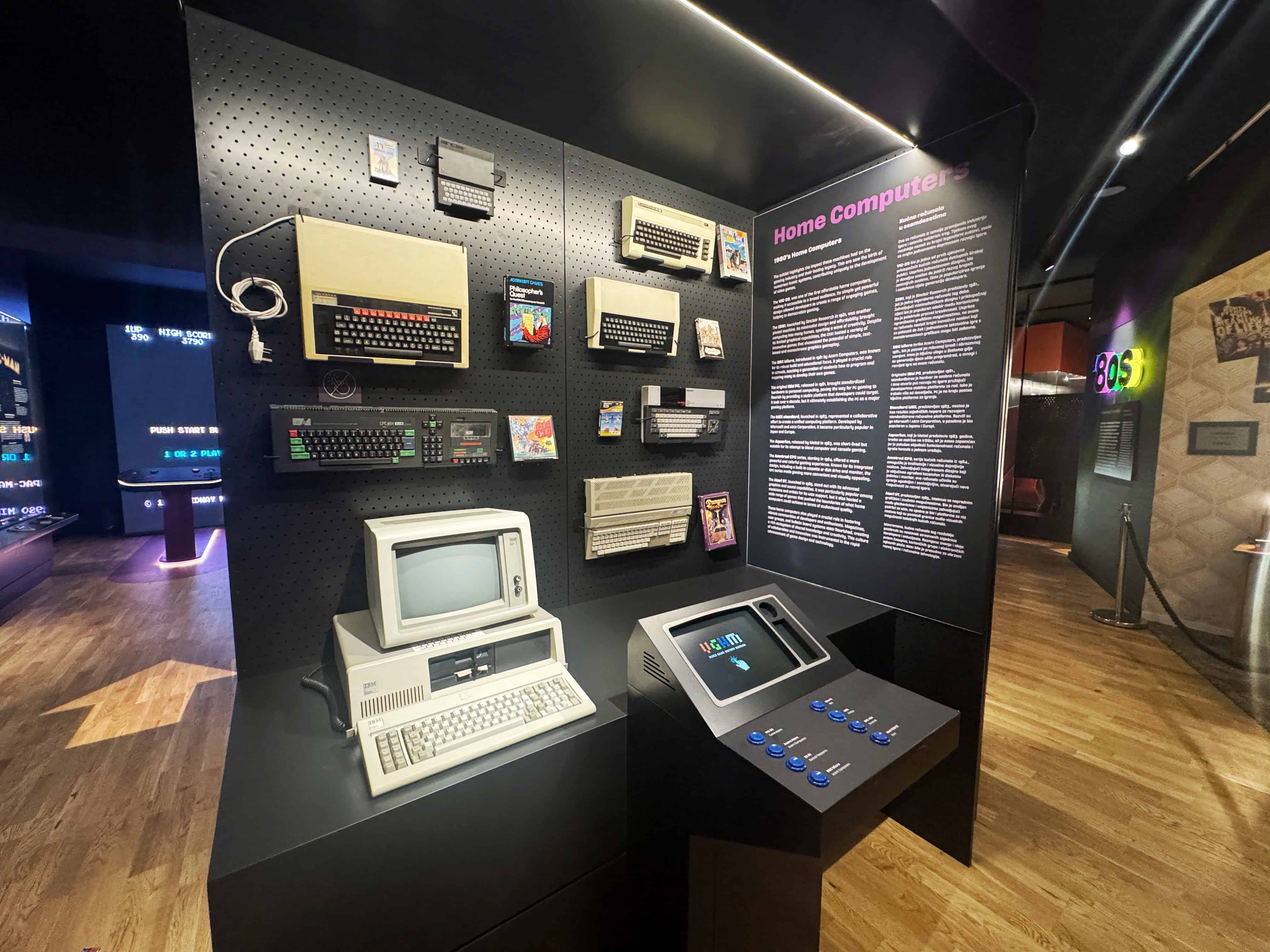
1980s Home Computing at the Video Game History Museum, Zagreb Croatia
Home gaming in the 1980s – you can see the giant Pac-Man just to the left

Pong? Were people excited by this?

Now, I personally am super nostalgic for the history of gaming in the 1980s, especially as that’s when I was a child. But I can absolutely see how you younger lot might be underwhelmed by these early, rather basic (but very charming!) games. So the second floor instead might tug on your heartstrings, as the museum moves into gaming history from the 1990s and 2000s. A giant Mario and Luigi greet you before you walk through an astonishing array of famous titles and consoles. It’s amazing to see just how many different bits of hardware were released in the 1990s – some very famous and successful, and some somewhat of a failure.

There are also some long-forgotten but important elements of gaming history that are oh-so relevant today. For example, the Virtual Boy machine which was released by Nintendo in 1995, one of the earliest examples of virtual/3D gaming. (The machine was discontinued after only a year due to high production costs and lack of third-party support.)
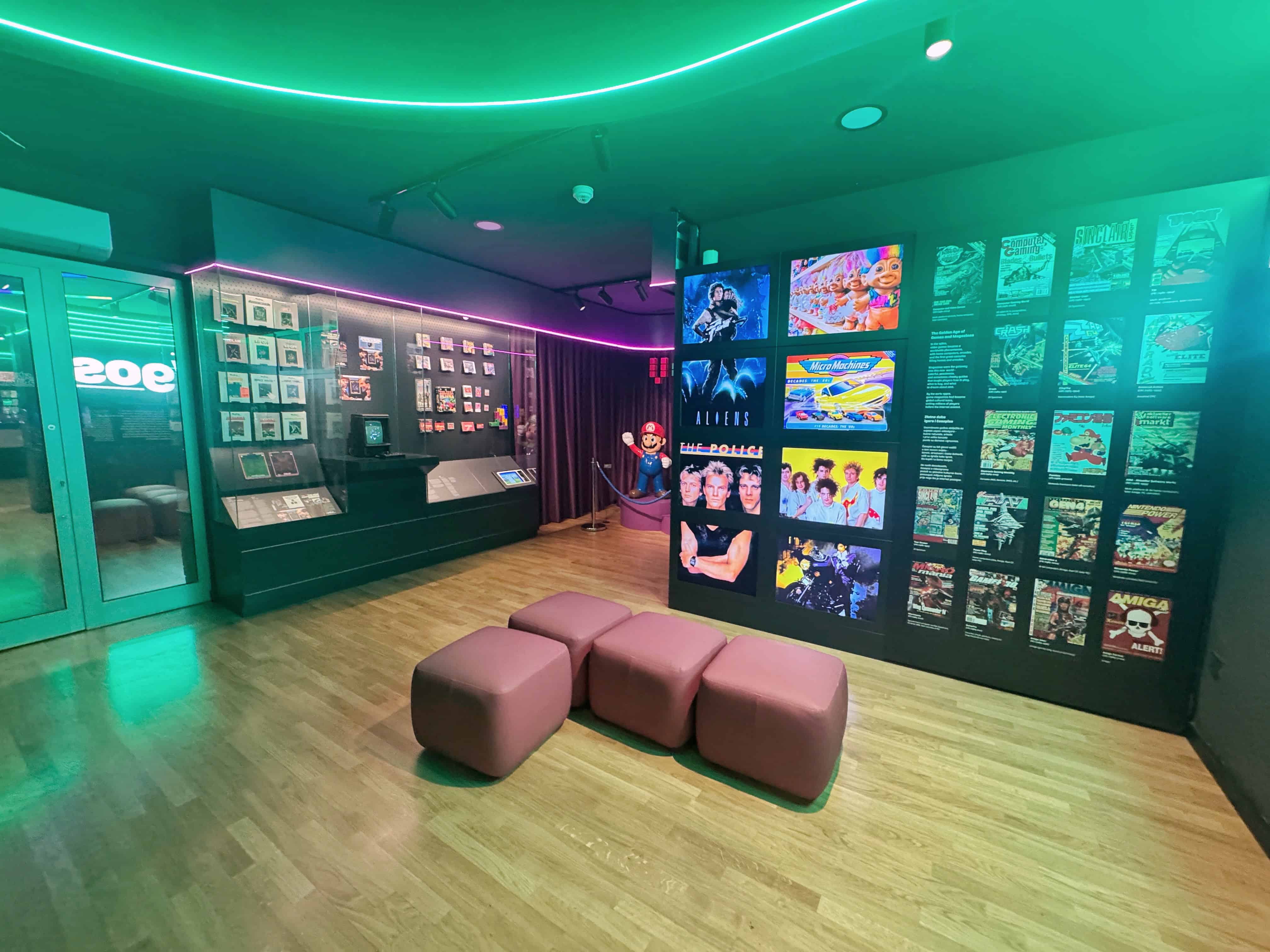
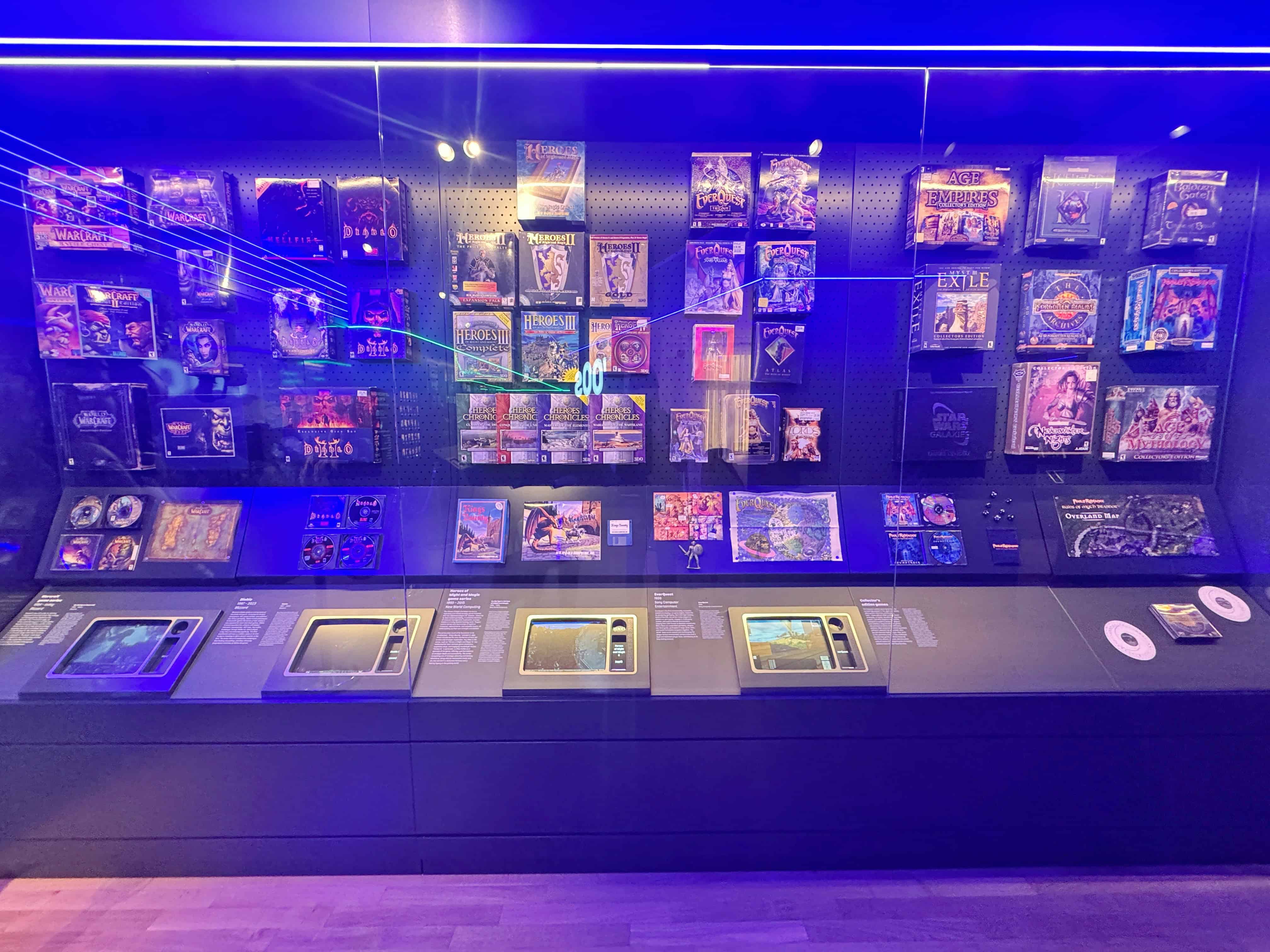
Video Game History Museum, Zagreb Croatia
Moving on to the 1990s and 2000s…
1990s games at the Video Game History Museum, Zagreb Croatia
Just look at the games from the 1990s

Eh, I’m not so much into video games, I don’t think it’s for me

If you’ve ever encountered a computer, video game or video game character over the last 40 or so years, you’ll definitely still get something out of this museum – I promise you. It’s a real nostalgia trip, even if you’re not a big video gamer! Case in point – I visited the museum with my mum, who’s never played a video game in her life. But even she remembers a lot of the consoles and characters that we’ve had at home over the years.

Now, I would loosely describe myself as a gamer with gaming highs and lows over the decades. Whilst I was lucky enough to have home experience of computers in the 1980s (thanks to my father, who was the founder and publisher of Europe’s first computer magazine, Personal Computer World), it was mobile gaming in the 1990s that really piqued my interest. Thanks, original Game Boy! (And then the Game Gear a few years later.)
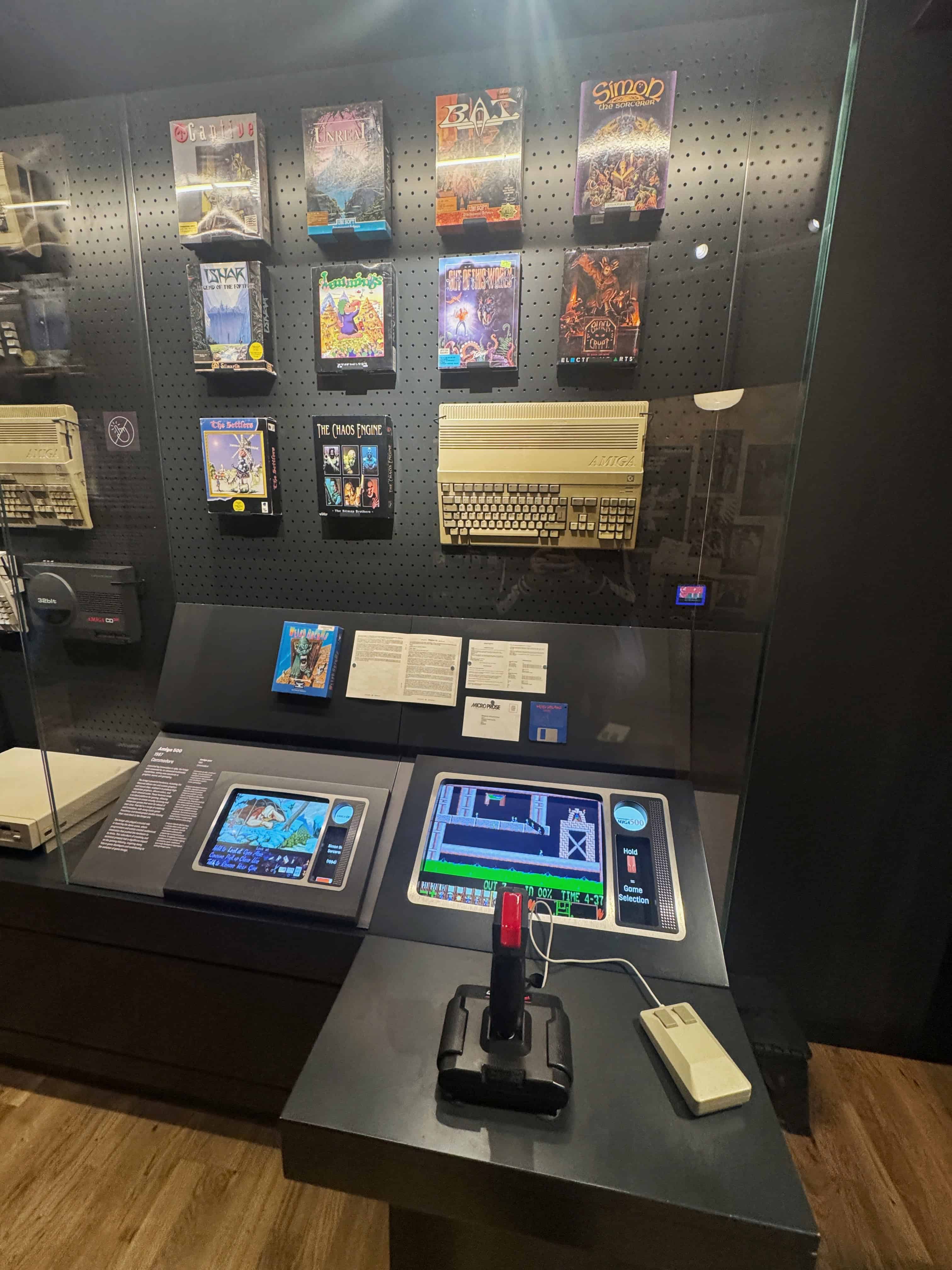
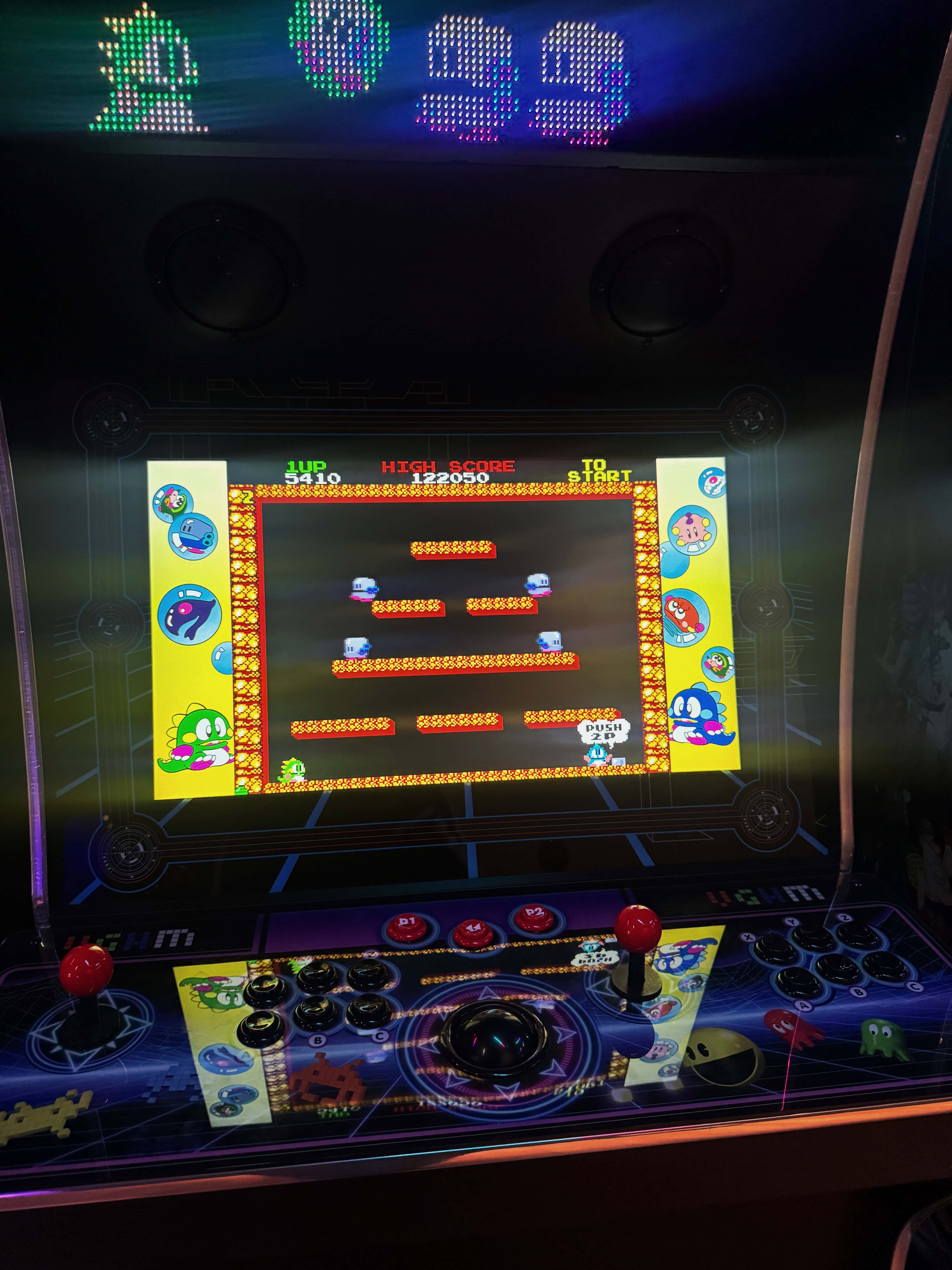
So, should I visit the Video Game History Museum in Zagreb?

Absolutely! It is a very fun museum to visit. It offers a real combination of teaching you something, providing you with lots of memories and allowing you to fully interact with many of the exhibits. Play your heart out with the video games of your childhood!

More info on the Video Game History Museum

Find out all there is to know about this museum on the official Video Game History Museum website.

The museum is open 10am to 8pm on Tuesdays, Wednesdays, Thursdays and Sundays and from 10am to 10pm on Fridays and Saturdays, It is closed on Mondays.

Tickets cost €15 for adults and €12 for kids/seniors/concessions. Children under 5 get free entry.

Pac-Man display at The Video Game History Museum in Zagreb

New in Zagreb – The Video Game History Museum

Visitors to Zagreb will already know that the city has an excellent selection of museums, from the traditional venues covering history, culture, art and similar to far more quirky offerings. Many of these excellent museums are incredibly interactive, meaning that visiting them is not only a learning experience but also super fun! And now there’s a new kid on the museum block in Zagreb – the Video Game History Museum. It’s an absolute must for anyone into gaming, computers, technology…or just having some fun!

Pac-Man display at The Video Game History Museum in Zagreb

What can you see and do at the Video Game History Museum?

The Museum focuses on the evolution of video games and gaming right from the 1960s to the early 2000s. As you can imagine, that’s quite a journey through gaming history! Covering a space of 800 square metres over three floors, the 3,000 items that are exhibited allow you to explore influential games and hardware in gaming history, as well as giving you the chance to learn more about important designers and publishers in the gaming industry.
Visit the museum to see many rare and iconic games and gaming artefacts; you’ll also be able to immerse yourself in one of the largest collections of computer games in the world!

Video Game History Museum in Zagreb

Explore the early days of gaming – from amusement arcades and simple home games such as Pong, to gaming in the transformative days of the 1980s, when home consoles became more commonplace and iconic games such as Pac-Man were launched. Move on to the 1990s, the decade that saw groundbreaking consoles such as the Sony PlayStation and the Nintendo 64 introduced, as well as iconic franchises emerging. Step through into the 2000s and the modern era of gaming, which includes everything from the exciting launch of innovative consoles to the rise of mobile gaming.

Throughout the decades that the museum covers, you can also learn more about the impact of video games on contemporary culture and life. Video games are everywhere these days – from something that only interested a small group of tech specialists, or that was supposedly targeted to kids – almost all of us walk around with a device in our pockets that can access thousands of games with just a fingerpress.

Many parts of the museum involve interactive elements and multimedia displays – what better way to learn about the subject matter? You’ll be able to play some of the most popular early gaming titles – including Space Invaders (launched in 1978), Asteroids (1979) and Pac-Man (1980).

Arcade machines at The Video Game History Museum in Zagreb

Astonishingly, you can even witness one of the rarest video game titles of all time – Tennis for Two (1958) – as well as one of the very first commercially available video games, Computer Space (1971).

The museum also often hosts special events, workshops and lectures on gaming history and gaming innovation, often featuring industry experts. Keep an eye on the Museum’s social media channels for news!

The Video Game History Museum in Zagreb

About the Video Game History Museum

The Museum is the brainchild of Damir Šlogar, a Croatian IT entrepreneur who has worked in the global gaming industry for over four decades. He started his career in the 1980s, developing games for platforms such as MSX and the Commodore Amiga before eventually moving on to game development in North America, where he contributed to more than 150 titles, including renowned franchises such as Shrek, Barbie, and Battlefield.

In 2004, Damir founded Big Blue Bubble, a Canadian video game company. It gained international acclaim with titles such as “My Singing Monsters” which reached over 100 million players worldwide.

Damir has returned to Croatia – to his hometown of Zagreb – and founded this museum, investing €2 million in the impressive project. Many of the items exhibited in the museum are from Damir’s personal collection, amassed on two continents since childhood.

The Video Game History Museum in Zagreb

Tickets for the Video Game History Museum

Tickets are priced at €15 for adults and kids aged 15+, or €12 for kids aged 5 to 12 years, or for concessions. Children aged 5 and under go free. A ticket to the museum is valid for 2 hours.

Tickets can be purchased ahead of time at en.vghm.hr.

The museum is open from Tuesday to Sunday, from 10am to 10pm each day,

More info

You can learn all there is to know about this new museum on the official website en.vghm.hr.

Do also take a look at what others think about it (spoiler: they love it!) on TripAdvisor.

Museum of Illusions in Zagreb

Museum of Illusions in Zagreb – Visit Croatia Review

One November morning, Visit Croatia popped along to the Museum of Illusions in Zagreb to enjoy the illusions and tricks on the eye in this relatively new museum. See what we thought!

Visiting the Museum of Illusions in Zagreb

A rainy, grey Saturday morning in Zagreb is an ideal time to visit a museum – especially a relatively new one, and a quirky one to boot. It seems like many other people in Zagreb had the same idea that morning, judging by the queue to get into the Museum of Illusions and the number of people inside! * (see note below)

Luckily, the entrance down a small covered alleyway provided shelter from the rain…and the queue moved pretty quickly anyway. We were into the museum and ascending the stairs to the first floor of the museum swiftly.

Museum of Illusions in Zagreb
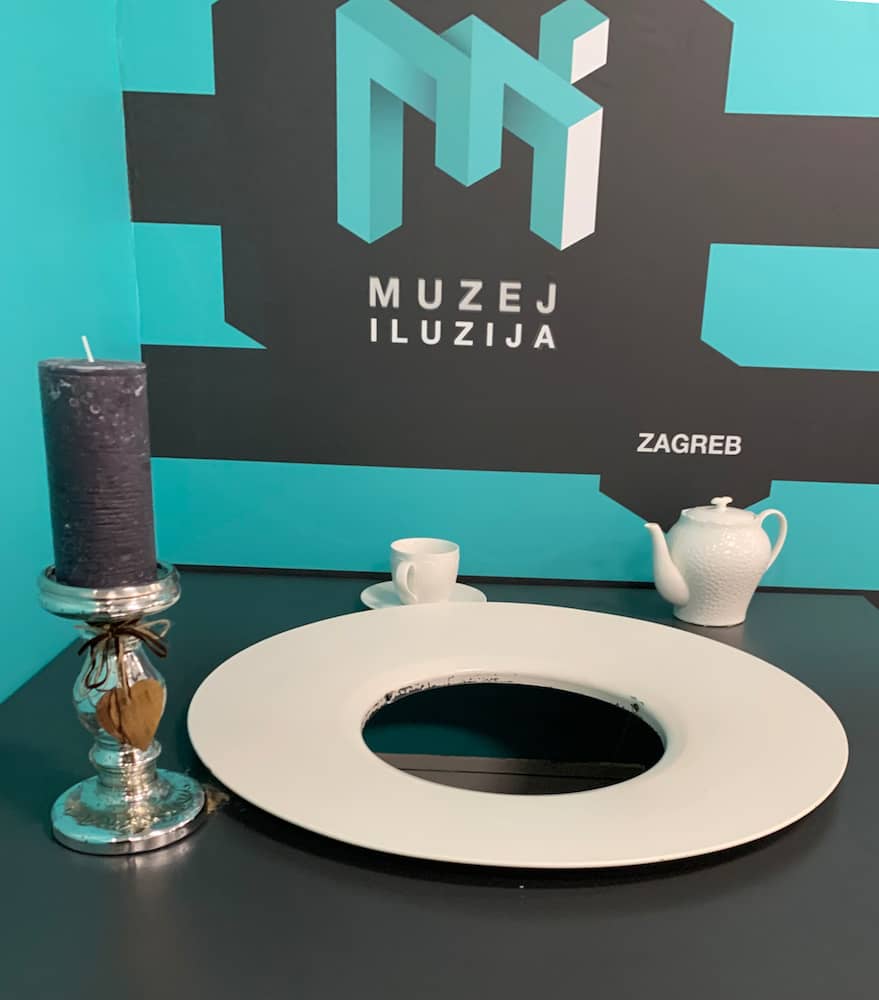
The ‘head on a platter’ (without the head!)

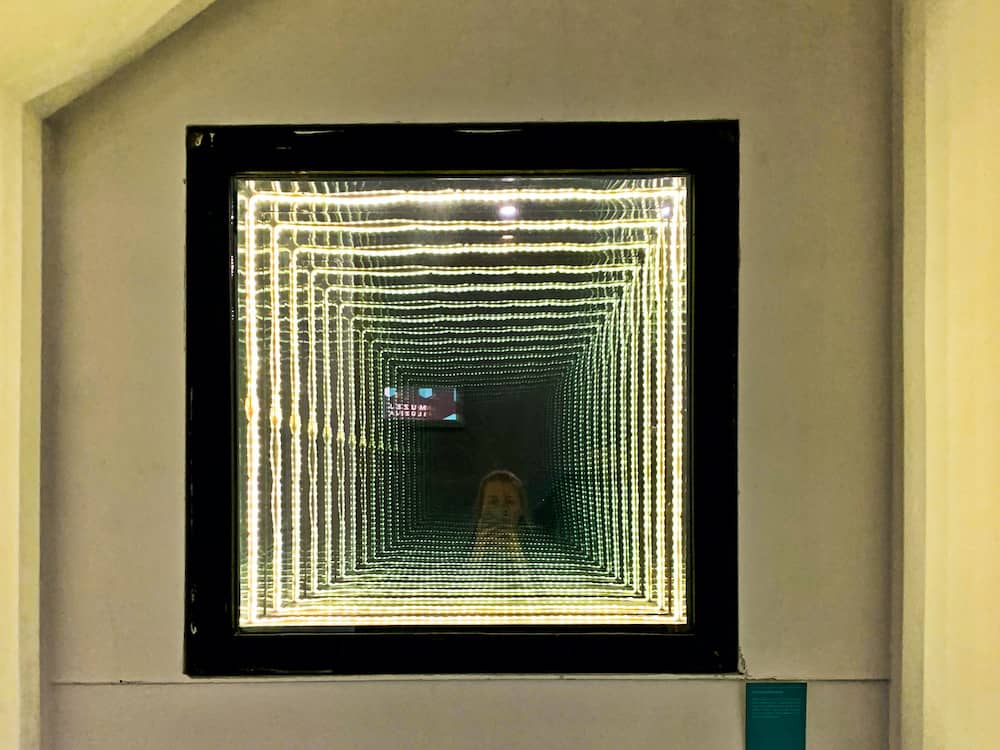
Here on the first floor, you have a number of the smaller exhibits, such as the clone table (where you can play cards against several versions of yourself!); the ‘head on a platter’ trick (you can be served up as a dish!); the infinity room (a closed room of mirrors, giving the appearance of multiple versions of the room’s occupants that stretch out seemingly forever! An ideal space for ‘pulling some shapes’…); and the ‘tricks on the eye’ optical illusions. I’m not giving the game away by revealing any of these exhibits here, by the way, as they really need to be seen to be ‘believed’ and are far more impressive in real life rather than just being written about!

Heading on up to the second floor, there are some of the ‘larger’ illusions – including the anti-gravity room, where it seems gravity’s gone haywire; the Ames room, where two of you can become giant and miniaturised versions of yourselves; and the rotated room, where the world has been rotated by 90 degrees. The kaleidoscope is also super fun – where you get to be in a large kaleidoscope!

Museum of Illusions in Zagreb
The Bottomless Pit Illusion

When we were there, the museum was very busy indeed and it was sometimes difficult to get to see and interact with all the exhibits, as well as take the appropriate funny snaps. But that’s of course a reflection on the popularity of the museum – and if you’re patient enough, you’ll definitely get your turn with each exhibit. (Visiting with a little one in tow who dictated patience levels meant we had to zip through most exhibits quite quickly!)

Is it worth visiting?

Is the Museum of Illusions in Zagreb worth visiting? Yes, definitely. This is one of the city’s newer museums and belongs in the same boat as some of the more quirky ones – such as the famed Museum of Broken Relationships and the Zagreb 80s Museum, to name two. There’s plenty to occupy your time, with a number of optical illusions to interact with. We’d recommend going along with a friend or two to get the most out of tricks such as the Ames Room – or, at the very least, so you can get snaps taken as one of you performs the ‘tricks’ and the other is behind the camera! It’s certainly a very visual museum and you’ll get plenty of excellent photos to share on the ‘Gram!

As for age suitability…I went with my then 4-year-old child and I’d say it was a little bit too old for her. Sure, she liked the illusions involving mirrors and couldn’t wait to try out the ‘head on a platter’ trick (although most of the fun there for her was crawling through the small tunnel!) but she didn’t quite get the fun of most of the exhibits. I’d say the museum is more suitable for kids aged 7 and older, especially pre-teens and teens. And it’s absolutely suitable and fun for adults too!

Museum of Illusions in Zagreb

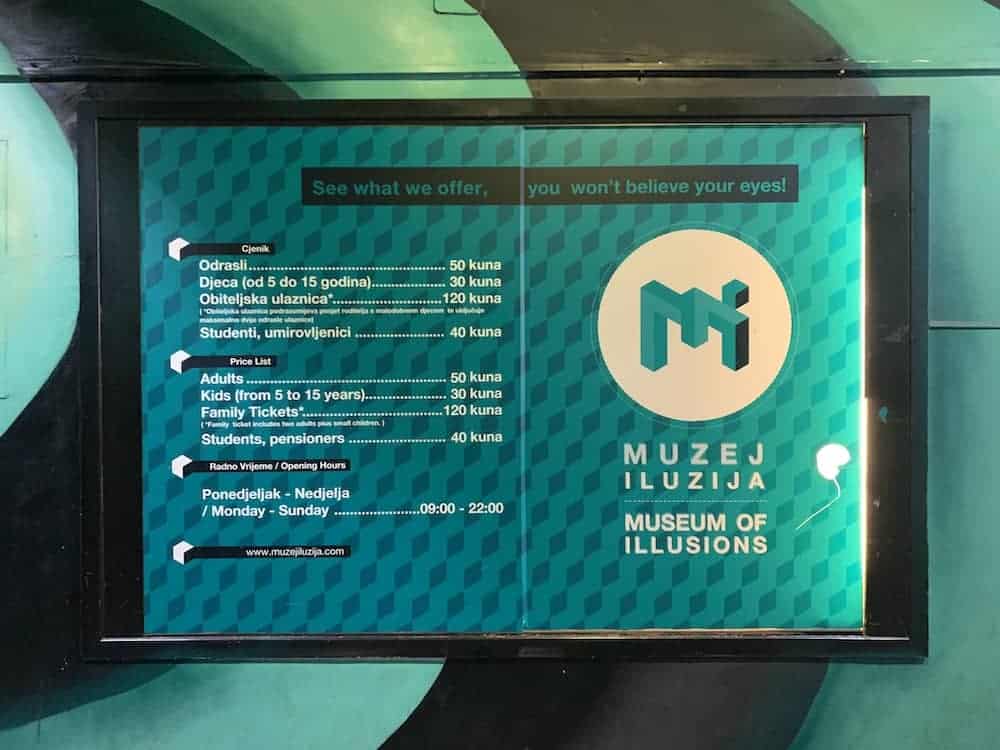
The museum is priced at a reasonable 50 Kunas for adults, 40 Kunas for students and seniors and 30 Kunas for children aged 5 to 15 years.

Museum of Illusions
Ilica 72
10000 Zagreb
muzejiluzija.com

* Note: Visit Croatia visited in November 2019, well before the pandemic and any need for social distancing. Please do check before visiting for opening hours and any visiting restrictions.

Zagreb 80s Museum Feat

Zagreb 80s Museum – Visit Croatia Review

If you’re anything like Visit Croatia, you have both a strong connection to the city of Zagreb…and are absolutely in love with the decade that is the 1980s. In which case, what could be a better museum for you to visit practically anywhere in the world than the Zagreb 80s Museum!

(No? Just me then?)

Well, even if neither of the above apply to you, read on…for this is certainly one of the most fun museums to visit in Zagreb!

Zagreb 80s Museum Sign

Visiting the Zagreb 80s Museum

If truth be told, this was definitely on my list of things to see in Croatia’s capital…but I actually stumbled across it during a walk in the Upper Town one November afternoon, having finally escaped the confines of the warm indoors after a lengthy and heavy rainstorm. Admiring the statue of St George as I have done a number of times before, I turned around…to be greeted by a bright and cheery sign with everything (well, not exactly everything) that is dear to me.

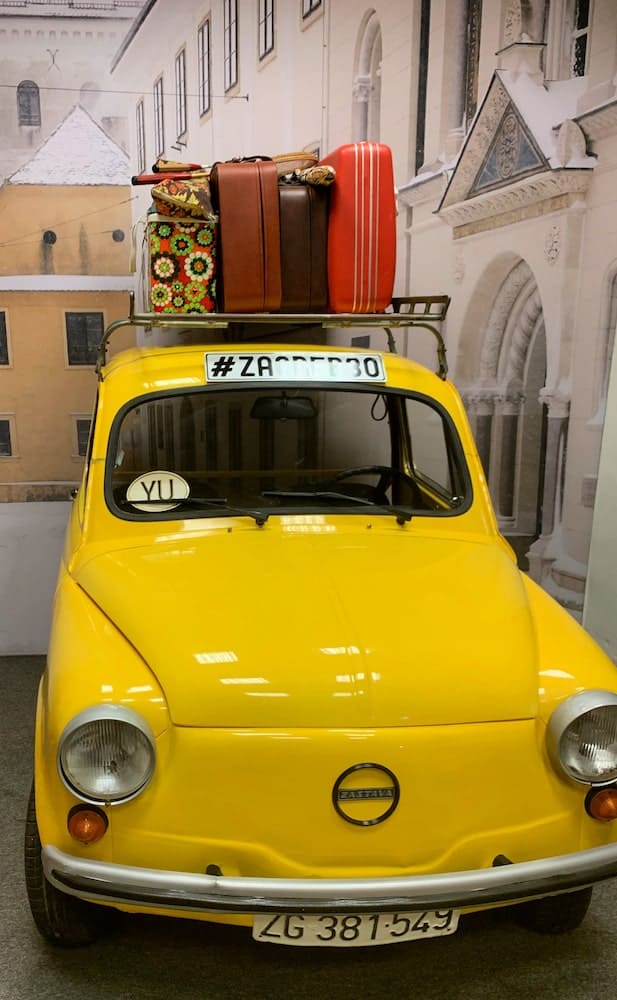
Climbing up the steps to what is basically a first floor apartment, you enter the museum’s small lobby area in what would ordinarily be a hallway. But this is a hallway with a difference, for it features half a yellow Fico car (a Zastava 750) practically emerging out of one wall. And you can climb inside for photos!

Zagreb 80s Museum Fico Car
The Fico car in the lobby…climb inside!
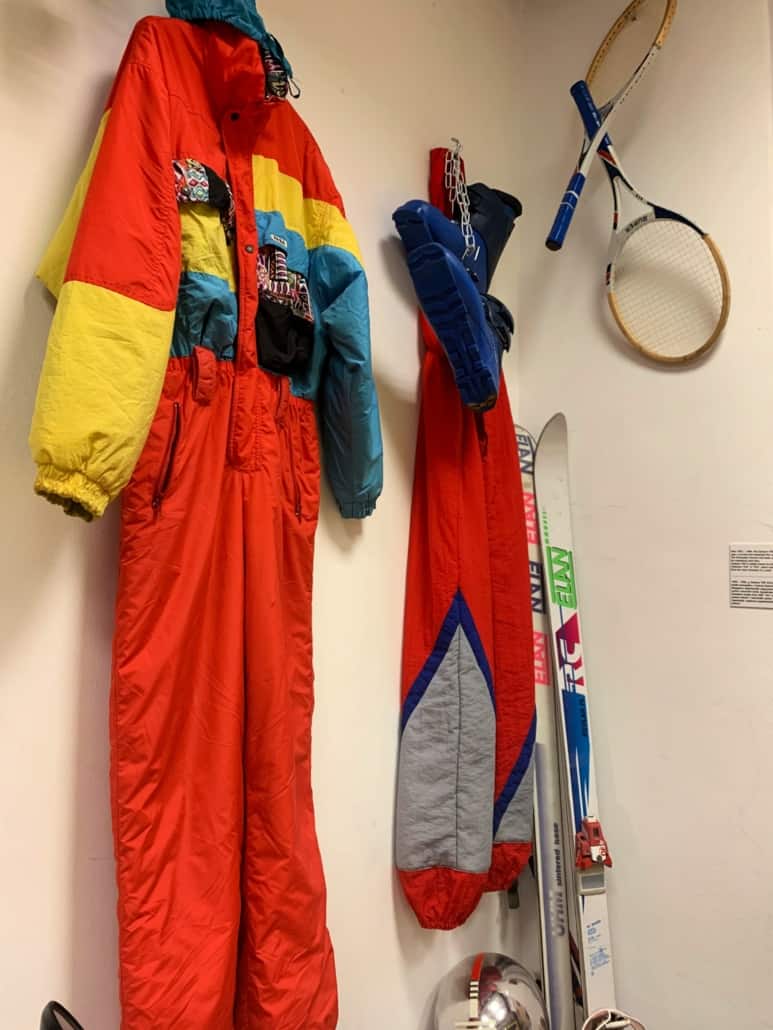
80s Ski Gear
80s ski gear

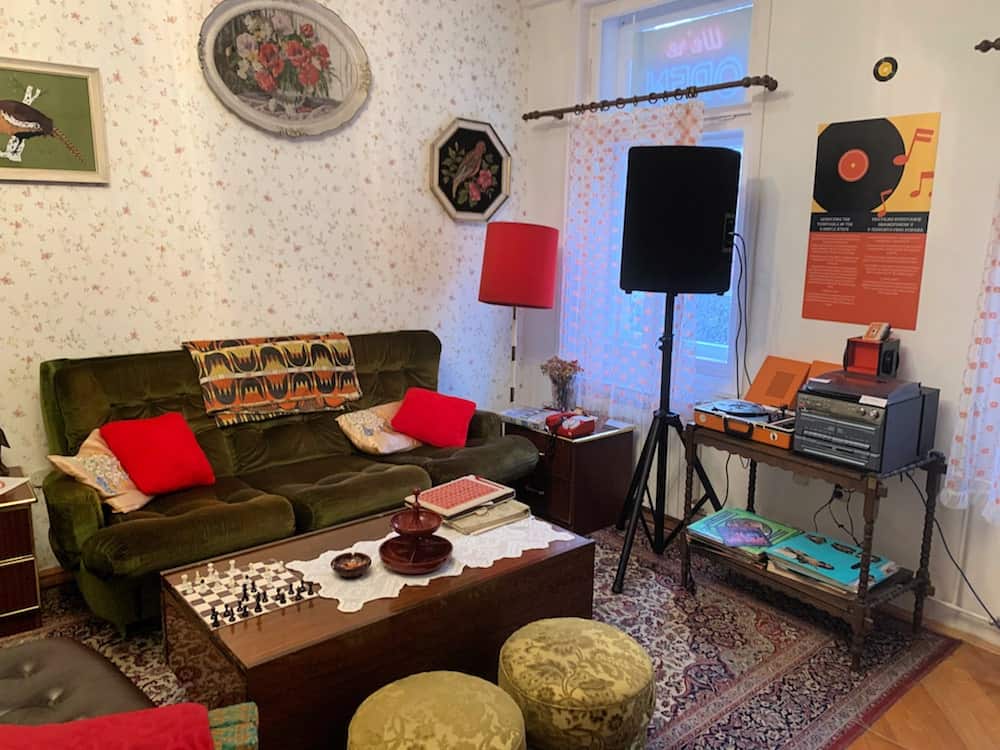
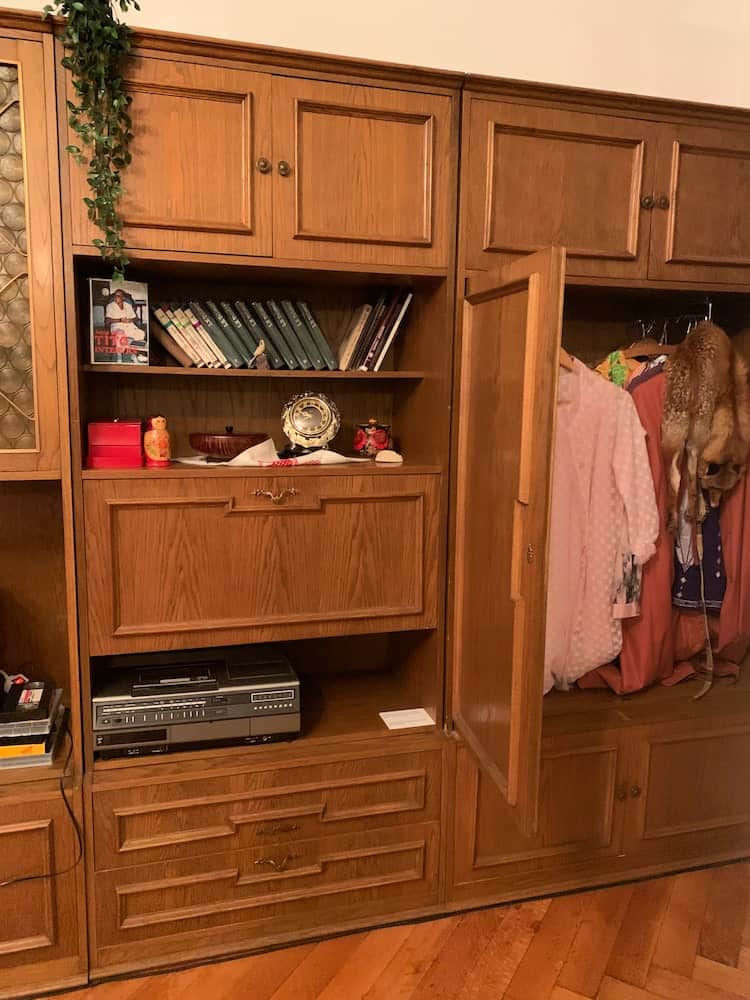
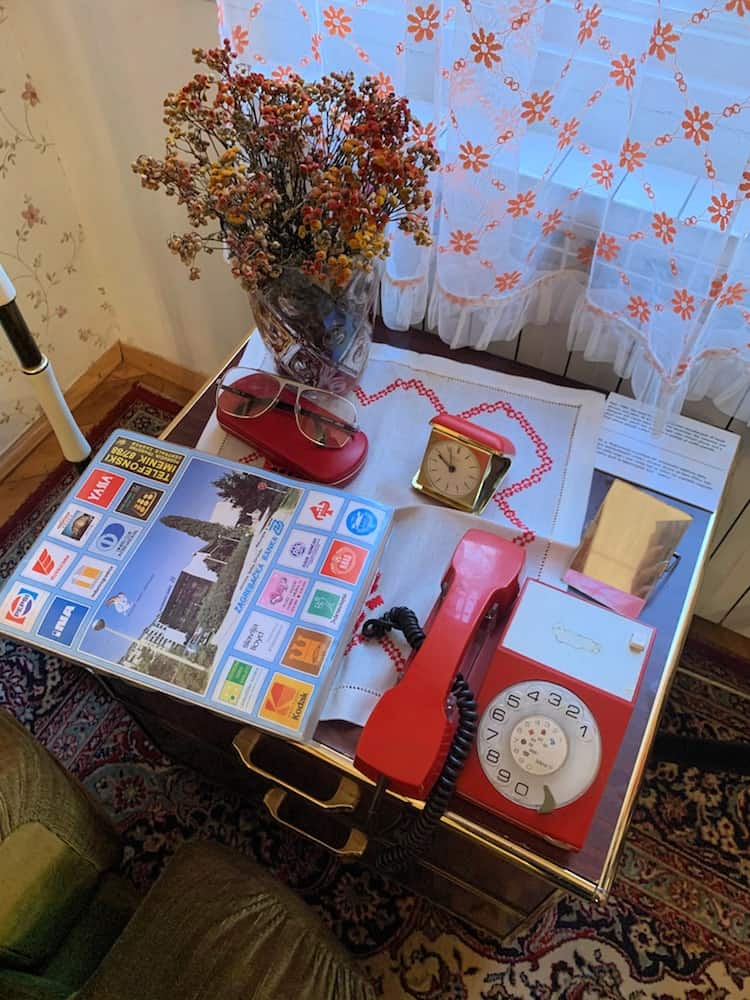
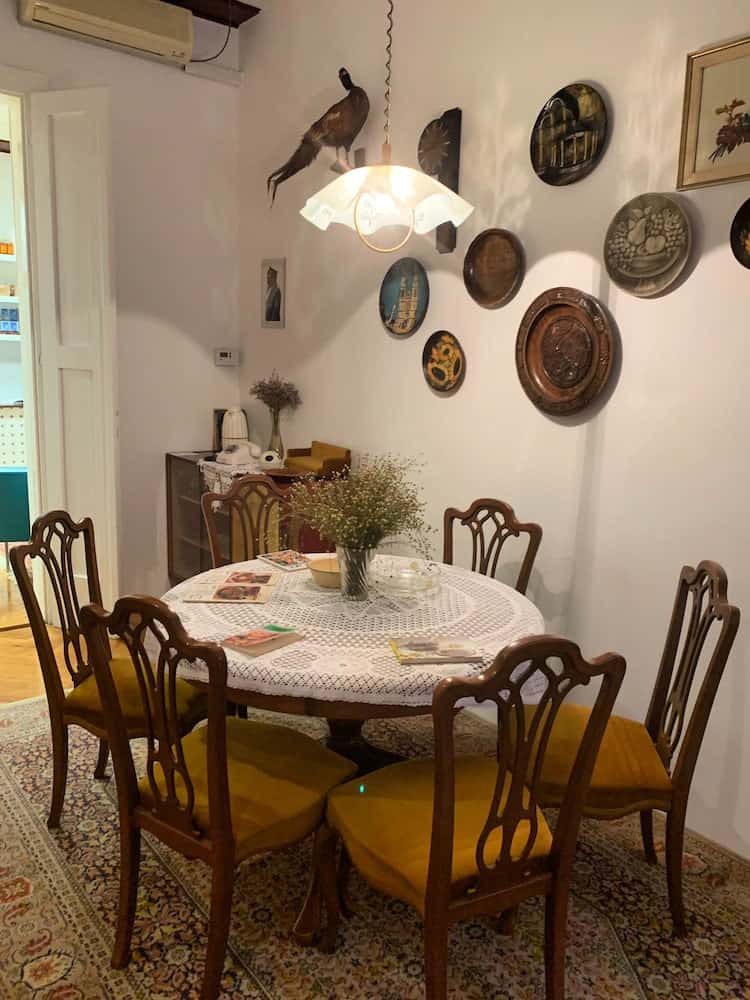
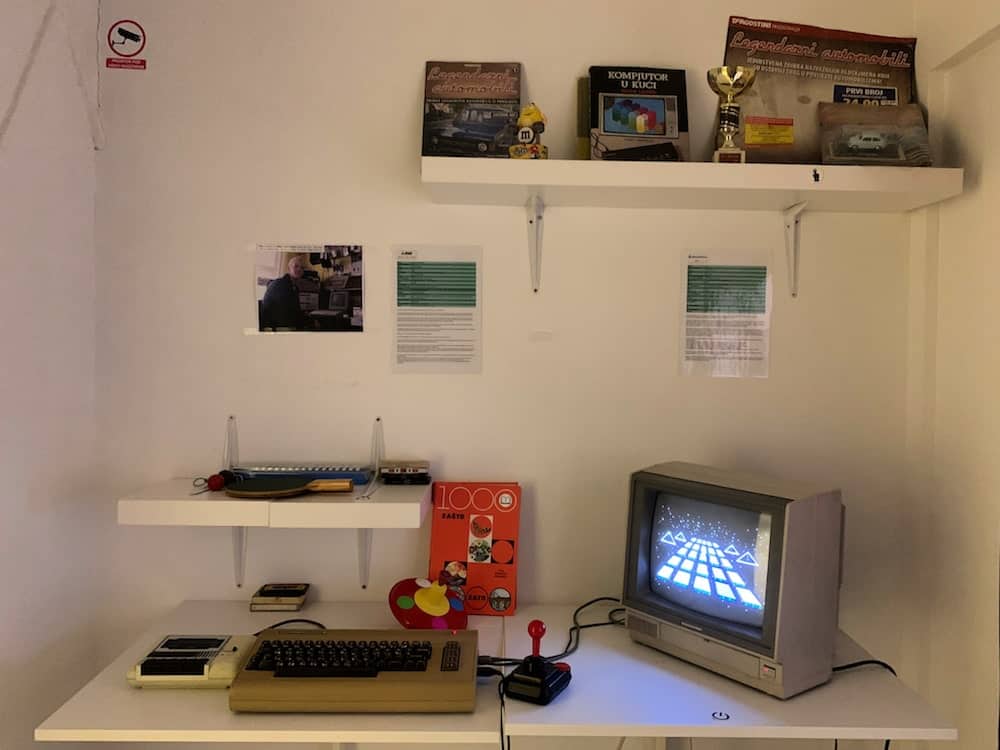
There are several distinct rooms – apart from the hallway/museum lobby, there’s an open plan living room/kitchen with sofas, entertainment and lifestyle items (telephone, record player, TV) and even one of those giant wardrobe/sideboard items that seemed to be very popular in…well…everyone’s home in Yugoslavia in the 1980s. Beyond that there’s another hallway-slash-office-slash-tribute-to-Zagi (remember him??!); a bedroom and then a kind of games room with the ubiquitous 80s games consoles.

Zagreb 80s Museum Reception
Does this look like a living room that you remember??
80s Wardrobe
Open it up to discover the fun inside…including 80s clothes to dress up in!
80s Telephone
Yup, the standard ‘telephone corner’ with the standard 80s telephone
80s Dining Room

But what’s there to do?

The premise of this museum is that it is fully interactive and offers you an immersive experience of what living in Yugoslavia in the 1980s was like. That means nothing is off limits – you can touch everything in the museum, sit in the chairs, open up the drawers, play around with things like the games consoles. You can even dress up in 80s gear as one of the wardrobes is filled with 80s clothes!

There’s plenty of fun to be had touching and feeling the exhibits, opening up cupboards to see what’s inside. Try sitting in the living room and pretending this is your apartment, albeit one 35 years ago.

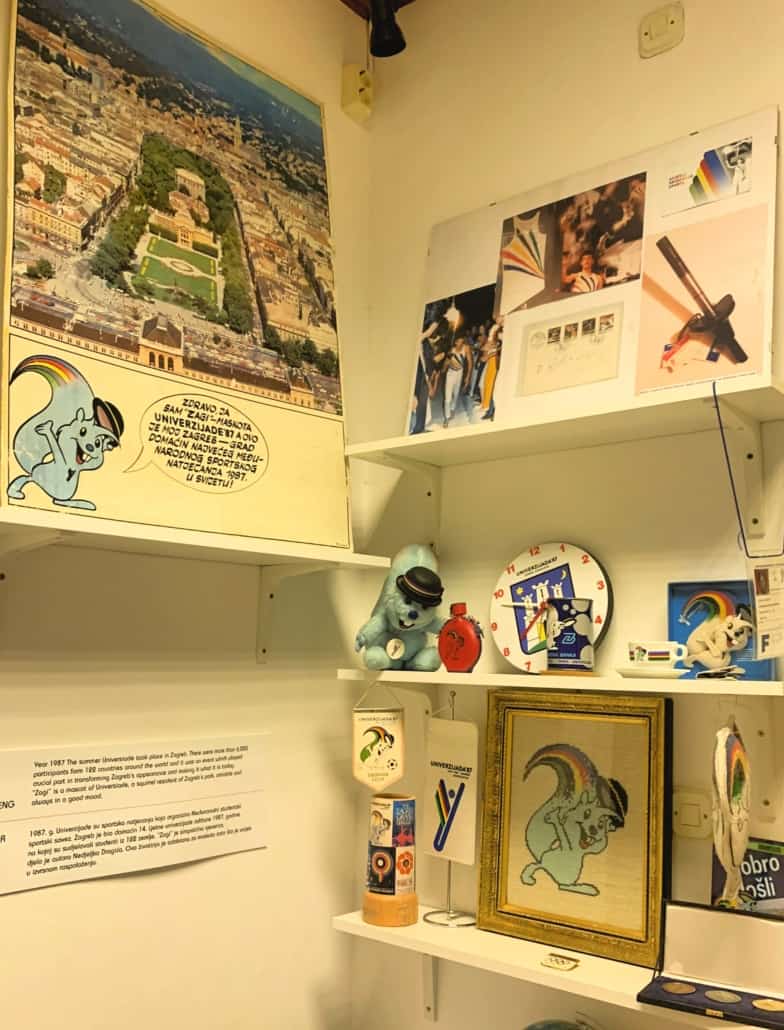
One area that brought me the most amusement was the small corner dedicated to Zagi, the blue squirrel that was the mascot of the 1987 Univerzijada (the University Olympics) which were held in Zagreb. If you were slightly obsessed by him back in that decade, well, this will be a real treat for you.

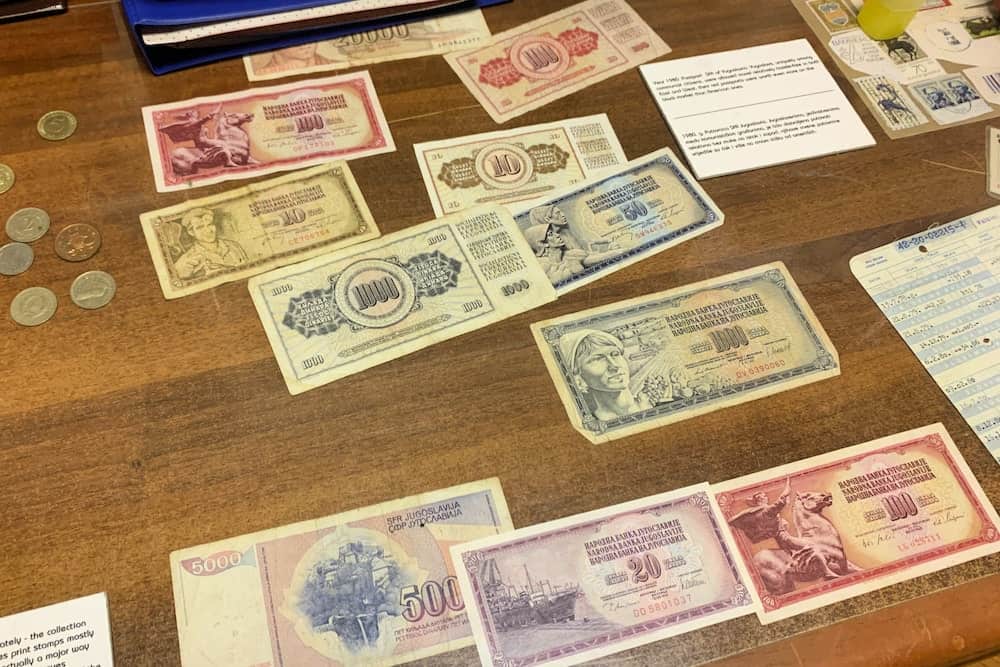
Yugoslavian money
Yugoslavian Dinars
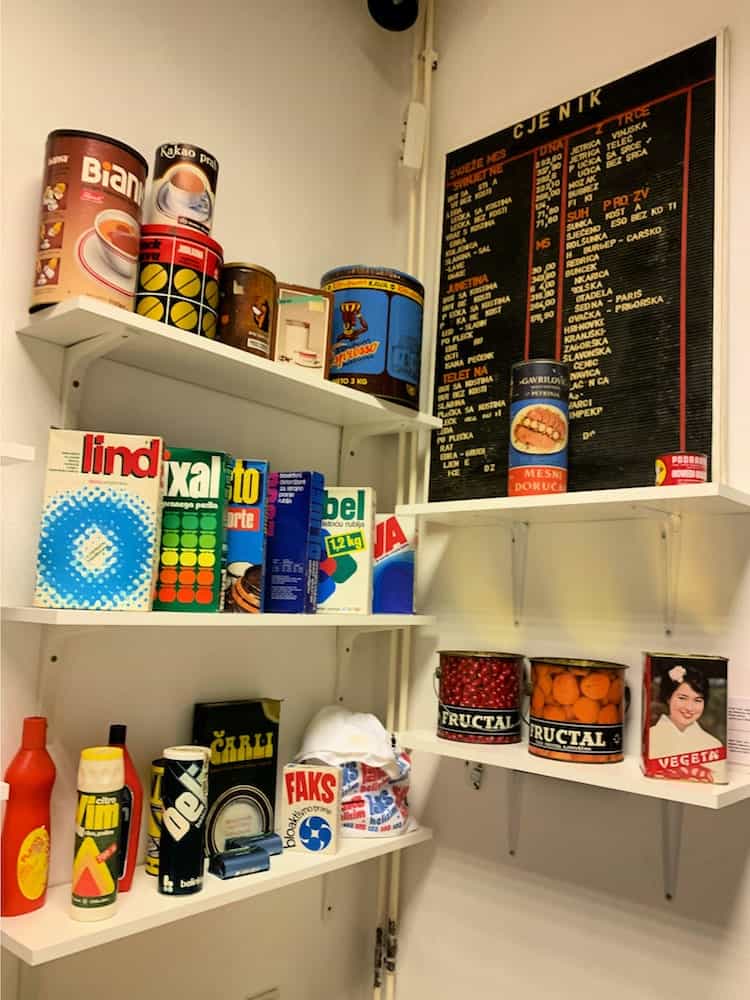
Yugoslavian food items
Food packaging from 1980s Yugoslavia
Zagi
A corner dedicated to my beloved Zagi

Zagreb 80s Museum – Verdict

We (of course!) absolutely loved this museum and really enjoyed our visit – so it’s no surprise that we’d really recommend this place.

However, we would say that the Zagreb 80s Museum is probably for those that are either really in to the 1980s (or don’t mind it for a few hours!) and/or have some kind of nostalgia about Yugoslavia or another Eastern European country during that decade. (Whether you lived through that time, had family there or visited in some way.)

But it is actually even good for kids! Given that it’s a fully interactive museum, they’ll also have fun looking at the ‘funny’ exhibits and there’s plenty of kid-friendly things that will catch their interest. (Even if this sets the scene of a time ages before they were born.) And they’ll just love sitting in the yellow car and pretending to drive.

The Zagreb 80s Museum is also located just a short distance from many other sights in the Upper Town, so can easily be combined with a tour of this part of the city – it’s a nice way to change up the scene from walking around looking at many of the outdoor sights.

There are also some rather fun (and some…ahem…quite naughty) trinkets to take home from the little shop. I went home with a Tesla (a Yugoslavian brand) lightbulb!

Zagreb 80s Museum - 80s games consoles
The games console corner

More info

Tickets for the museum cost 40 Kunas for adults, 30 Kunas for concessions (students and 65+) and 25 Kunas for kids aged 3 to 13.

Full details on Zagreb 80s Museum can be found on the official website.

Museums in Zagreb - Image of War Museum

New in Zagreb – The Image of War Museum

Croatia’s wonderful capital city, Zagreb, is home to many fine museums. Its latest one – the Image of War Museum – opened only a couple of months ago, has already been receiving rave reviews from visitors.

Image of War Museum

Image of War Museum, Zagreb

Image of War Museum, Zagreb

The Image of War Museum

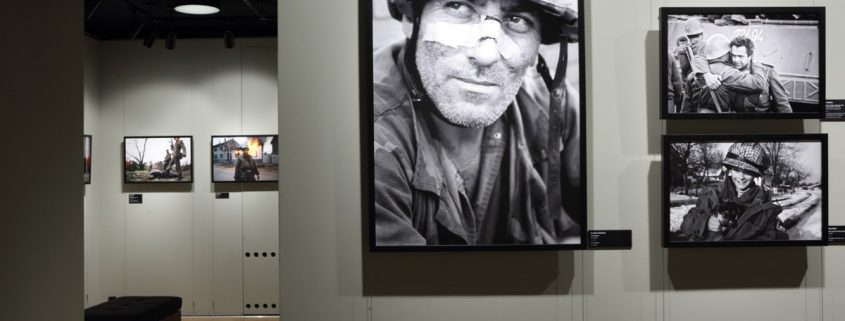
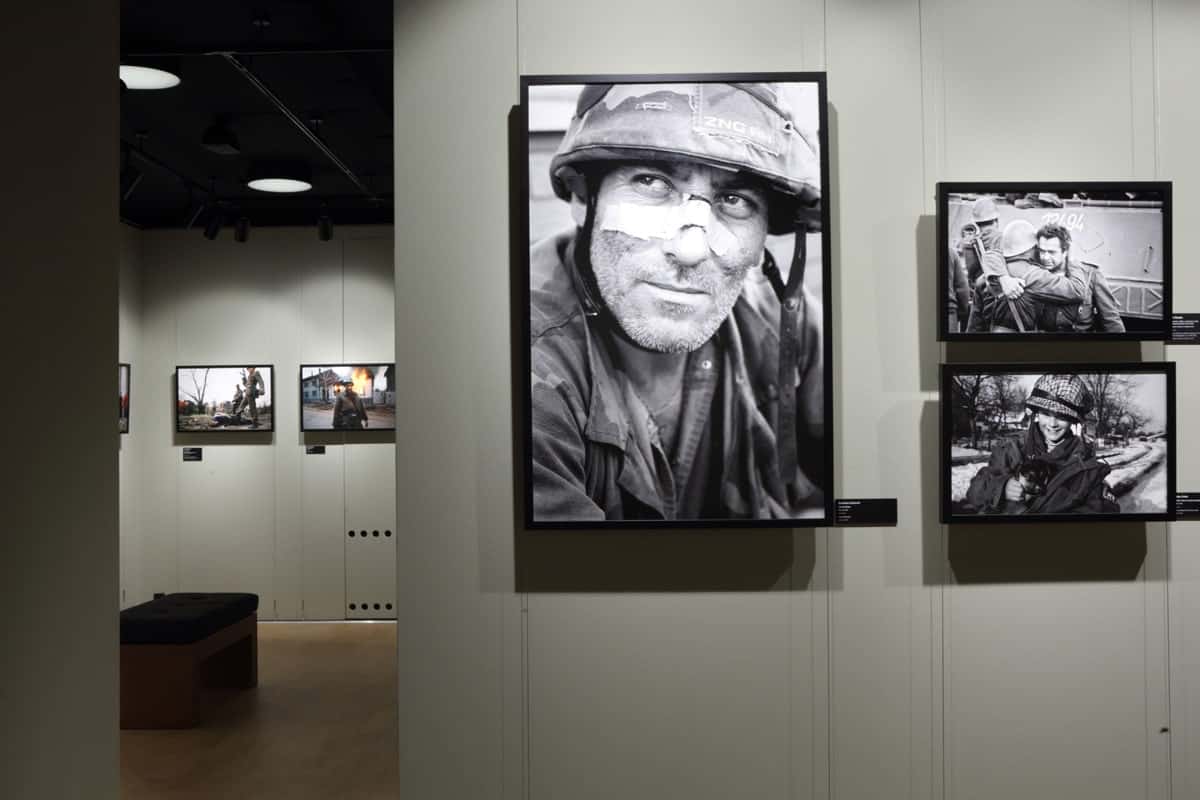
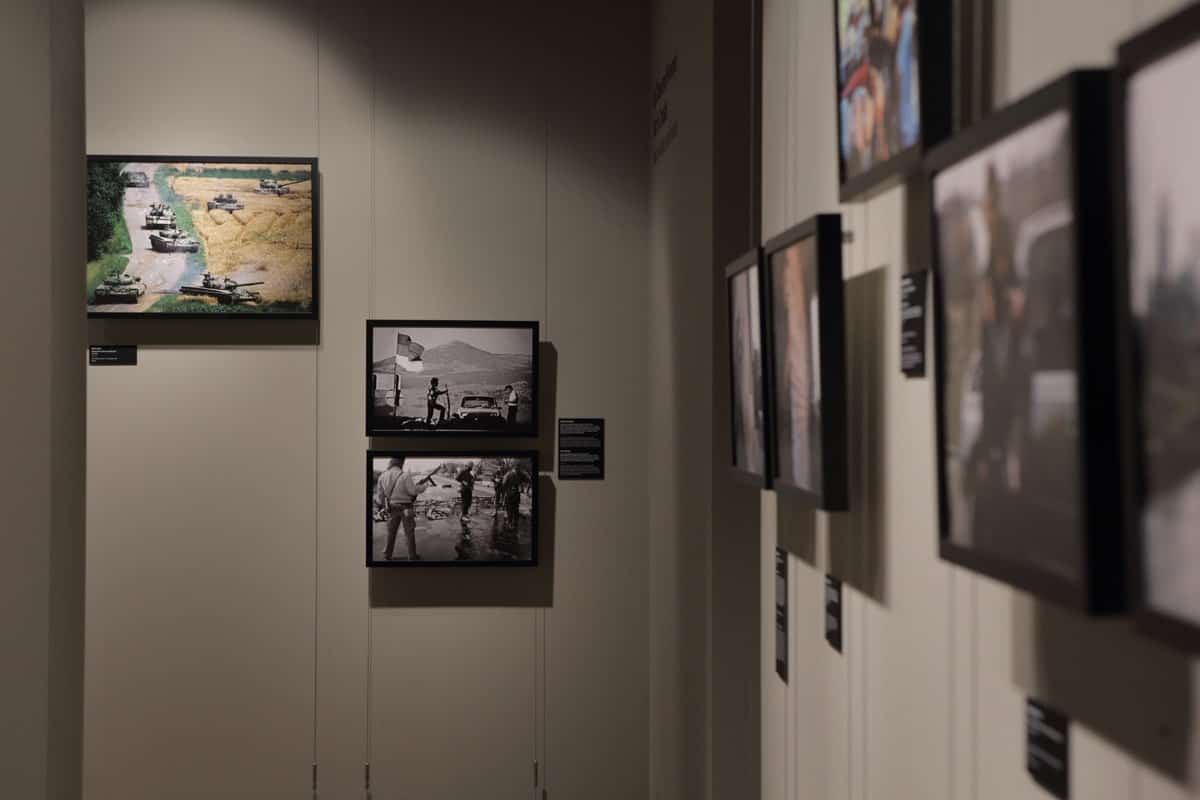
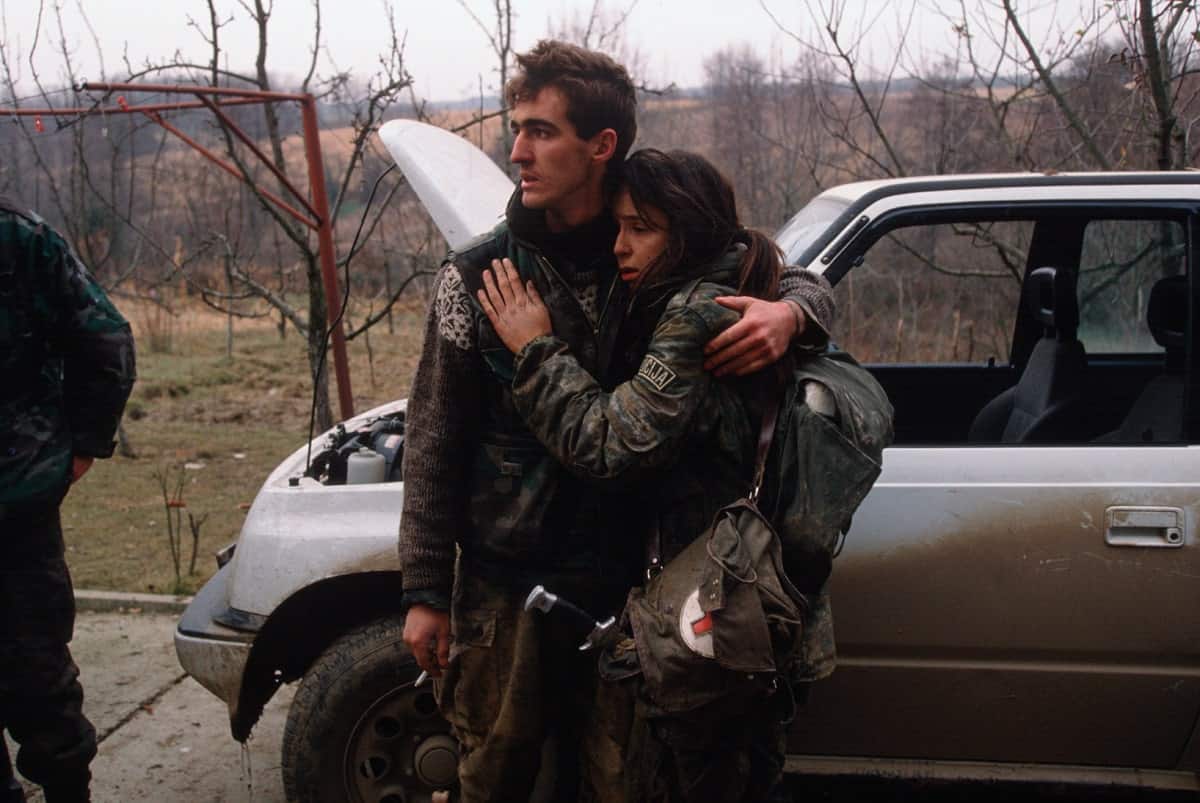
Image of War is a museum of war photography whose aim is to show the horrors of armed conflict through the eyes of professional photographers. The museum also tells the stories of the ordinary and innocent people caught up in wars.

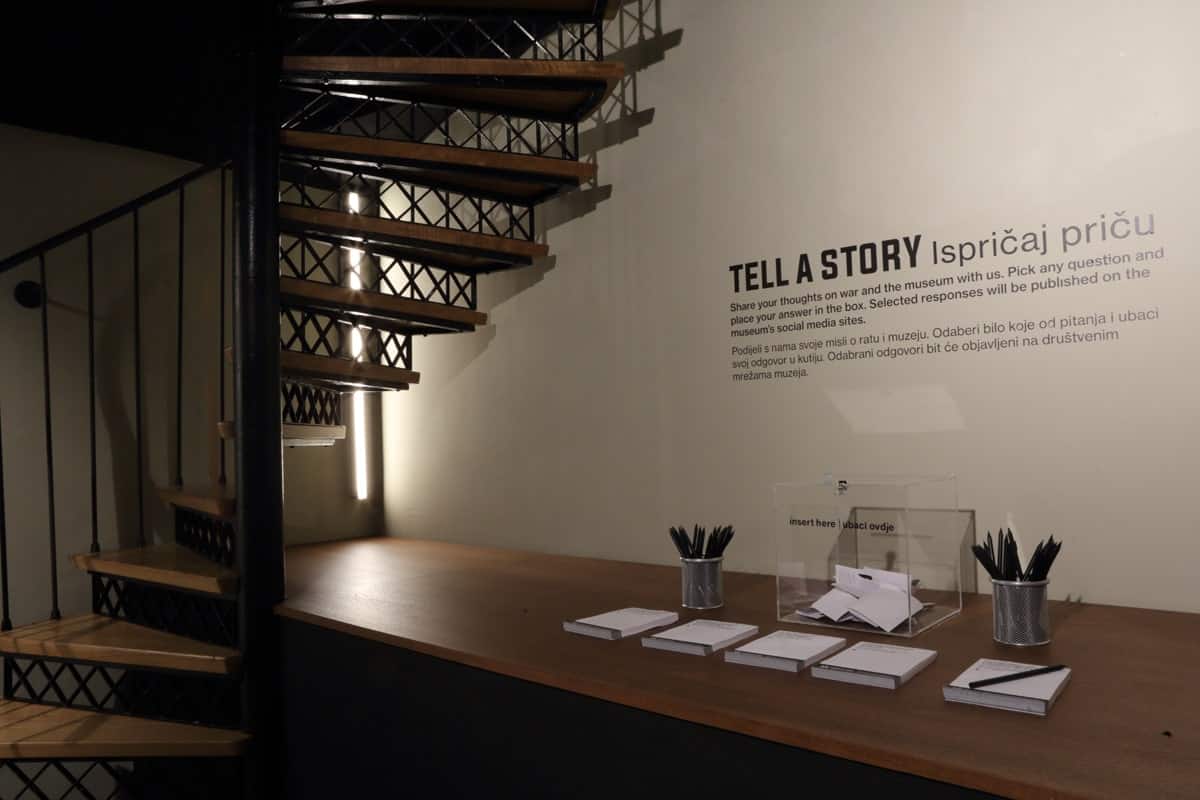
Sadly, war is something that the country of Croatia has experienced in its relatively recent past. To this end, the museum’s first exhibition is titled “Up Close and Personal: War in Croatia”. It covers the war in the country from 1991 to 1995, featuring images by world-renowned photographers, as well as  stories and photographs taken by ordinary people and collected through an online campaign on museum’s Facebook and Instagram pages.

Danilo Gregović, the museum’s founder, says:

“War is hell. In Croatia we still remember it vividly because we lived through it quite recently but the message seems to be forgotten easily. War unleashes the worst and the best in humans. The mission of our museum is to show both sides of human nature. Visitors will be able to learn about real and personal tragedies but also about hope, friendship and mercy. This is the power of photography – it tells personal stories in a universally understandable and relatable way.”

As well as promoting peace and raising awareness about the destructiveness of war, the museum will actively work towards changing the realities of those directly affected by war today. Part of the revenue from all ticket sales will be donated to the NGO Are You Syrious? which helps refugees and victims of war.

Image of War Museum, Zagreb

Image of War Museum, Zagreb

Croatia’s First Crowd Funded Museum

The museum recently raised funds through a crowdfunding campaign on Indiegogo titled “War belongs in a museum”, making it the first crowdfunded museum in Croatia. This message – “war belongs in a museum” – reflects the basic idea behind this anti-war museum: to make war a thing of the past by stimulating dialogue about its devastating consequences and educating on the imperative of peace for everyone.

Visiting the Image of War Museum

The Image of War Museum opened on 8th August 2018 and has already received fantastic reviews by visitors.

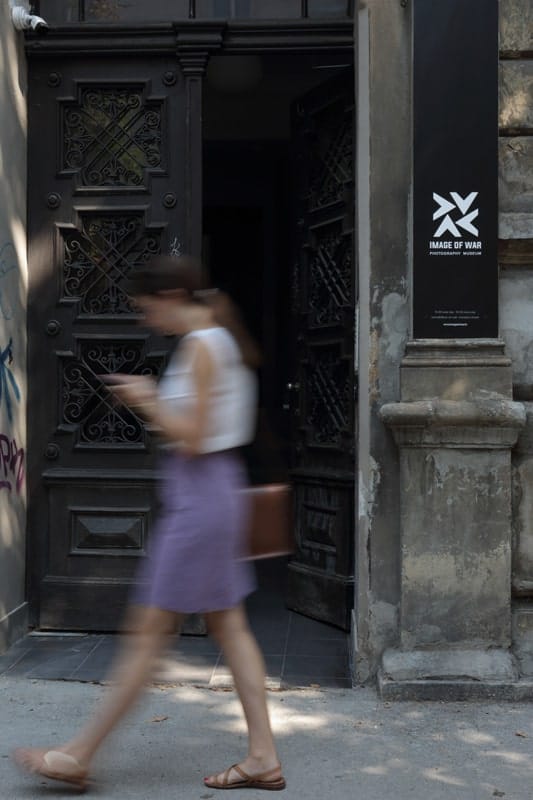
The museum is open daily (except Mondays) from 10am to 8pm. It is located at  Ulica Andrije Hebranga 4, close to Zrinjevac Park and a short walk south from the main Ban Jelacic Square.

Tickets cost 50 Kunas for adults, 40 Kunas for concessions (students/pensioners/veterans). It is 80 Kunas for couples, and for groups of 10 or more, it is only 30 Kunas per person.

Further information about the museum can be found on their website or their Facebook page.

Image of War Museum, Zagreb

Image of War Museum
Ulica Andrije Hebranga 4
Zagreb
www.imageofwar.hr

Love Stories Museum in Dubrovnik

Love Stories Museum in Dubrovnik – the world’s first museum dedicated to love and romance

The wonderful city of Dubrovnik received a brand new museum earlier this month, and it’s the first museum in the world dedicated to the charming subjects of love and romance – the Love Stories Museum.

Love Stories Museum in Dubrovnik

Romance and Love in the Love Stories Museum

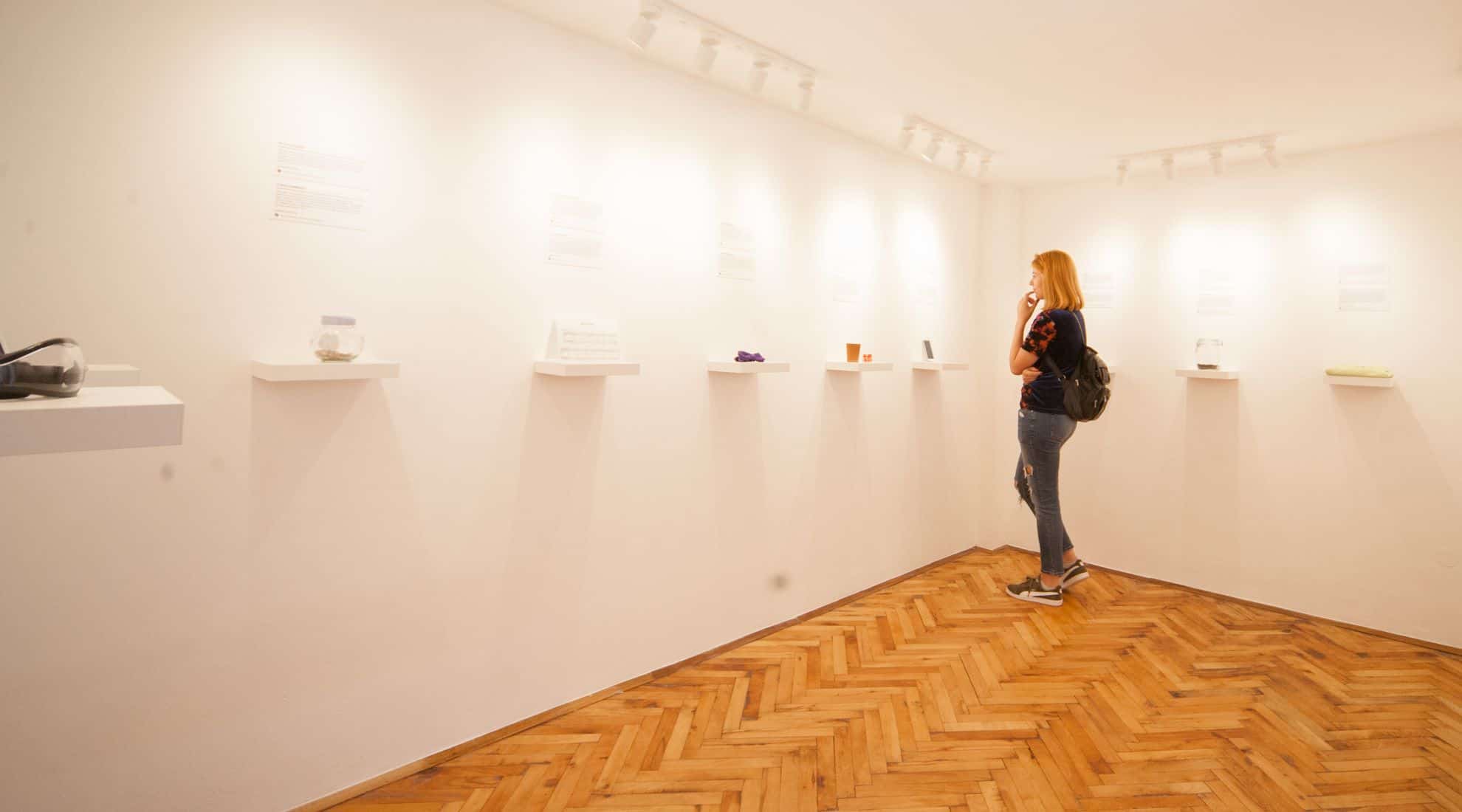
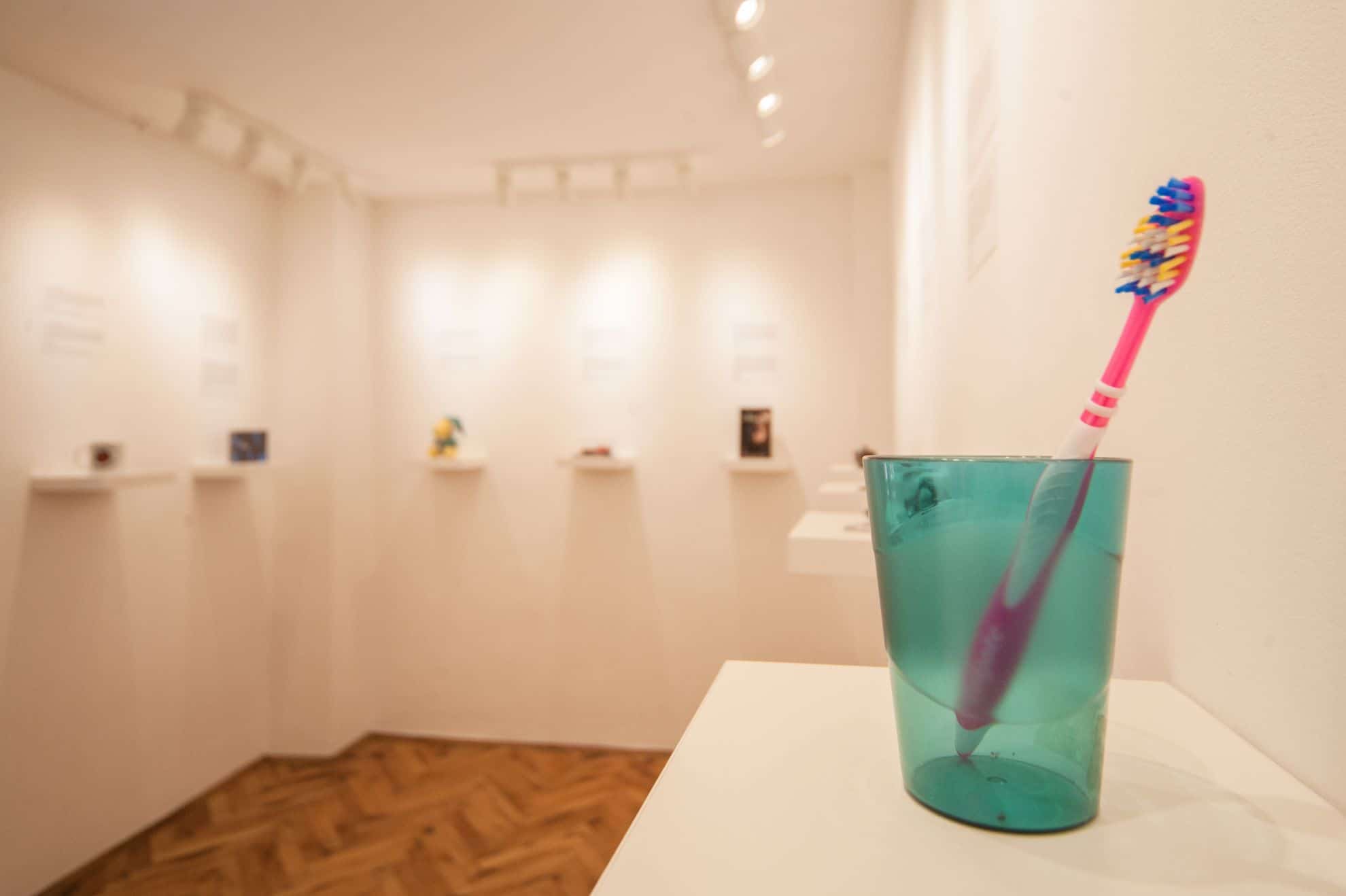
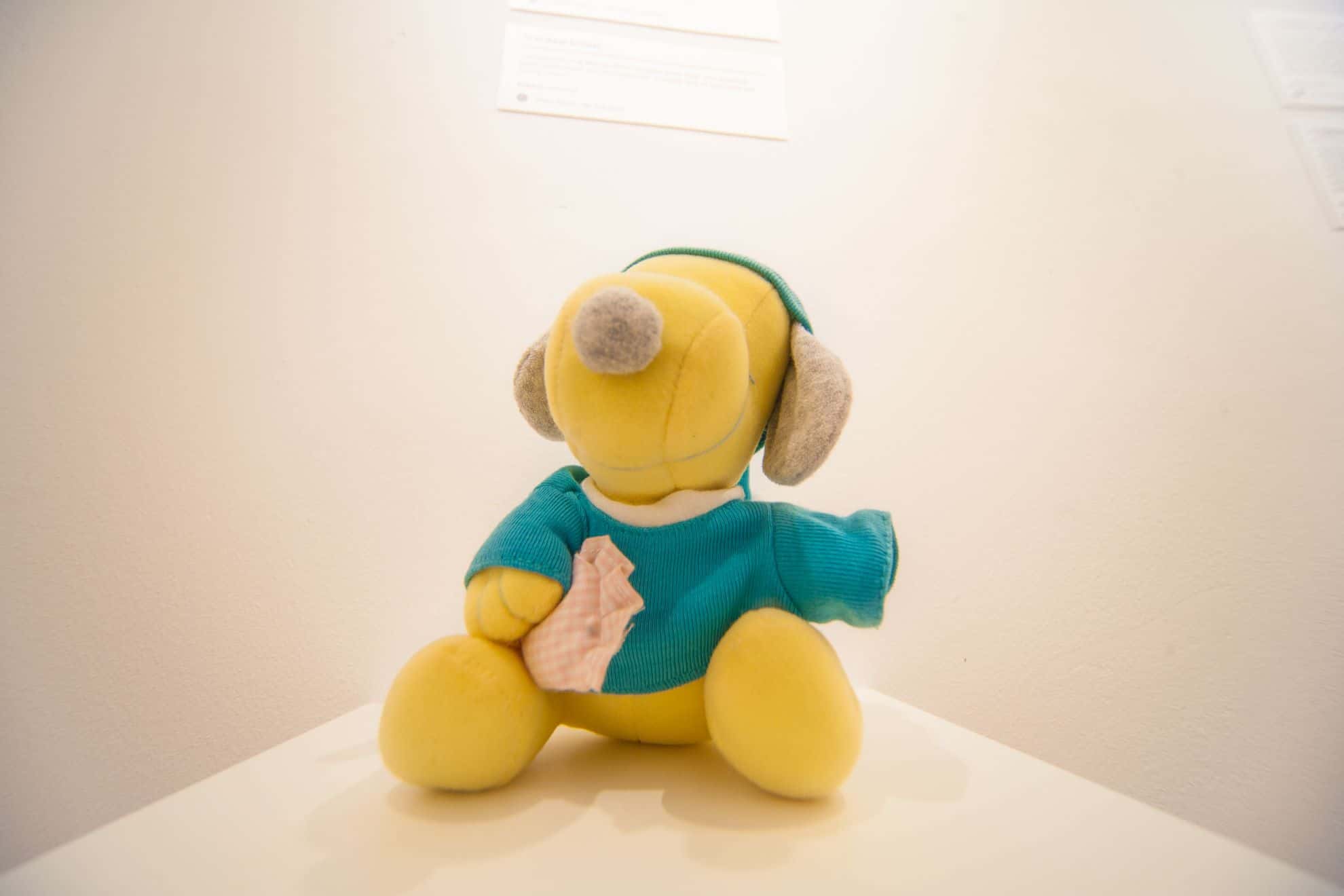
The Love Stories Museum collects and displays unique personal love stories and items of great sentimental value from around the world. You’ll see items such as a coffee mug from Sweden that got together an American woman and a man from France, and experience stories such as the emotional tale of a couple going through a divorce that decided to give their marriage one last try.
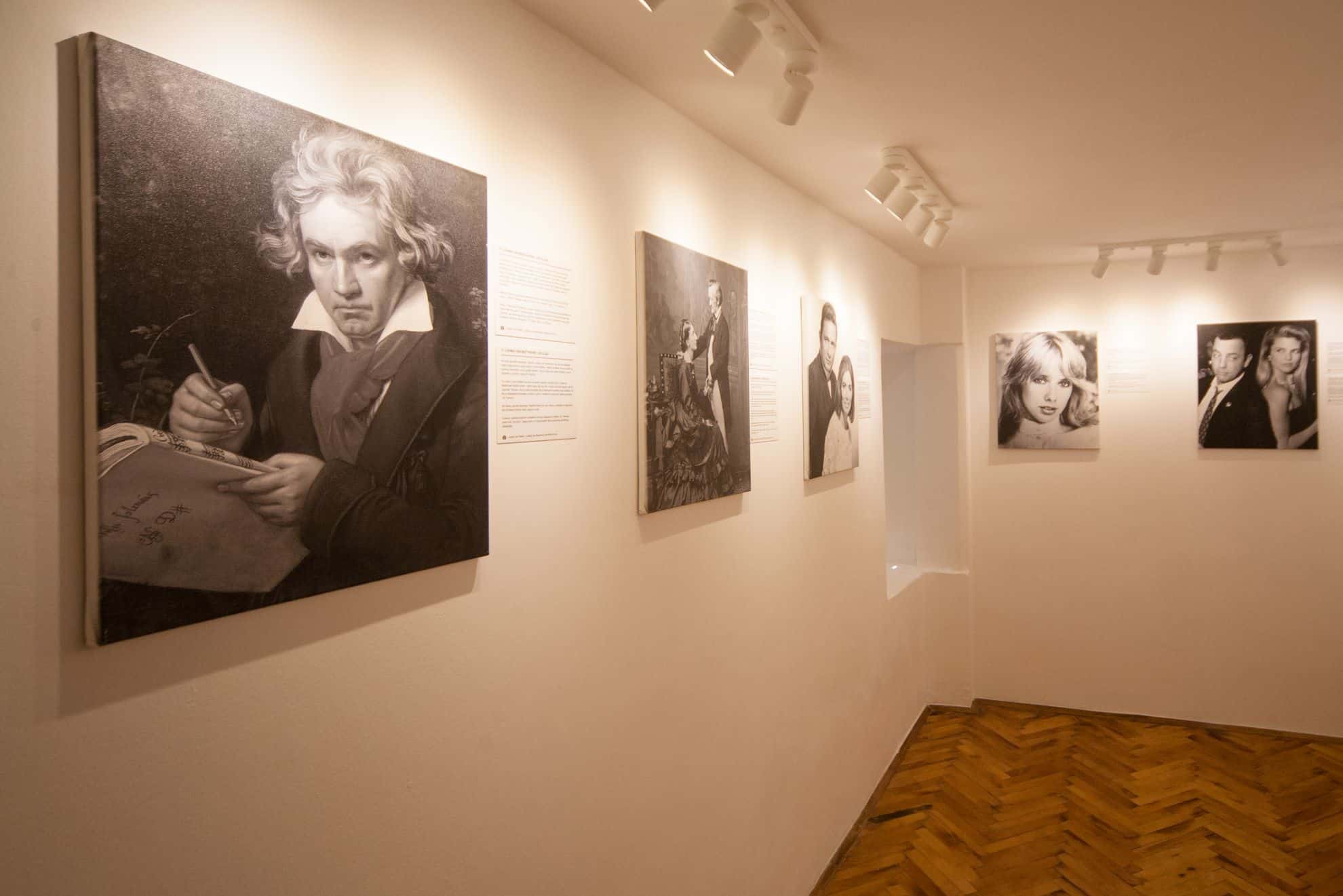
And you, the visitor, can also help expand the collection! You can donate your own personal love story which could end up part of the global love stories collection.

Love Stories Museum in Dubrovnik

Love Stories Museum in Dubrovnik

Love Stories Museum in Dubrovnik

The Love Stories Museum also focuses on local historical and mythical love stories from old Dubrovnik, so there’s a chance to learn more about the city in this respect. And there’s also a display dedicated to romantic plots from films and TV programmes that have been filmed in Dubrovnik in recent times – well known shows and cinematic features such as Game of Thrones, Robin Hood and Star Wars. The Museum also features a music section, introducing visitors to the people that have inspired some of the greatest love songs of all time.

Love Stories Museum in Dubrovnik

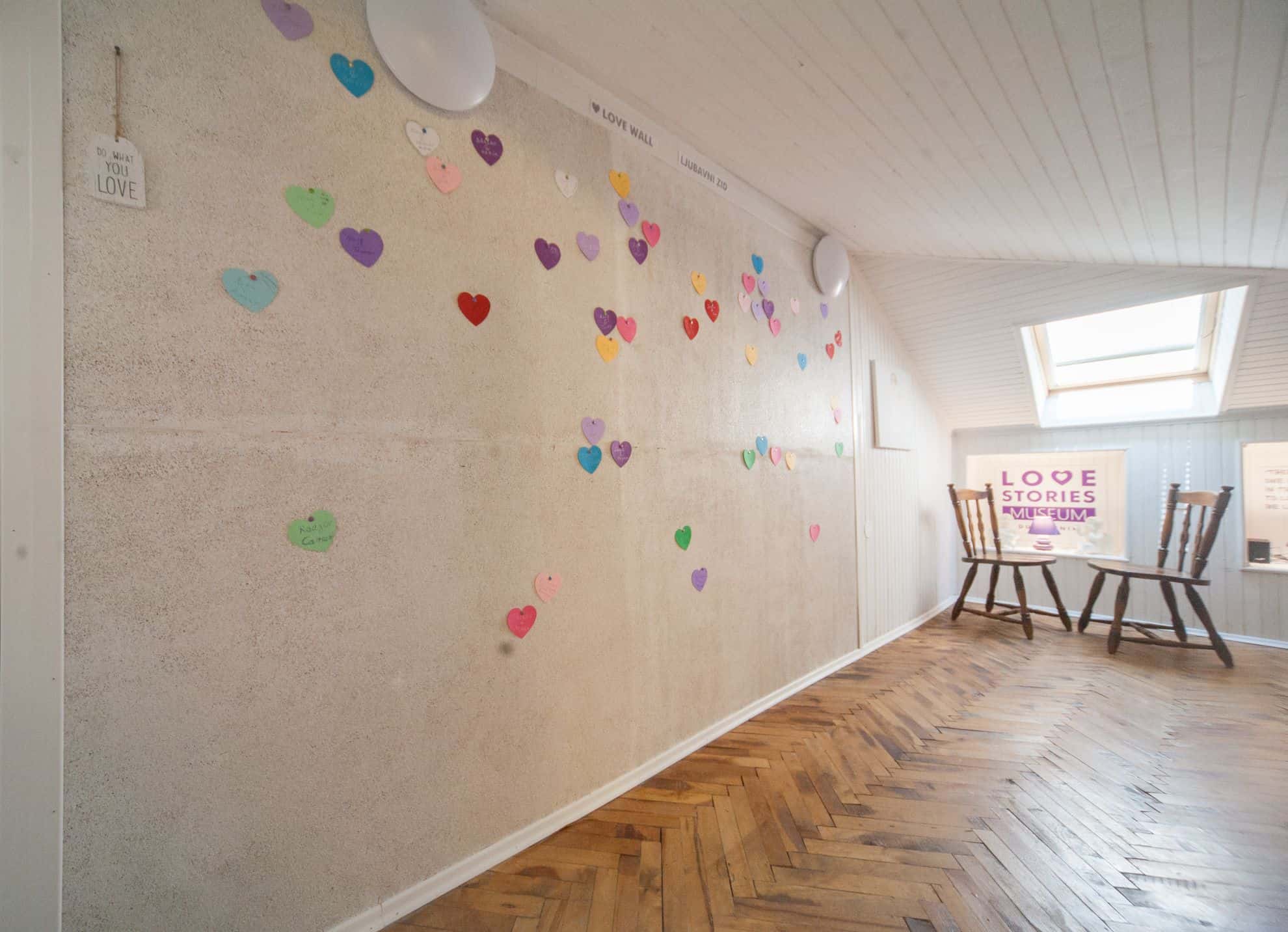
Leave your mark on the Love Wall!

Once you’ve rejoiced in all the romantic stories the museum has to offer, leave your mark on the Love Wall. Sign it, doodle a picture or pin a couple selfie to it – it’s up to you to help create ‘the most romantic wall in the world’!

Love Stories Museum in Dubrovnik

Location and Tickets

The Love Stories Museum is located right by Pile Gate, just outside the Old Town. You can see a map of its location here.

Tickets cost 50 Kunas for adults and 35 Kunas for children (aged 10 – 18). Children aged 9 and below go free.

Love Stories Museum
Od Tabakarije 2, Dubrovnik
lovestoriesmuseum.com