Although it’s the capital of Croatia, Zagreb is sometimes overlooked as a destination by visitors to the country…which is a real shame, because it has plenty to offer! Sure, it doesn’t have the Adriatic Sea, but it has many fine sights, plenty of restaurants, cafes and bars, lots of entertainment and regular events, a huge selection of accommodation (with something for all budgets) and some very decent shopping. It is also very easy to reach from elsewhere in Europe. Personally, I also love the vibe here – it has something of a buzzing atmosphere. Those other popular Central European cities – Prague and Budapest – have a strong competitor!
The city is certainly very suitable as a destination for a weekend break in Croatia or as a city break.
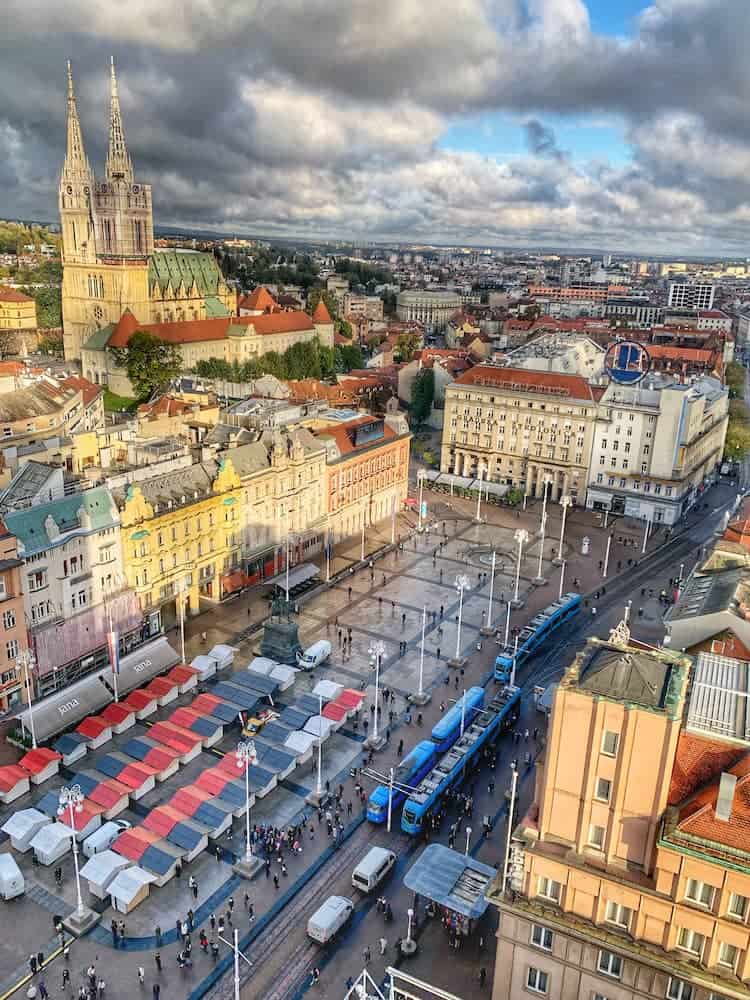
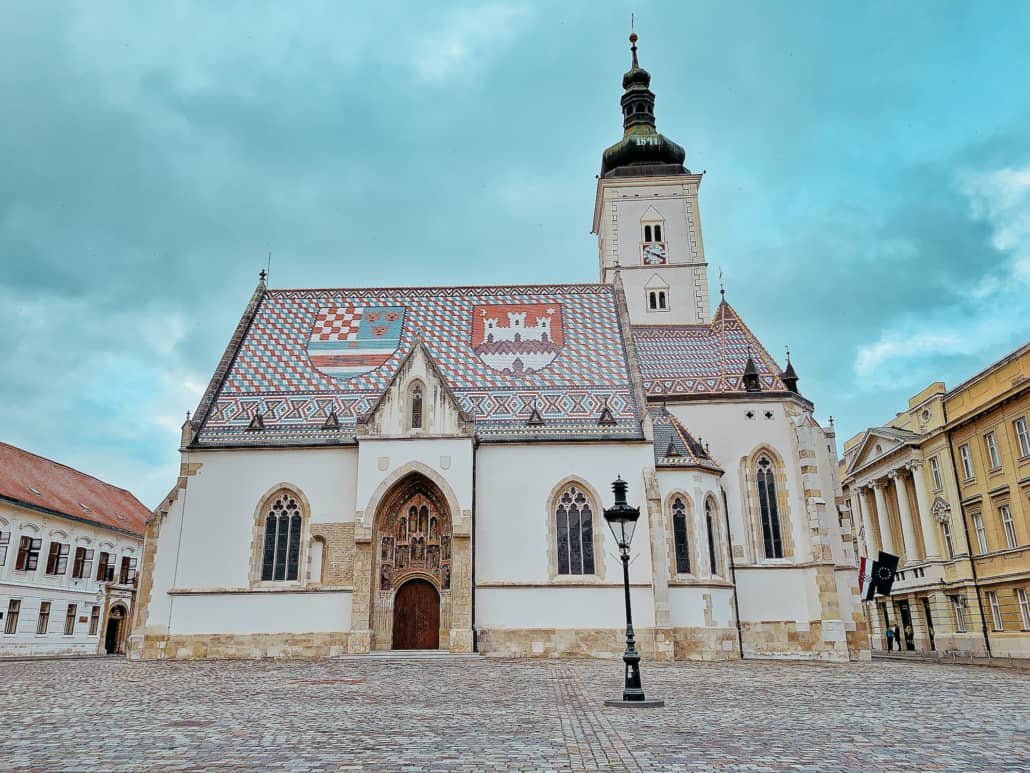
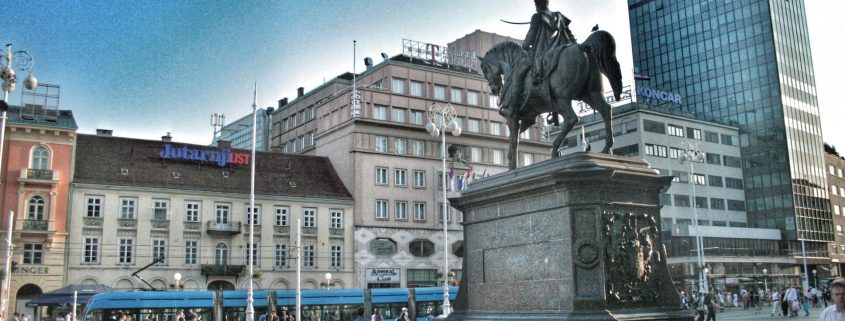
The city is divided into three parts: the thousand-year old Gornji grad (Upper Town) which contains the Presidential Palace, the iconic St Mark’s Church, the Croatian parliament (Sabor), and museums and galleries which are all set in cobbled streets lit by gas lamps; the 19th century Donji grad (Lower Town) with its shops, restaurants, cafes, theatres and parks; and the modern post-World War II area of Novi Zagreb (‘new Zagreb’) which is full of high-rise buildings and basically has little to offer visitors.
It is also called a city of museums, as there are more of them per square foot than in any other city in the world. But this doesn’t mean that there is nothing else for you to do if you aren’t a history or culture buff. One of the many pleasures that the Zagrebčani (the locals) enjoy is sitting in one of the numerous cafes watching the world go by. In the evening, you can visit one of the many restaurants, sample a delicious Croatian dish, and finish the day in one of the numerous bars or clubs.
Whatever you choose to do, you are guaranteed to have a good time!
Don’t forget that the city hosts a huge Christmas event each winter, which is an absolutely fantastic time of year to visit to enjoy all the festivities. Read up more about this: Visit Croatia Review: Advent in Zagreb 2025 and Visit Croatia Review: Advent in Zagreb.
Guide to Zagreb
Take a look at our guide to the city on the following pages, or read on for a general introduction below:
- Map of Zagreb
A searchable, scrollable map - History
How the city came to be - Getting to Zagreb
Flights and other options from around Europe - Getting to and from Zagreb Airport
How best to travel between the airport and the city and elsewhere in Croatia - Public Transport
Information on public transport – trams, buses, the funicular, tourist buses and more - Two Days in Zagreb
A 48-hour itinerary – how best to spend your time in this wonderful city - Sightseeing
The best sights – things you absolutely must see! - Museums in Zagreb
Home to some very fine museums indeed, we pick the best ones to visit - Zagreb for Kids
Some top places for you and your little ones to enjoy when in the city. - Shopping in Zagreb
Some of the best places to get your shopping fix, from department stores and malls to unique, independent shops. - Accommodation
Accommodation options, from budget hostels to five-star hotels. - Eating in Zagreb
Some of the city’s best restaurants to try - Events in Zagreb
Listing of events in the capital by month. - Day Trips in Zagreb
Why not visit the sights slightly off the beaten track, such as Maksimir Park and Lake Jarun? - Day Trips from Zagreb
Take a break away from the city and visit some of the towns in nearby regions, such as Samobor and Varazdin.
Be sure to also see our Photos of Zagreb photo album!
Accommodation in Zagreb
Use the search map/box below to search for hotels and rentals:
More information
- The Around Zagreb website is a great source of information for day trips on the outskirts and just outside
- Blue Bike offer a whole host of bike tours of the city, taking in many of the city’s most famous sights. There’s even an early bird tour (starting at 6/7am!) in summer, as well as a forest tour/ride on MTB bikes for those who like the more adventurous side of things!
- University of Zagreb founded in 1699
- Zagreb Tourist Office has plenty of useful information on what to see and do