Visit Croatia Review: Museum of Chocolate, Zagreb
Croatia isn’t necessarily known for its chocolate production globally, which is fair enough – although the country does produce a number of excellent chocolate-based products and sweet treats. (I assume you’ve always gone home with a few packs of Bajadera, am I right?) So when the Museum of Chocolate opened in Croatia’s capital city Zagreb, I was intrigued by what the museum would actually cover and how. Sure, it’s a great addition to Zagreb’s lively museum scene, but could this museum do the history of chocolate and chocolate production justice? Find out in my review.
Visiting the Museum of Chocolate, Zagreb
I’ve been lucky enough to have visited a few chocolate museums around the world…which is an odd sentence, I’ll admit. I promise I’m not a chocaholic; I just happen to have visited a few cities that have a link to production of this highly addictive sweet treat. Nevertheless, I’m appointing myself something of a “chocolate museum expert” – could Zagreb’s museum go one better than the venues I’d visited before?
Well, they had me sold as soon as I walked in, with a very friendly welcome. After paying for my entrance ticket, I was then handed a box…intriguing, certainly. Turns out this box contains six chocolate items, plus a spoon to taste three more types of chocolate at the end of the museum visit. In many of the main rooms of the museum, a large wall sign announces that particular spot as a “savouring station”, and it is here that you are supposed to sample one of the chocolates in the box. The friendly lady at the front desk did warn me that the first couple of chocolate items were quite bitter – in keeping with what was considered to be “chocolate”/cacao of the time – which I heeded. Those first samples weren’t too bad to me (but then I don’t mind bitter chocolate at all), but I could see how it might not be to everyone’s taste!
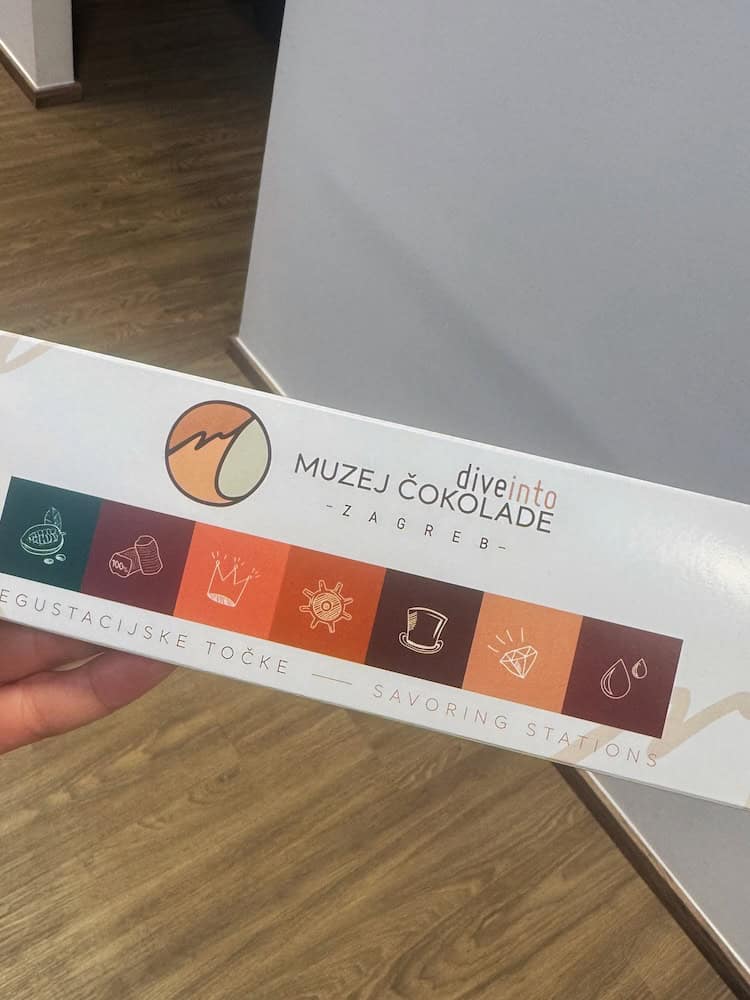
I visited the Museum of Chocolate in the early afternoon on a winter weekday, when I almost had the museum to myself. I say almost because, as I slowly wandered around reading all the descriptions and notices in room two and playing around with a costume helmet, I heard a school group arrive. Which is fair enough – learning about chocolate is still learning! Once I heard the noise of excited kids, I thought I’d better up my pace to keep ahead of them – which is just as well, as it meant I had most rooms to myself.
Walking through chocolate history
The Museum really does go back to the start in the history of chocolate, travelling many, many centuries back to the ancient civilisations of Central and South America. In these times, cacao beans were used as a form of currency and drinks made from cacao were prized, linked with status. It was the elite that consumed cacao, and the drink remained bitter…as can be evidenced by the first chocolate sample I consumed in that first room’s savouring station.
When brought from South America to Europe by explorers, cacao drinks were changed to suit European tastes – sweetened, of course. However, chocolate drinks were still consumed by the wealthy and the nobility, and very much considered a luxury product. It was interesting to read about the importance of chocolate within trade around the world – by the 16th century, demand for the product was rapidly increasing, with European production of chocolate drinks still far off.
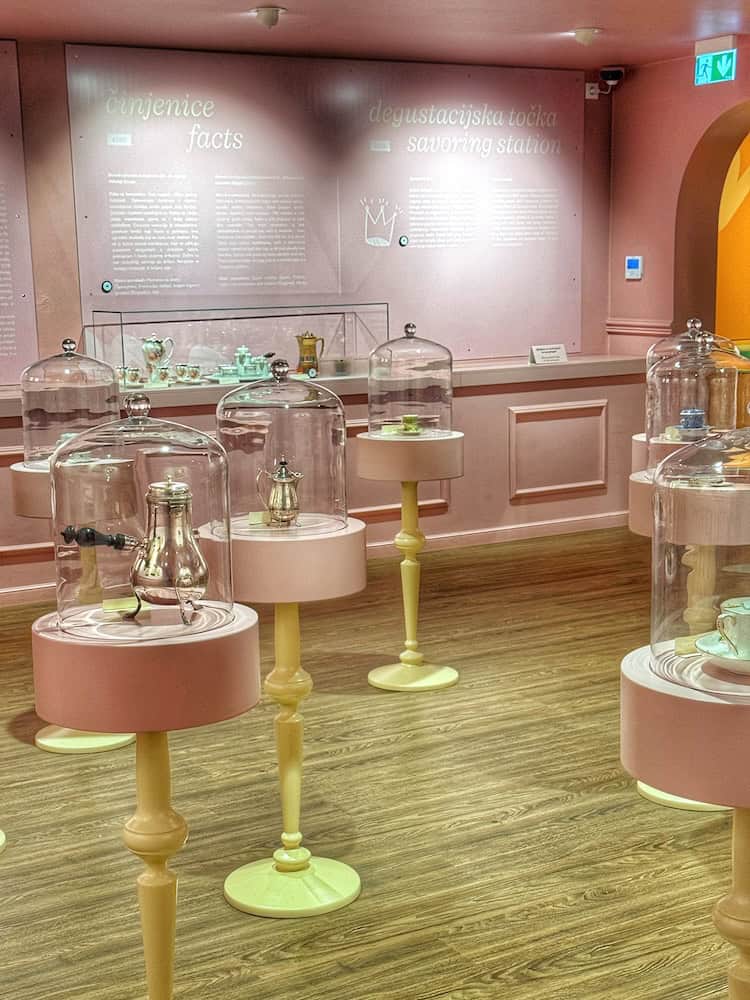
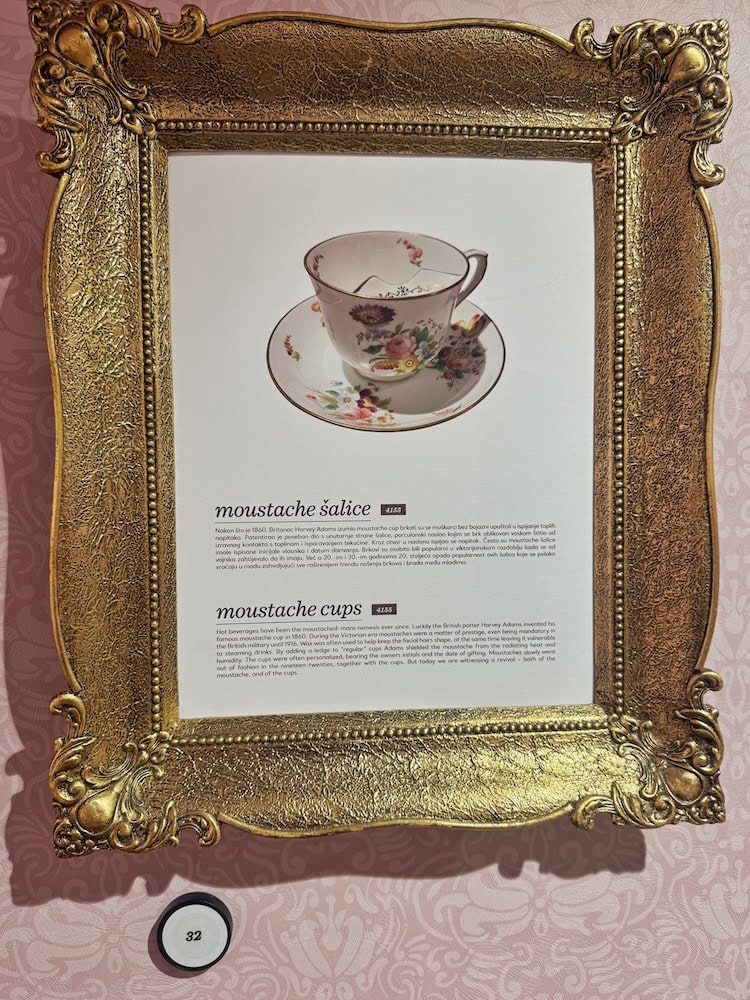
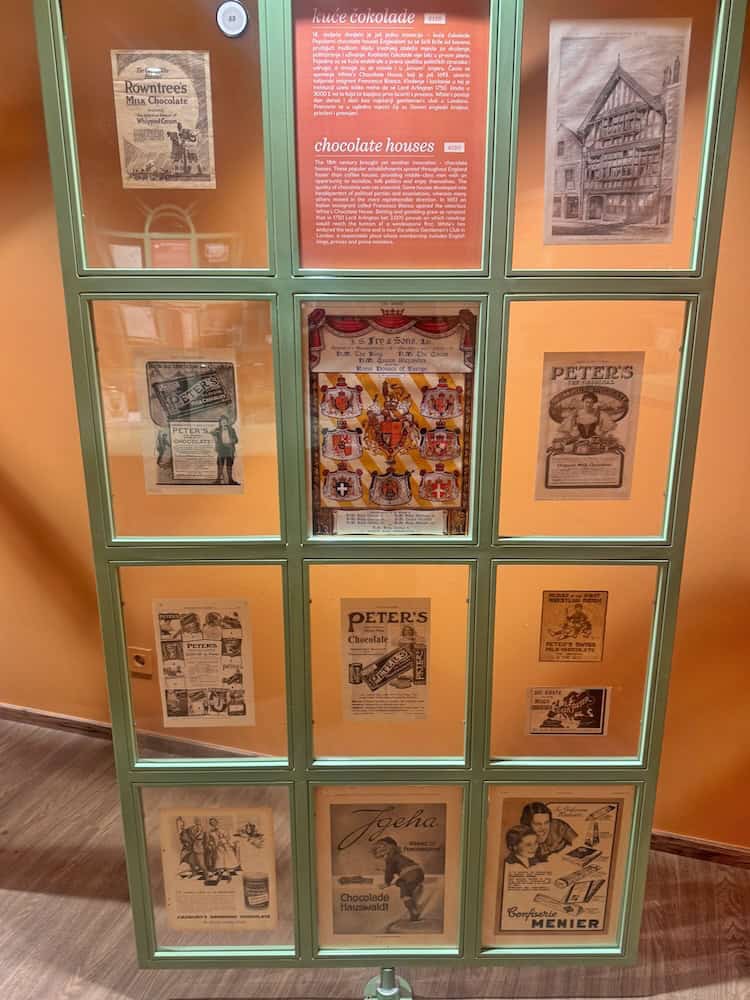
But as the world turns, the history of chocolate in the museum moves on into the 19th century, when European chocolate production began in earnest. The invention of pressing cocoa on this continent meant that both a fine powder could be produced – making cocoa drinks easier to make – and that the remaining cocoa butter could be turned into solid chocolate. In other words, a chocolate bar! You can easily imagine the move from consuming chocolate as a very special treat to a more everyday “snack” to the more artisan items that we often find today. (Yes, I have seriously zoomed through several centuries, but head to the museum to learn for yourself!)
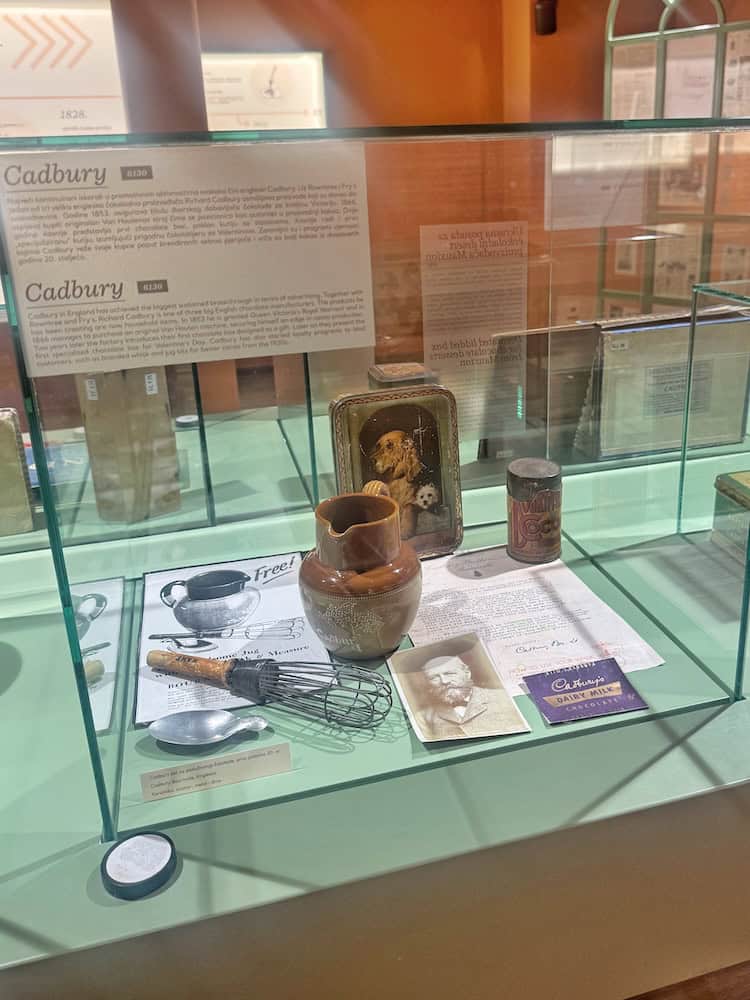
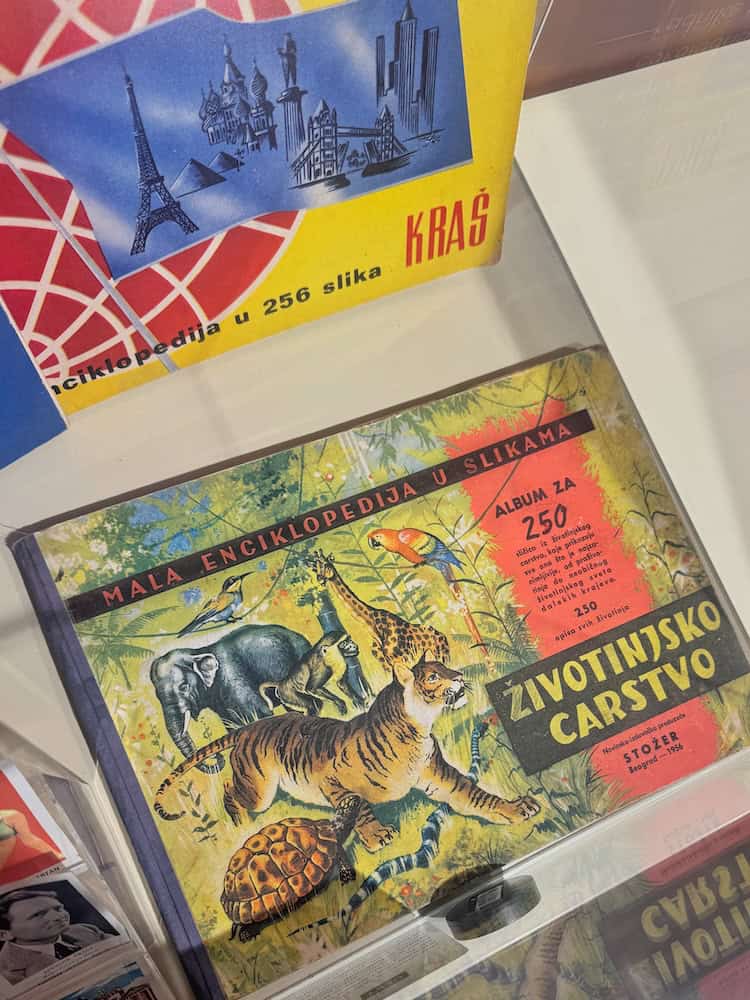
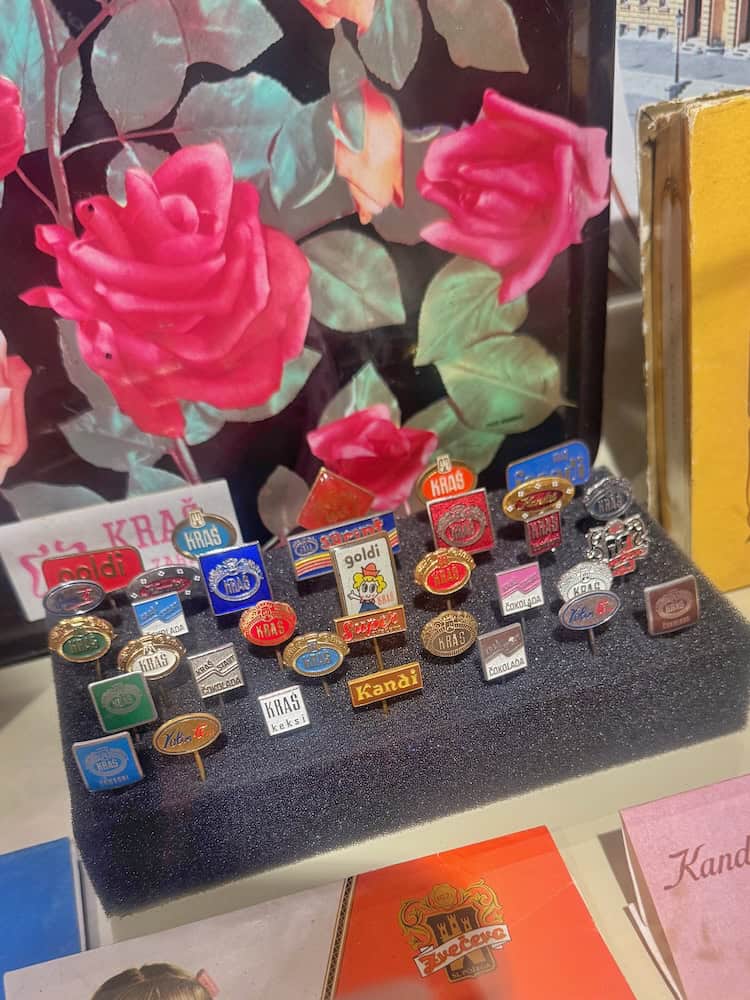
There are displays of famous current chocolate producers around the world, including famous chocolate brands (M&Ms, Kinder, Toblerone anyone?). Understandably, there’s a special section on one of Croatia’s most famous chocolate producers, Kraš. So many childhood memories came flooding back as I saw a Kraš Animal Kingdom sticker album (I remember collecting those stickers from Kraš chocolate bars) as well as the Kraš pins. Okay, those references may be slightly niche, but I bet many of you remember your own Kinder Surprise goodies from your childhood. (Anyone else remember the terrapin family?!)
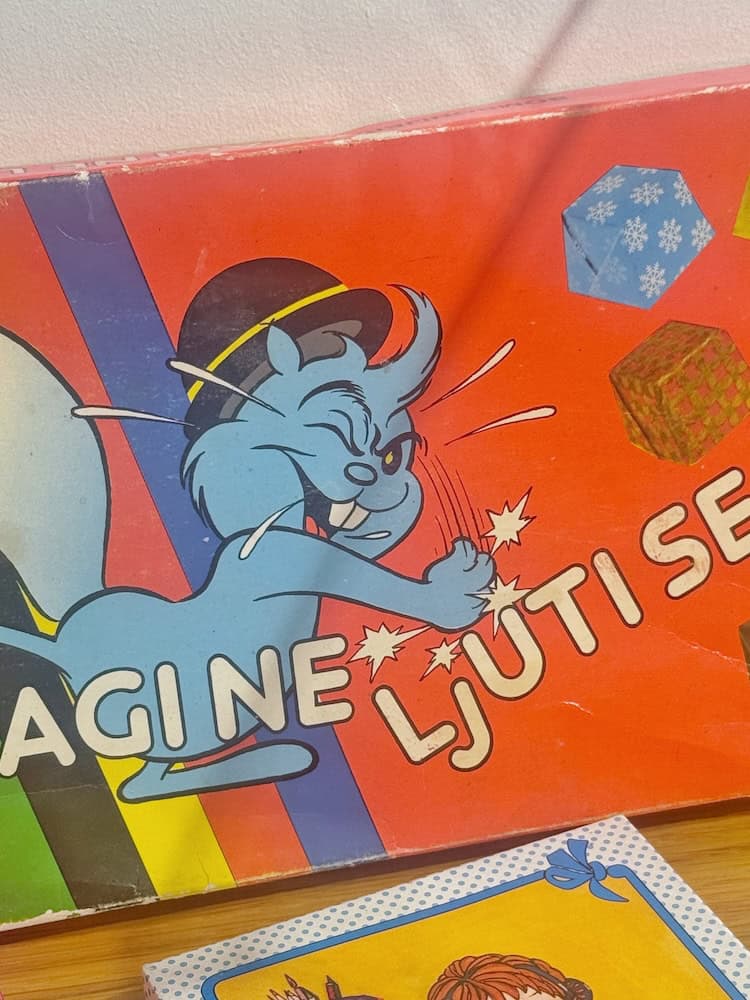
There are more modern displays in the latter parts of the museum, including unusual chocolate moulds and the idea of chocolates as gifts, plus displays of novelty chocolate boxes. Items that we all know and love!
Museum Musts
The final room is where a lot of the magic happens, seeing as that’s where you can help yourself to the chocolate dispensers using the provided spoon. Surely most visitors start out relatively polite and think, “I’ll just have a small helping”, and then find themselves going back for more. I mean, I did! All three were absolutely delicious. Just as well that I went at a not-so-busy hour!
Once you’ve finished the whole museum, do check out their chocolate products that are for sale in the shop at the museum entrance. You might think you’ve seen everything that can possibly exist when it comes to chocolate products, but the museum may make you think differently. The bags of sweet treats would even make a very suitable present for your nearest and dearest back home.
Museum of Chocolate, Zagreb – to visit or not?
Absolutely yes! A very fun, beautifully displayed museum that hits the right spot between informative and fun, with exhibits set at just the right pace. Notices are kept informative but not too long, and items range from the “wow, I never knew” to the “oh gosh, I remember these!”
The box with the savouring station chocolate items is a very inventive way of allowing guests a sample of different chocolate types. I’m sure all visitors delight in this.
The museum is an excellent way of spending a few very happy hours in Zagreb, and I’d thoroughly recommend it.
More info
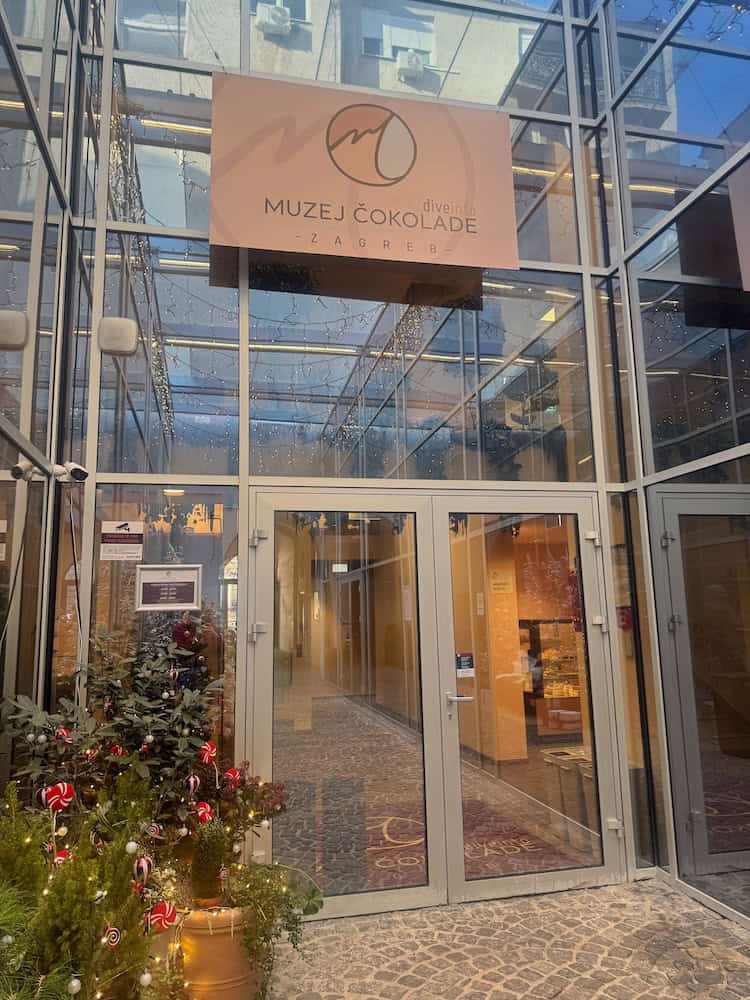
The Museum is located at 26 Gundulicev Street (Gunduliceva 26). It is open daily, on Mondays from 12:30 to 20:00, Tuesdays to Saturdays from 10:00 to 20:00 and on Sundays from 10:00 to 19:00.
Tickets cost €12 for adults and €9 for children aged 5 to 18 years. You can also purchase an audio guide for €1.50, which is now available in 16 different languages.
You can find all information about the museum on its official website: Muzej Cokolade.