
Posts

Croatia’s tourist numbers, January – August 2010

Further to my post last week on tourism numbers in Croatia, and the tweets yesterday, many Croatian media sources have reported on the most up-to-date tourism numbers or the country for 2010 so far, which were presented at a meeting on tourism in Opatija this week. Over all, it’s good news – prompting Croatian Prime Minister Jadranka Kosor, who was present at the meeting, to declare this year the best tourist season ever.

Overall figures for the year show an increase of 3% in the number of arrivals to Croatia, as well as an increase of 6% in overnight stays. (Numbers are compared to 2009’s figures.) This equates to 8.2 million tourist arrivals so far this year, and 51.7 million overnight stays.

All of the Adriatic counties have recorded increases in the number of overnight stays this year, between 4% and 12%. Dubrovnik-Neretva county has been the most successful, recording an increase of 12%. Most visitors were from Germany or Austria, whilst there was a healthy 30% increase in the number of Russian visitors – no doubt helped by the fact that Croatia suspended visa requirements for Russian citizens for the duration of the tourist season. There was, however, a rather severe drop of 13% in the number of Italian visitors.

Croatian Tourism Minister Damir Bajs also stated that every 50th tourist in Europe came to Croatia this year, whilst for the third year in a row, Croatia has been above the European average for tourism numbers.
Sources: Vjesnik, VecernjiHRT

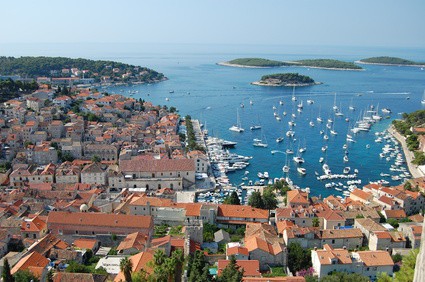
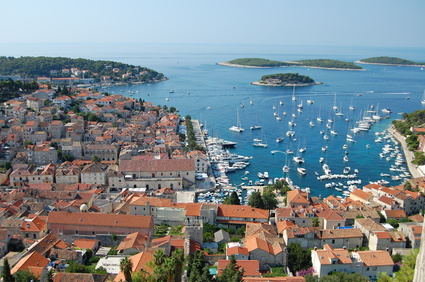
Hvar Croatia

Tourism stats for Croatia so far this year

A recent report in Croatian daily newspaper Jutarnji unveiled some interesting statistics about the tourist season so far in Croatia. As often mentioned in the press, Croatia has had a successful July and August, with tourist growth in some regions in the double digits. Dalmatia and its towns and cities – such as Zadar, Split and Dubrovnik – had the best growth, particularly in August, but areas such as Istria and Kvarner which have struggled during the year, have also seen better results during August but far less than in Dalmatia.

Looking at various destinations, Hvar Tourist Board suggests that the island achieved a rise in visitors by 15% in July 2010 to the same month the previous year, whilst figures for August should be even better. Overall, the first seven months of the year saw a rise in visitor numbers by 16%; there was a vast increase in visitors from certain countries, including 34% more from Norway and 25% more from Spain.

Hvar, Croatia
Hvar Town, on the island of Hvar

Split, however, saw a 30% increase in the number of overnight stays during July, partially due to the fact that more and more people are choosing to stay in the city itself rather than just visit on a day trip. (The average length of stay has increased to 3.5 days.) The director of the tourist office there, Vedran Matosic, stated that there was an increased amount of visitors from England, the USA, France, Spain, Australia and New Zealand.

Dubrovnik, meanwhile, achieved 1.6 million overnight stays from the beginning of the year to 26th August, which is 12% greater than last year, whilst this statistic for the month of August could be between 10-15% higher than 2009. There’s an interesting increase in visitors from Spain (up 25%), Australia (35%) and Russia (30%), with 300% more visitors from Turkey and Greece – though, of course, visitors from these countries are still comparatively low in number.

The tourist association of Rovinj says that in terms of the number of overnight stays, their July is at the same level as 2009, whilst August was 2% better than the previous year – and for the year to 27th August, the number of overnight stays has also risen by 2%. So far, they’ve achieved 2.2 million stays, with 2.65 million expected by year end. The director of tourism in Rovinj, Odeta Sapac, believes the slower growth in Rovinj than in some Dalmatian resorts is a a result of the Istrian town having already nearly reached its capacity – and given the rise in popularity of the region even soon after the war, that may well be true.

Overall, Croatia has achieved 3% more visitors and 5% more overnight stays for the first seven months of 2010. By comparison, the Jutarnji article suggests that many European countries, such as Spain, Portugal, Cyprus and Greece – are expecting a drop in the number of the visitors for the first months of this year.