
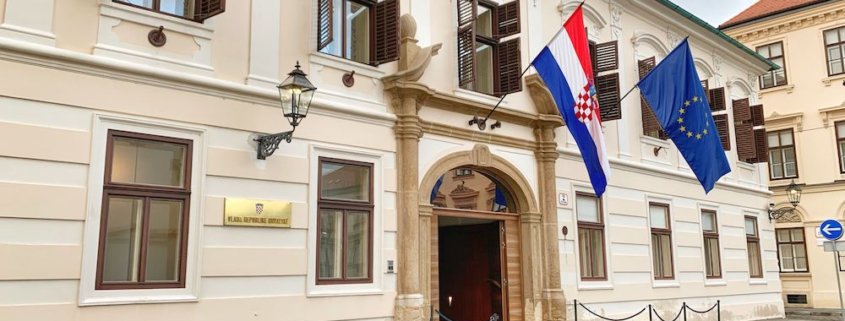
Here’s a brief round-up of Croatia today – the current political state of affairs in the country, who its leaders are, and its standing on the global stage.
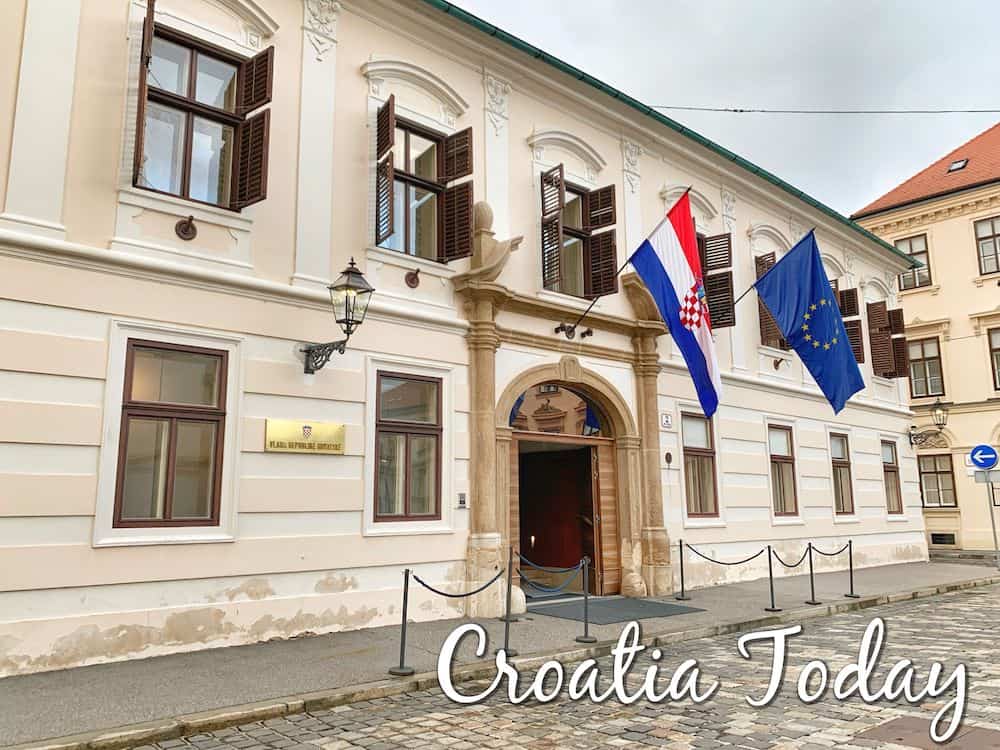
Croatia Today – The Government
Croatia is a parliamentary democracy, with the parliament (sabor) in Croatia’s capital city, Zagreb. The last general election was held in April 2024, the eleventh such election since Croatia’s independence. This time, voter turnout was up (at 62%) on the previous July 2020 election, which was understandably low (46%) due to the pandemic.
The previous ruling party, the Croatian Democratic Union (HDZ), again obtained the most seats (61), but five seats down from the previous election. The leader of the HDZ, Andrej Plenkovic, was able to form a coalition with other parties to obtain the required 76 seats for a majority. Mr Plenkovic therefore continues as Prime Minister, having first been installed in that post on 19th October 2016.
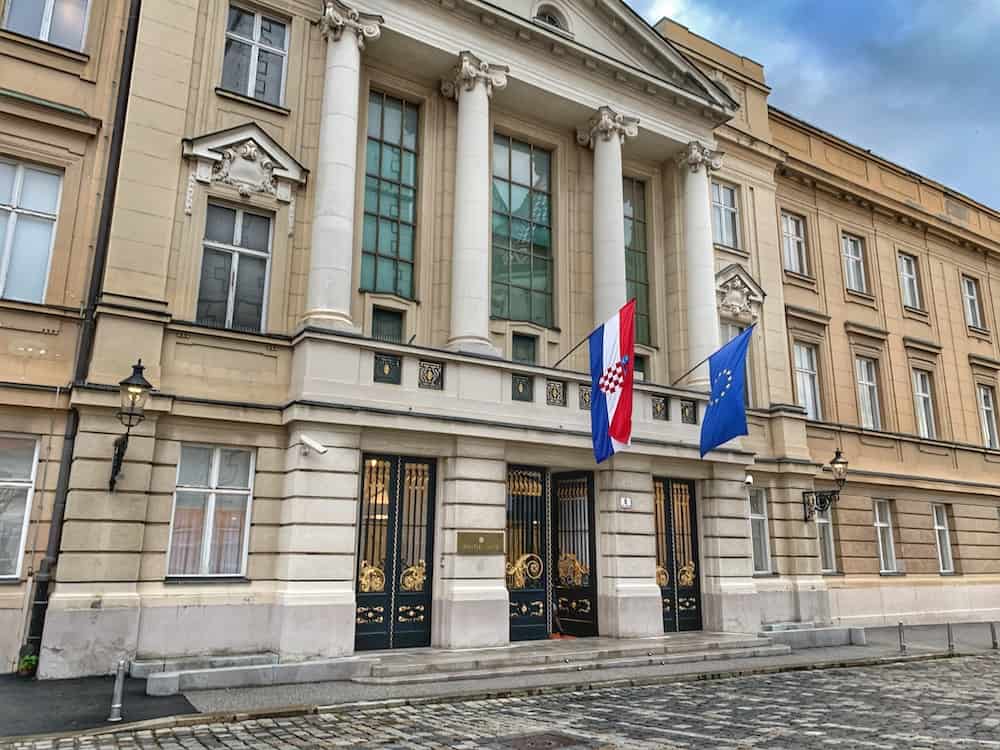
Croatia Today – The President
Presidential elections were last held in December 2024 and January 2025. As in the previous THREE sets of presidential elections in 2009/10, 2014/2015 and 2019/20, no one candidate managed to obtain more than 50% of the vote in the first round.
The top two candidates – incumbent Zoran Milanovic (Independent) and Dragan Primorac (Independent/HDZ) – went through to a second round that took place on 12th January 2025. Mr Milanovic came away as the winner, receiving 75% of the vote, winning a second term in office. Mr Milanovic had previously also served as Prime Minister of Croatia from 2011 to 2016.
You may like to read about this most recent election here: Croatian president re-elected in landslide victory (BBC News, 12th January 2025)
Croatia in NATO
The country received an invitation to join NATO in 2008 and officially became a member on 1st April 2009.
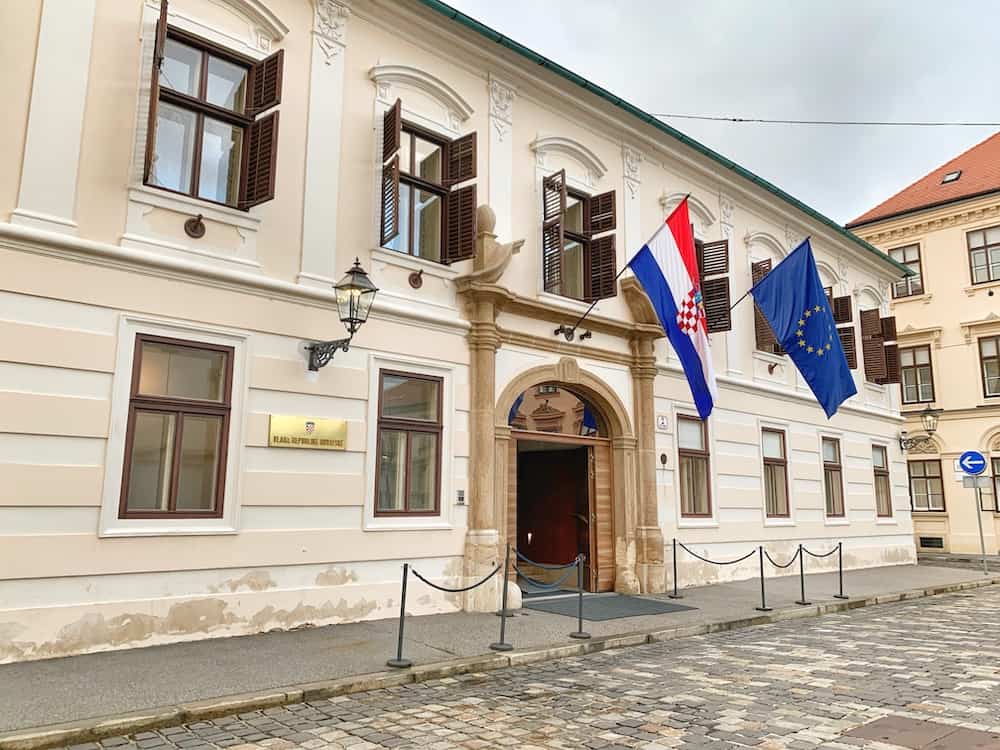
Croatia in the EU
We are pleased to say that Croatia is part of the European Union! Croatia joined the EU on 1st July 2013 after a rather lengthy entry negotiation process. (The country officially applied to be part of the EU in 2003.) Croatia also joined the Euro – and the Schengen Zone – on 1st January 2023
If you’d like to read more about the official initial stages of Croatia joining the EU (President Ivo Josipovic and outgoing Prime Minister Jadranka Kosor signed Croatia’s accession treaty to the EU on 9th December 2011), you can read about it in this BBC News article: Croatia signs treaty to join EU in middle of 2013 or from Bloomberg: Croatia Signs Up to Become EU’s 28th Member. You may also be interested in an article from earlier in 2011, when the European Commission officially recommended to the EU that it should accept Croatia: Croatia cleared for EU membership in 2013.
For some articles on Croatia’s actual entry into the EU, please see:
- Croatia celebrates on joining EU (BBC News)
- Joyous Croatia Joins Europe Amid a Crisis (The New York Times)
- Croatia joins EU amid celebrations and uncertainty about future and Croatia celebrates joining the EU – video (both from The Guardian)
- Croatia Completes Its Silent Accession (MoneyBeat, Wall Street Journal)